Could Free Bus Rides Become a Reality in Brazil? Exploring Government Proposals, Costs, and Impacts
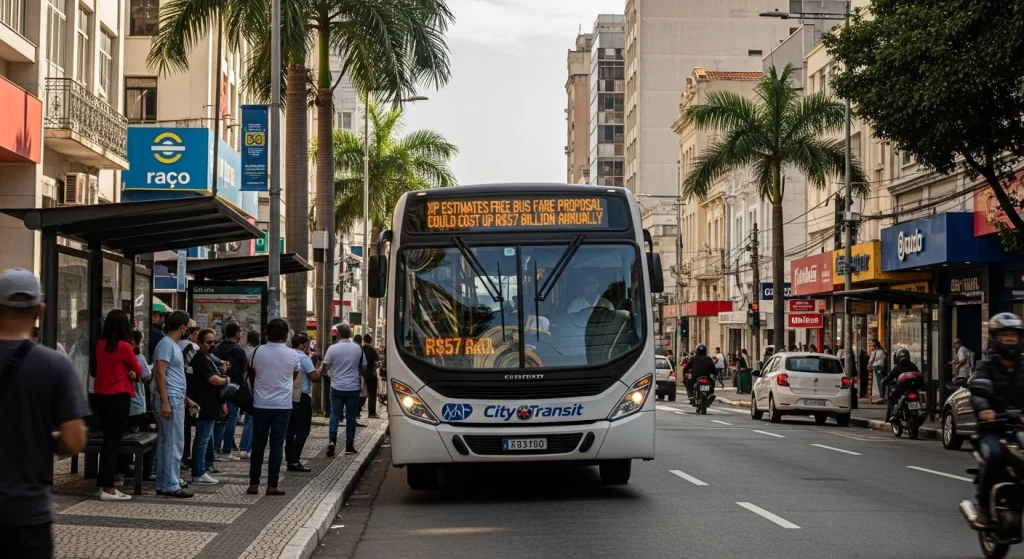
Picture this: hopping onto a city bus in São Paulo, Rio de Janeiro, or any other major metropolis in Brazil—without having to reach for your wallet. This concept, of fare-free public transportation, could soon take a big step forward, as the Brazilian government explores options to reduce or even eliminate bus fares nationwide. President Luiz Inácio Lula da Silva has reignited discussion of this transformative policy, which experts believe could revolutionize urban mobility, improve social equity, and shake up the nation’s transportation funding model.
In this article, we break down what’s being considered, analyze the costs, and explain what the proposed changes could mean for Brazilians—and for international observers intrigued by large-scale public transport reform.
A Renewed Drive for Fare-Free Transit
Brazil’s federal government is currently examining pathways to reduce, or entirely scrap, bus fares. This move is in response to renewed interest from President Luiz Inácio Lula da Silva, who has asked advisors to revisit a concept developed back in 2012 by current Finance Minister, Fernando Haddad, during his tenure as São Paulo’s mayor. At that time, the proposed zero-fare initiative was designed to avoid increasing the federal budget deficit—a major concern for fiscal policymakers.
While the specifics are still in flux, information from Valor Econômico, one of Brazil’s leading financial newspapers, indicates that the current administration is eyeing two main possibilities:
- Full-time fare exemption: Free bus rides every day of the week.
- Partial fare exemption: Free rides only on weekends, or just Sundays, when fewer people use the service.
Crunching the Numbers: What Would It Cost?
Estimating Nationwide Subsidies
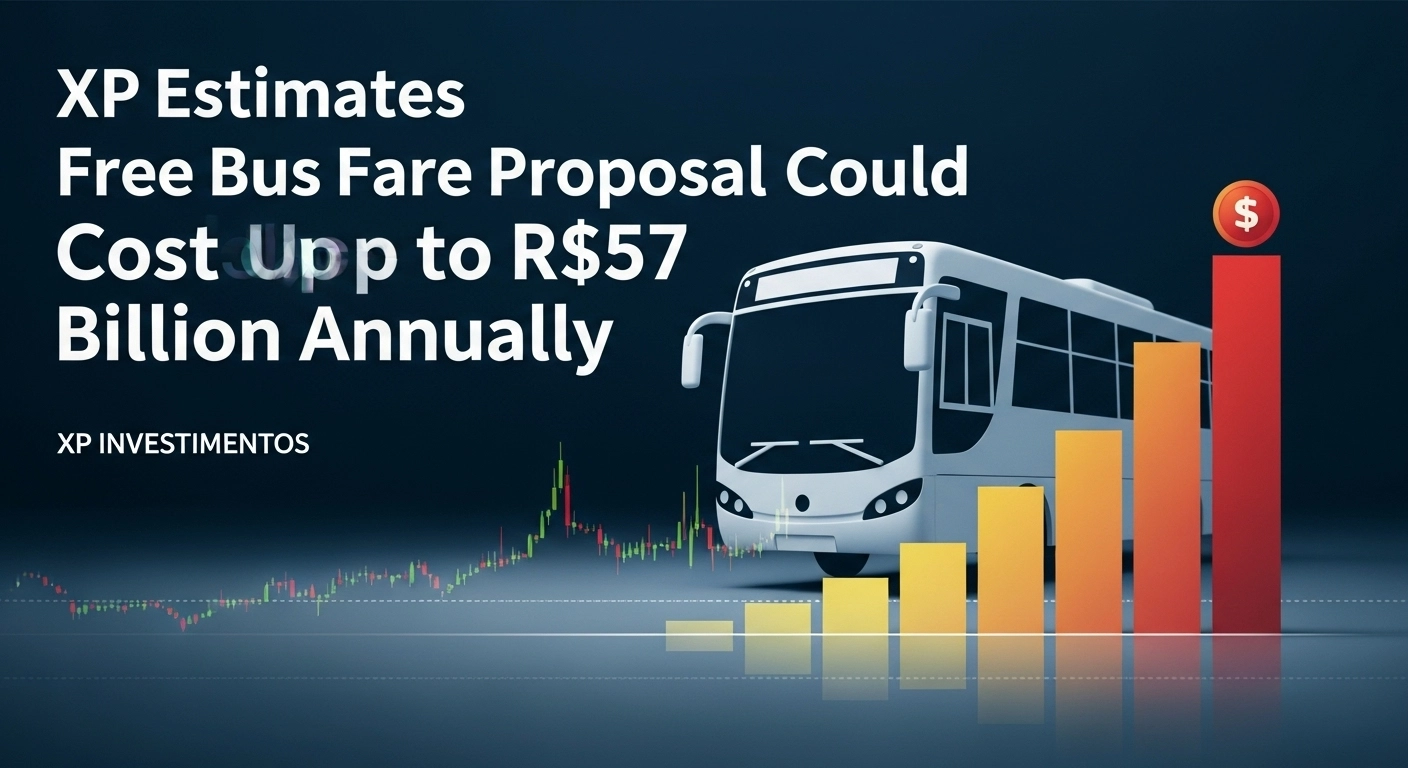
Tiago Sbardelotto, an economist at XP Investments, shared insights on the possible financial impact of these options. Preliminary estimates suggest that a full subsidy—making all bus rides free nationwide—could cost up to R$57 billion (about $11.3 billion USD at current rates) annually.
Key Cost Scenarios (Five Major Cities Annually):
- Full Week (Every Day): R$14.2 billion
- Weekends Only: R$3 billion
- Sundays Only: R$1.4 billion
Here’s the breakdown by city:
| City | Every Day (R$B) | Weekends (R$B) | Sundays (R$B) |
|---|---|---|---|
| São Paulo | 7.98 | 1.67 | 0.82 |
| Rio de Janeiro | 2.35 | 0.55 | 0.23 |
| Belo Horizonte | 1.37 | 0.29 | 0.14 |
| Curitiba | 1.21 | 0.18 | 0.07 |
| Brasília | 1.25 | 0.26 | 0.13 |
| Total | 14.16 | 2.95 | 1.38 |
Source: XP Investments
Extrapolating these numbers to the entire country:
- Nationwide (Every Day): R$57 billion
- Nationwide (Weekends): R$11.8 billion
- Nationwide (Sundays): R$5.5 billion
Note: These figures are rough estimates, as actual costs in smaller cities may be lower due to simpler transit systems.
How Bus Operations Affect the Bottom Line
Cost Structure Insight
A key finding from the XP study is that the total cost of running buses depends more on the distance traveled (kilometers driven) rather than the number of passengers. That means even if more riders board the bus, operating expenses (fuel, driver salaries, maintenance) stay largely the same, except for some small variations in fuel usage. As a result, the per-passenger cost spikes sharply on weekends or Sundays when ridership drops, but buses run similar routes—making free rides on those days more expensive, per user, than during the week.
Current Subsidies and Local Impact
City governments already foot a considerable portion of the urban bus bill. In 2024, municipal subsidies covered, on average, 32% of operational costs. Some cities subsidize even more:
- Brasília: 75%
- Goiânia: 66%
- Manaus: 60%
- São Paulo: 58%
If the federal government steps in to fully fund fare-free transit, it’ll likely send additional resources to local governments. However, it’s unclear if federal support would replace or simply add to existing municipal subsidies.
Can Brazil Afford Universal Free Bus Rides?
While the vision is exciting, experts caution that budget realities must not be ignored. Sbardelotto notes that Brazil’s federal fiscal space is already constrained. The 2026 national budget anticipates growing commitments to social security, welfare, and new initiatives like the Pé-de-Meia and gas voucher programs. Even if new revenue sources arise (such as increased fuel taxes), there’s limited room left under Brazil’s spending cap.
Key Takeaways
Here are the most important points from this analysis:
- Brazil’s president is considering new measures to eliminate or reduce bus fares nationwide.
- Full fare exemption could cost as much as R$57 billion per year; even partial exemptions are significant.
- Most bus transit costs depend on distance traveled, not ridership, complicating subsidy calculations.
- Municipalities already provide sizable subsidies, but federal involvement could both help and challenge local budgets.
- Fiscal constraints and competing priorities make nationwide free transit a tough—but not impossible—proposition.
The Road Ahead: What Will Happen Next?
Fare-free public transit has the potential to transform urban life in Brazil, making transportation equitable, accessible, and sustainable. Yet, turning this idea into reality demands careful financial planning. Will the benefits—improved mobility, reduced inequality, greener cities—outweigh the budgetary hurdles? That’s the big question Brazilian leaders must wrestle with.
If you want to learn more about ongoing developments or see how other cities around the world have navigated fare-free transit policies, stay tuned. Now is an excellent time to engage with these debates, share your opinion, and watch as Brazil charts a path that could inspire public transportation reforms everywhere.

Empowering you to master your money with confidence and clarity. On this channel, we break down personal finance—from budgeting basics and saving smarter to debt-free strategies and practical investing—all in easy-to-understand language.
Expect weekly deep dives into real-life financial questions, step-by-step tutorials, and expert insights that make money topics approachable and actionable. Whether you’re building emergency savings, paying off loans, or planning for the future, you’re in the right place to get informed, empowered, and financially confident.