
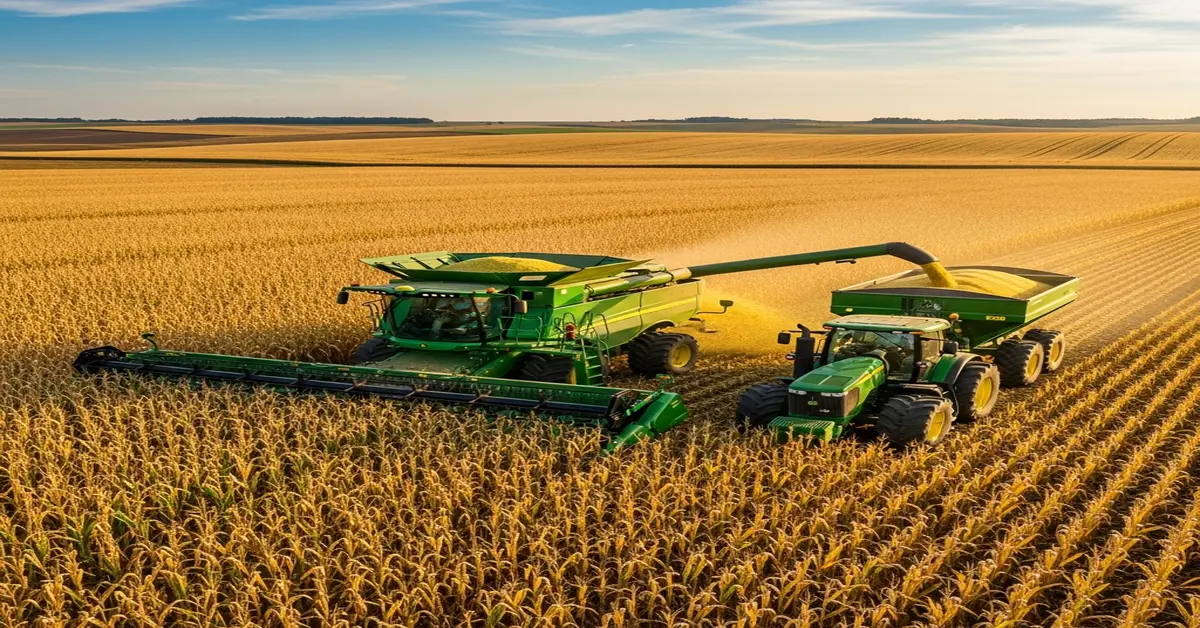
Agriculture is often described as the backbone of the American heartland — and for good reason. In 2025, the United States has delivered a remarkable feat in grain production, with corn and soybean harvests reaching record-breaking volumes.

Photo by dusanpetkovic/Getty Images
U.S. Corn and Soybean Production Soar to Historic Highs in 2025: What It Means for Farmers and the Global Market
While these numbers offer promise for food supply chains and industries relying on grain, the gains come with a new set of challenges for American farmers. From high input costs to uncertain commodity prices, the landscape is evolving, and understanding these shifts is crucial for everyone from producers to consumers.
Unprecedented Corn Acreage Since 1933
According to a recent report from the U.S. Department of Agriculture (USDA), American farmers are set to harvest the largest area of corn since 1933, dramatically increasing grain production across the country. The July 12th USDA supply and demand update highlighted that more acres than previously expected will be harvested this season—a jump that exceeded even the rosiest market predictions after a stunning surge in planting in August.
This bumper crop is a double-edged sword. While increased supply bodes well for livestock feed and the biofuel industry, it also puts downward pressure on grain prices at a time when farmers are struggling with mounting expenses for essentials like fertilizers and seeds.
The Numbers: Breaking Down the 2025 Corn Harvest
The latest USDA report estimated 2025 U.S. corn output at a record 16.814 billion bushels, surpassing last month’s projection of 16.742 billion. While the total harvest is higher, the all-important yield-per-acre figure slipped slightly—from August’s 188.8 bushels per acre (bpa) to 186.7 bpa, reflecting late-season stress from patchy droughts and outbreaks of crop disease.
For context, market analysts polled by Reuters had anticipated the USDA might cut its production target even further, to 16.516 billion bushels, and lower the yield estimate to 186.2 bpa. Favorable weather early in the season had lifted hopes for an even stronger harvest before late-season climate challenges dampened those prospects.
Key Corn Production Statistics
- Total U.S. corn production (2025): 16.814 billion bushels
- Corn yield per acre: 186.7 bushels (down from 188.8 bpa in August)
- Largest corn harvest area since: 1933
Soybean Output Also Edges Higher
The fortunes of soybean growers mirror the corn story. The USDA projected U.S. soybean yields for 2025 at 53.5 bushels per acre—a hair beneath August’s 53.6 but still robust. Total production is set at 4.301 billion bushels, slightly improved over last month’s 4.292 billion, thanks in part to the expanded harvested acreage.
Analysts had expected a deeper cut in soybean yields to 53.3 bpa and a smaller total output of 4.271 billion bushels, but the generous acreage offset modest yield declines.
Surplus Grains: Boon for Some, Strain for Others
What does this bountiful harvest mean for the wider economy?
On one hand, increased grain supplies benefit the livestock and ethanol industries, helping stabilize feed prices and support alternative energy production. On the other, farmers themselves face tougher market conditions. The USDA now projects U.S. crop revenues to fall for the third consecutive year, hitting their lowest inflation-adjusted point since 2007. This trend is prompted by both sustained low crop prices and rising costs for ag inputs, placing many growers in a financial pinch despite the record crop sizes.
Weather and Disease: Wildcards in Yield Potential
Agricultural production is always at the mercy of the elements, and 2025 was no exception. Favorable weather for much of the season led to swelling yield estimates, but late in the game, some regions suffered from drought and spotty diseases that curtailed results. This unpredictability left analysts revising their forecasts, and reminded everyone that even the most high-tech operations remain vulnerable to Mother Nature.
What’s Next for U.S. Agriculture?
Farmers, industry players, and policymakers are now watching the global market closely. With abundant supply, American grain exporters could see expanded opportunities, but domestic producers will remain vigilant about their costs and profit margins.
Key Takeaways
- Record Corn Acreage and Production: The U.S. will harvest the largest corn area since 1933, with total production hitting new highs.
- Grain Surpluses Benefit Industry: Sectors like livestock and ethanol stand to gain from falling feed prices and abundant supply.
- Profit Pressure for Farmers: Lower grain prices and soaring input costs are combining to reduce farm incomes for the third year in a row.
- Yield Impacted by Weather and Disease: Despite early promise, late-season droughts and crop diseases trimmed per-acre yields.
- Soybean Production Increases: Increased harvested acreage pushed soybean output slightly higher, even as yield per acre edged down.
Conclusion: Navigating a New Era in American Farming
The 2025 grain harvest underscores both the remarkable productivity and the persistent challenges faced by U.S. agriculture. As American corn and soybean fields hit historic highs, the story is far from simple: record output coexists with economic pressures and environmental uncertainties.

Empowering you to master your money with confidence and clarity. On this channel, we break down personal finance—from budgeting basics and saving smarter to debt-free strategies and practical investing—all in easy-to-understand language.
Expect weekly deep dives into real-life financial questions, step-by-step tutorials, and expert insights that make money topics approachable and actionable. Whether you’re building emergency savings, paying off loans, or planning for the future, you’re in the right place to get informed, empowered, and financially confident.