UK Could Face 100% Tariff on Pharmaceuticals, Sources Say
When headlines start shouting about 100% tariffs, it’s time for every American paying attention to perk up—especially if you rely on imported medications. Recently, President Donald Trump made waves by announcing a sweeping 100% tariff on pharmaceuticals imported from the United Kingdom. While global trade disputes are nothing new, this move stands to reshape not only business strategies but also healthcare costs for millions of Americans. So, what’s really at stake here, and how did we get to this point?
The Announcement: A Big Move Against Foreign Drug Imports
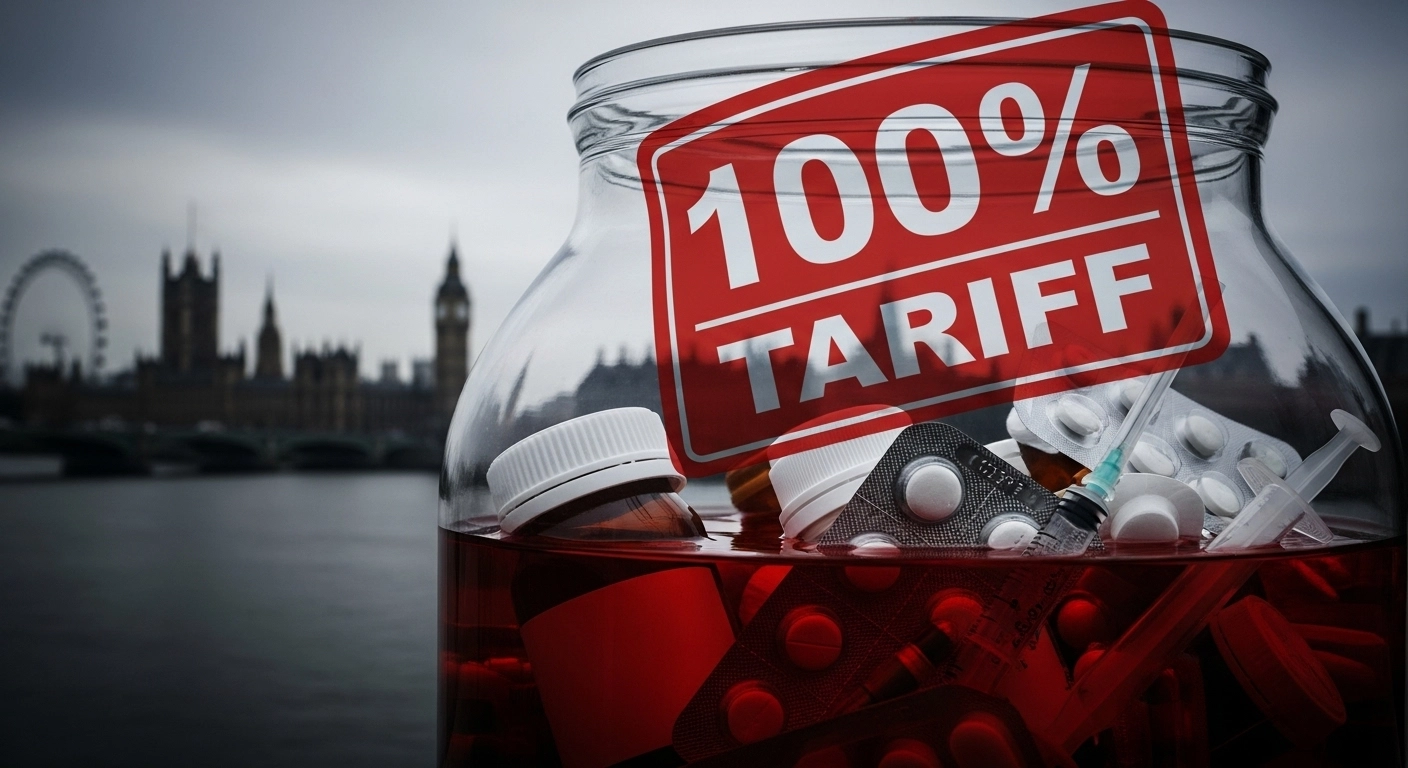
On Thursday, President Trump revealed plans to slap a 100% tariff on UK pharmaceuticals. According to Reuters, unless a company manufactures their products within the United States, they will face this steep import tax. The message is clear: Trump’s administration wants to incentivize pharmaceutical manufacturing on American soil and limit reliance on foreign supply chains.
But there’s an interesting twist. The European Union (EU) and Japan managed to sidestep this threat. Both regions negotiated trade arrangements with the U.S., capping pharmaceutical tariffs at just 15%—a far cry from the hefty rate now being aimed at the UK. As for the United Kingdom, even though it was the first country to strike a trade deal with Trump, its pharmaceutical sector isn’t in the clear—the finer points of this industry’s tariffs are still up for negotiation.
Why the UK—and Why Now?
Sources told Reuters that while other allies were busy finalizing agreements to protect their key sectors, the UK’s negotiations on pharma tariffs were still ongoing. That means, despite a new bilateral deal, British-made medicines risk being hit with high tariffs entering the American market.
So, why is Washington ramping up pressure now? The answer lies in a growing political emphasis on domestic manufacturing and supply chain resilience—especially after global disruptions revealed during recent years. Washington’s new policy is aimed at reducing dependence on international sources for critical products like medications, positioning American factories and workers front-and-center.
How Big Is the Pharmaceutical Trade Between the US and UK?
It’s important to understand the numbers before drawing conclusions. In 2024, pharmaceutical imports from the UK made up about 3.3% of all American pharmaceutical imports.[^1] While that might sound like a small slice of the market, it represents billions of dollars and a significant footprint in essential medications for U.S. patients. Any disruption in this channel could have real-world consequences in terms of availability and cost.
[^1]: U.S. trade data, 2024.
Global Comparisons: The Advantage of the EU and Japan
Why are the European Union and Japan exempt from the 100% tariff? Simple: both regions secured trade arrangements with the United States that cap pharmaceutical tariffs at 15%. These agreements ensure their products remain competitive, protect their industries from market shocks, and shield U.S. consumers from sudden price hikes.
For the United Kingdom, however, the absence of similar protections could mean skyrocketing costs for imported British medicines in the U.S. until a new agreement is reached.
What’s the Bigger Picture? U.S. Policy Prioritizes Domestic Production
Trump’s latest moves are part of a broader campaign to “nationalize” pharmaceutical production. By making foreign imports more expensive, the administration hopes to nudge pharmaceutical companies to move—or expand—their manufacturing capabilities within the U.S. This, in theory, should:
- Bolster national security by securing the drug supply chain.
- Create more American jobs in pharmaceutical manufacturing.
- Reduce future disruptions from global crises or conflicts.
- Encourage innovation and investment inside the U.S.
But there’s a potential downside for American consumers: higher prices and possible shortages if supply from the U.K. is restricted before domestic production ramps up.
What Does This Mean for Americans?
Let’s break down the key potential impacts:
1. Medication Prices May Rise
With a 100% tariff, U.K.-made drugs could double in price for U.S. importers, costs that may be passed onto pharmacies and ultimately patients.
2. Supply Chain Adjustments
Pharmaceutical companies may accelerate plans to open or expand U.S. manufacturing facilities, but such transitions take time.
3. Negotiation Leverage
The tariff serves as a strong negotiating tool, pressuring the U.K. to agree to terms similar to those secured by the EU and Japan.
4. Market Uncertainty
Until new terms are officially hammered out, businesses and consumers must brace for shifting prices and availability.
5. Potential for Retaliation
Trade disputes can escalate—there’s always a risk the U.K. might retaliate with its own tariffs, impacting other industries.
Key Takeaways: What You Need to Know
Here are the top points to remember from this evolving story:
- Trump’s administration plans a 100% tariff on UK pharmaceutical imports unless drugs are made in the U.S.
- The EU and Japan are protected by trade deals that cap similar tariffs at 15%.
- Britain’s ongoing tariff negotiations mean its pharmaceutical industry remains exposed.
- UK drug imports make up about 3.3% of total U.S. pharmaceutical imports, representing a significant supply.
- The policy aims to boost domestic drug production but could lead to higher prices in the short term.
Conclusion: Watch This Space—Stay Informed and Be Ready to Act
As the U.S. government pursues bold new tactics in international trade, the ripple effect will be felt across both industries and households. For now, the smart move is to stay informed—and if you depend on particular medications, monitor pricing and availability in coming weeks. Meanwhile, policymakers continue their negotiations, weighing national interests against the real-world challenges faced by patients and healthcare providers.
Want to learn more about how these policy shifts can impact your wallet or your health? Check out in-depth coverage from Reuters.
Ready for more updates on global trade, healthcare, or political developments? Stay tuned—these stories are just getting started, and your awareness is your best defense.

Empowering you to master your money with confidence and clarity. On this channel, we break down personal finance—from budgeting basics and saving smarter to debt-free strategies and practical investing—all in easy-to-understand language.
Expect weekly deep dives into real-life financial questions, step-by-step tutorials, and expert insights that make money topics approachable and actionable. Whether you’re building emergency savings, paying off loans, or planning for the future, you’re in the right place to get informed, empowered, and financially confident.