
How Trump’s 50% Tariff Is Impacting Brazil’s Wood Product Industry—and What It Means for American Consumers
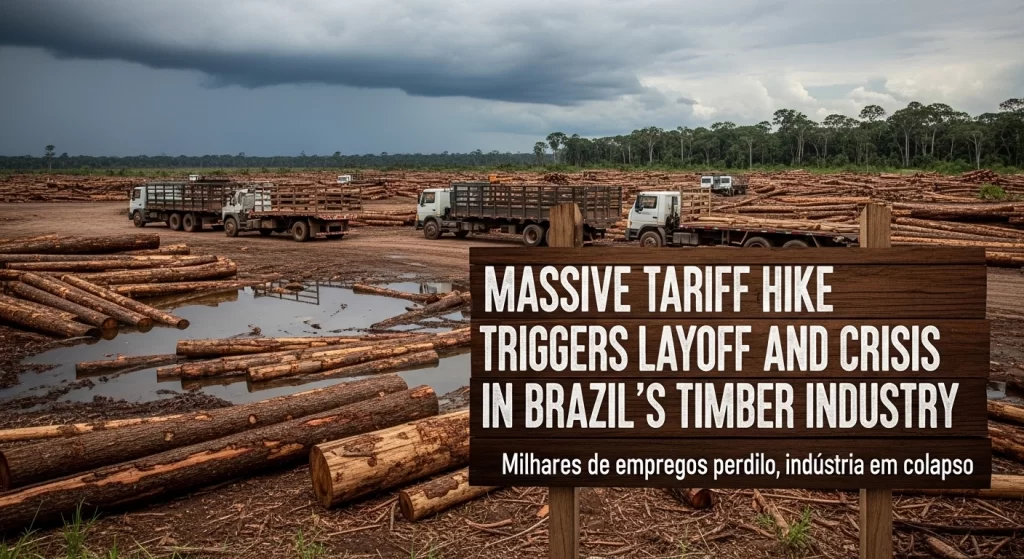
Imagine waking up to find that your top customer just made your products 50% more expensive overnight. That’s exactly what Brazilian wood manufacturers are facing in 2024 thanks to a steep new tariff imposed by the United States. The ripple effect has been swift and severe—not just for businesses in Brazil, but potentially for American homeowners, builders, and everyone in between.
Below, we’ll explore the real-world consequences of these tariffs, what’s happening to Brazil’s workforce, and how it may affect the supply (and price) of wood products right here in the U.S. Whether you’re a contractor, a DIY enthusiast, or just interested in global economics, this deep dive will keep you informed—and hopefully, a little more prepared.
The Sudden Shock: 50% Tariff Changes the Game for Brazilian Wood Exports
On July 2024, a sweeping 50% tariff—established by the administration of former President Donald Trump—hit Brazilian exports of wood products to the U.S. practically overnight. This policy targeted a range of products, including:
- Picture frames
- Carpentry components
- Processed lumber and plywood
- Wood flooring and pellets
Historically, the U.S. has been the primary market for these items, with some manufacturers depending on America for 100% of their sales. According to the Associação Brasileira da Indústria de Madeira Processada Mecanicamente (Abimci), this abrupt change left companies scrambling—and workers bearing the brunt.
A Drastic Toll on Jobs and Communities
The fallout was immediate and painful. Just a month and a week after the tariff came into effect:
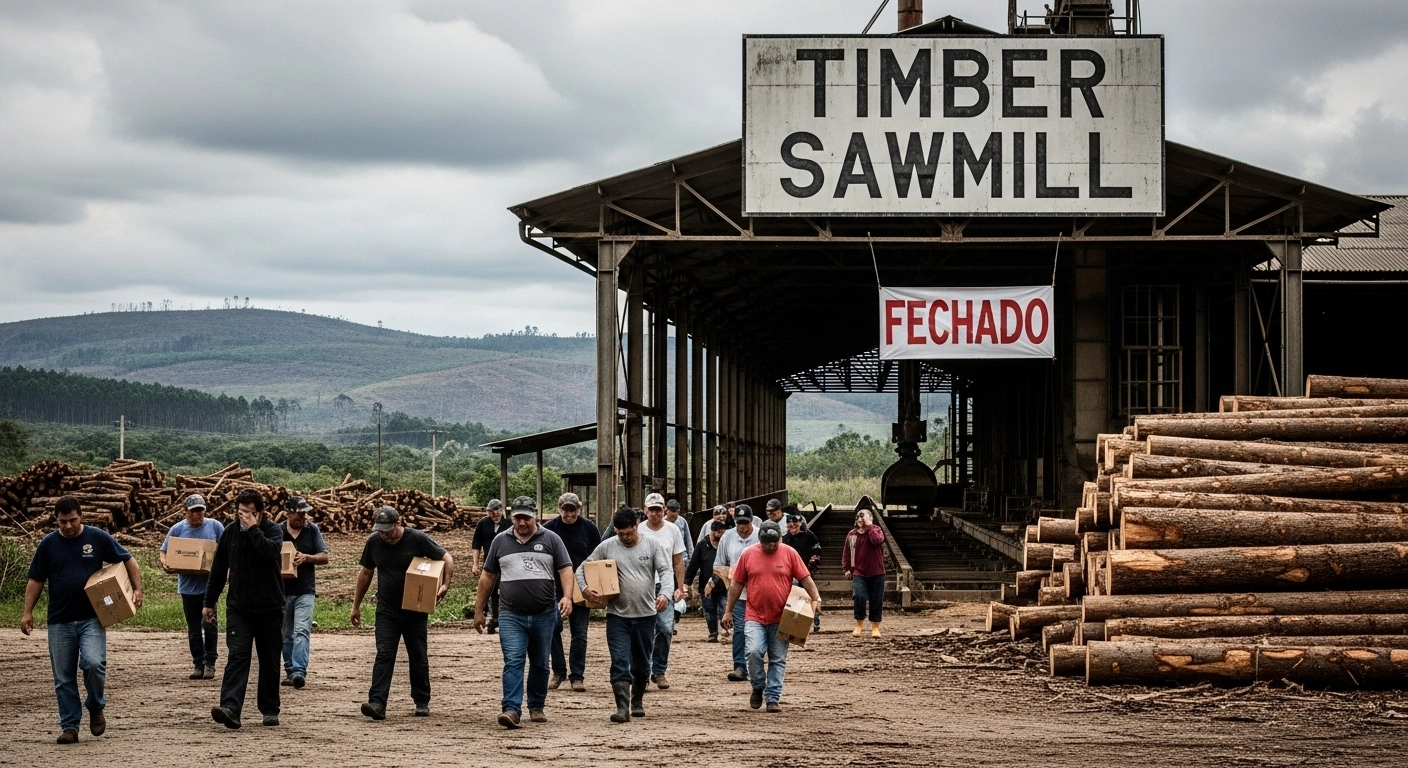
- 4,000 workers had been laid off
- 5,500 employees put on collective vacation
- 1,100 contracts temporarily suspended
These numbers are not mere statistics—they represent families, entire communities, and local economies in Brazil’s southern states like Paraná and Santa Catarina, where small towns often depend on wood processing plants for work.
Abimci’s warning: If the current tariff remains in place, an additional 4,500 jobs could be lost within the next two months.
Key Points: The Impact in Numbers
Here are the critical data and facts to know:
- 4,000 layoffs, 5,500 collective vacations, and 1,100 contract suspensions have already occurred.
- The sector directly employs 180,000 people in Brazil—most at risk are in small, rural municipalities.
- U.S. buyers typically account for 50% of all Brazilian processed wood exports—rising to 100% for specific products.
- Exports of processed wood to the U.S. in August plunged by 35% to 50% compared to July.
- Without urgent action, there could be 4,500+ additional job losses in the next 60 days.
Export Plunge: What’s Happening to Wood Shipments?
The impact of the tariff was almost instant. Industry contracts signed in July were quickly canceled following the U.S. announcement. Shipments in progress were halted. Companies stopped closing new deals as buyers hesitated to absorb the extra 50% cost.
In August 2024 alone, Brazilian exports of processed wood to the U.S.—covering products like veneered plywood, door frames, sawn timber for fences, pellets, and flooring—dropped dramatically, between 35% and 50% from the previous month, according to Abimci.
To put things in perspective: Last year, U.S. companies imported $1.6 billion worth of engineered wood products from Brazil. The American housing and construction industries rely heavily on these imports for everything from affordable door and window frames to sturdy hardwood subfloors and decorative moldings.
Industry’s Plea: Seeking Urgent Negotiation from Brazil’s Leaders
Paulo Pupo, Abimci’s superintendent, has been lobbying on Capitol Hill in Brazil, urging the federal government to prioritize tariff negotiations. Meetings with Brazil’s Minister of Industry and Commerce, Geraldo Alckmin, have been described as cordial, but so far no substantial actions have materialized.
Pupo stresses that such high-stakes international matters are the government’s responsibility, not just the industry’s. Only federal intervention, he argues, can halt the avalanche of job cuts now cascading through Brazil’s heartland.
Why Should Americans Care? The Price Tag for U.S. Consumers
These developments aren’t just a distant problem for Brazilian workers; they may soon impact prices and supply on American shelves. With half the Brazilian industry’s output destined for the U.S.—and even more for specific categories—American companies face higher costs or potential shortages for:
- Door frames and window moldings
- Specialty plywood and construction lumber
- Wood pellets for heating
- Prefinished flooring
With reduced imports, prices for these items may rise, driving up costs for builders, contractors, and homeowners, including those planning renovations or new construction projects.
Take Action: Stay Informed and Advocate for Fair Trade
The cascading fallout from the U.S. tariff on Brazilian wood products underscores our interconnected economies—and the ways in which policy can reverberate far beyond politicians’ intentions.
If you work in construction, home improvement, or even retail, now’s the time to stay alert and informed about potential shortages or price increases. For advocates and businesses, raising public awareness and encouraging policymakers to seek fair, mutually beneficial trade agreements could help safeguard jobs on both sides of the equator.

Empowering you to master your money with confidence and clarity. On this channel, we break down personal finance—from budgeting basics and saving smarter to debt-free strategies and practical investing—all in easy-to-understand language.
Expect weekly deep dives into real-life financial questions, step-by-step tutorials, and expert insights that make money topics approachable and actionable. Whether you’re building emergency savings, paying off loans, or planning for the future, you’re in the right place to get informed, empowered, and financially confident.