
“`json
{
"title": "Federal Reserve Director Warns Restrictive Policy Could Cost Jobs, Cites Stable Prices and Housing Inflation Concerns",
"subtitle": "Stephen Miran of the Fed advocates for a less restrictive monetary policy, arguing current conditions don't warrant continued tightness.",
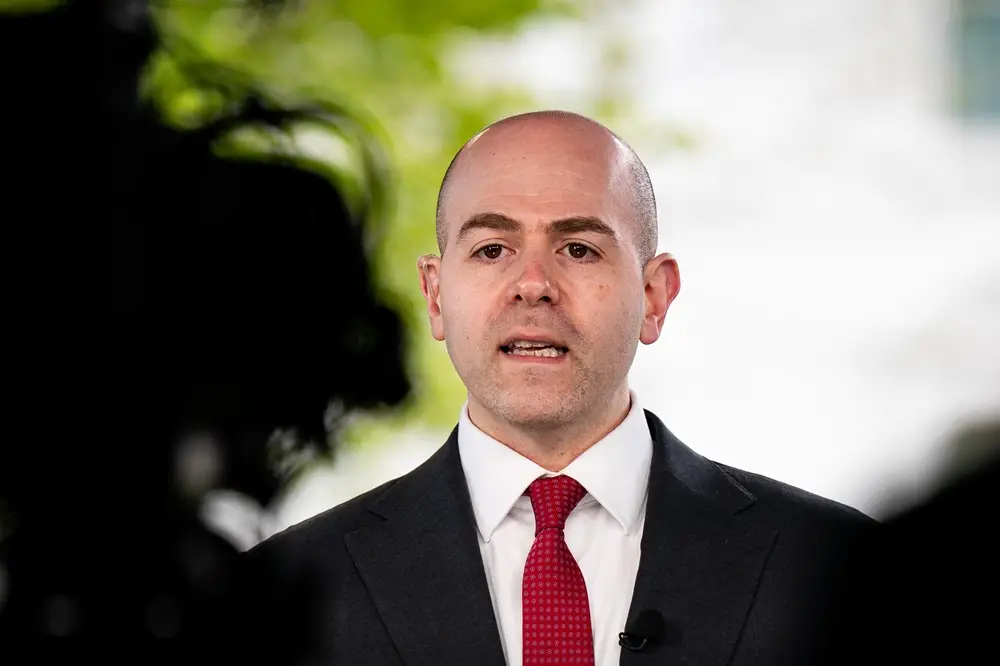
"content_html": "<p>Stephen Miran, a director at the Federal Reserve (Fed), has voiced concerns that maintaining an "unnecessarily restrictive" monetary policy could lead to job losses. He believes that current economic indicators, particularly stable prices, warrant a shift towards a more accommodating stance.</p><p>Miran, who voted for a 50-basis-point rate cut in December, emphasized that the price environment has stabilized, even if at higher levels than before the pandemic. He feels the Fed's monetary policy should now reflect this newfound stability.</p><p>His remarks, prepared for a Columbia University event discussing inflation outlooks, suggest a divergence in views within the central bank regarding the appropriate path forward. The director's stance is that a quicker easing of monetary policies would better align the Fed with a neutral position. This information was reported by Estadão Conteúdo.</p><h3>Advocating for a Policy Shift</h3><p>Miran suggested that a more accelerated pace of monetary policy easing would appropriately move the U.S. central bank closer to a neutral stance. He has been a proponent of this more dovish approach, believing it aligns better with the current economic reality.</p><h3>Addressing Housing Inflation and Underlying Trends</h3><p>Regarding the persistent issue of housing inflation, Miran pointed to past supply and demand imbalances as the primary drivers, rather than current economic conditions. He anticipates a more significant decline in PCE inflation within the housing sector.</p><p>Furthermore, Miran suggested that if one were to exclude housing figures and consider other market factors, the underlying inflation rate would be below 2.3%. This figure, he noted, falls within the Fed's "margin of error for the target," indicating a level of comfort with its trajectory.</p><h3>Tariffs and Goods Prices</h3><p>The Fed director also addressed the debate surrounding tariffs and their impact on essential goods prices. Miran stated that the evidence linking tariffs to recent price increases is "contradictory."</p><p>He reasoned that if tariffs were the main culprit behind inflation, one would expect to see substantially higher inflation in essential goods that heavily rely on imports. Miran concluded that there are reasons to be optimistic about the outlook for goods prices, implying that other factors are at play.</p>"
}
“`

Empowering you to master your money with confidence and clarity. On this channel, we break down personal finance—from budgeting basics and saving smarter to debt-free strategies and practical investing—all in easy-to-understand language.
Expect weekly deep dives into real-life financial questions, step-by-step tutorials, and expert insights that make money topics approachable and actionable. Whether you’re building emergency savings, paying off loans, or planning for the future, you’re in the right place to get informed, empowered, and financially confident.