Libya’s Oil Production Surges to a 10-Year Peak, What This Means for Global Energy Markets
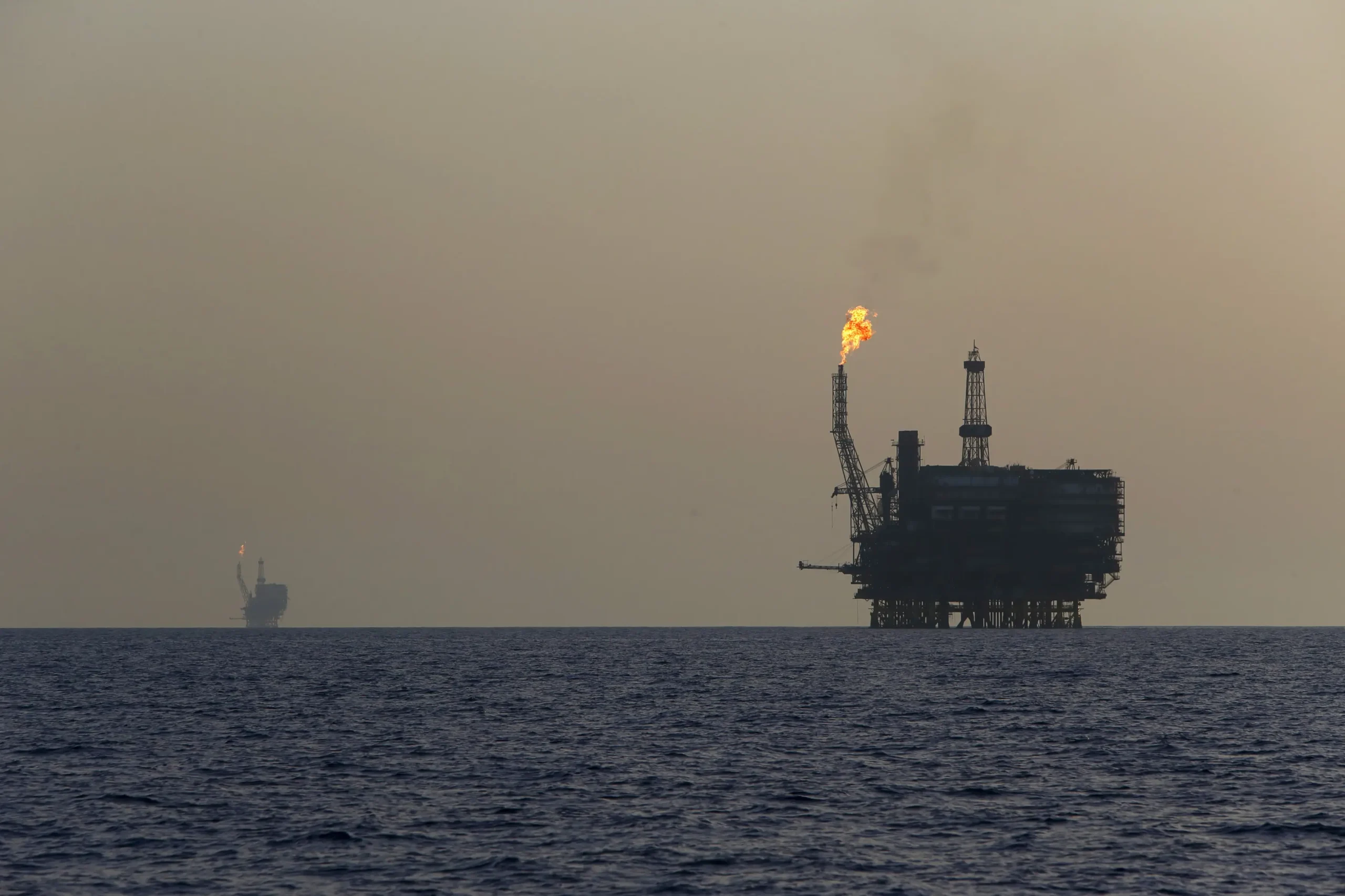
The global energy landscape is constantly shifting, and recent developments in North Africa are capturing the attention of investors and policymakers alike. Libya, a nation with vast oil reserves, has announced a significant milestone in its energy sector: oil production has reached its highest level in over a decade.
This remarkable surge in output, reported at approximately 1.43 million barrels per day, signifies a potential turning point for Libya’s economy, which has long been challenged by political instability. The news, disseminated by the National Oil Corporation and reported by the Tripoli-based Government of National Unity’s media platform, underscores a period of relative stability that has allowed for increased operational capacity.
This development is not merely a domestic achievement; it has far-reaching implications for the international oil market, influencing supply dynamics, price fluctuations, and investment strategies. As the world navigates complex geopolitical currents and the ongoing transition to cleaner energy sources, understanding the factors driving Libya’s renewed oil production is crucial for informed financial and economic decision-making.
The Economic Significance of Libya’s Oil Resurgence
Libya’s economy is heavily reliant on its oil and gas sector, which accounts for the vast majority of its export earnings and government revenue. The sustained increase in oil production directly translates to a substantial boost in foreign currency reserves, providing the government with greater financial capacity to fund essential public services, infrastructure projects, and economic diversification initiatives. This influx of capital can be a powerful catalyst for **economic growth** and **poverty reduction**.
Furthermore, a more robust oil sector can attract foreign investment. International energy companies, often deterred by past instability, may see the current production surge as a sign of improved security and operational predictability. This could lead to renewed interest in exploration and development projects, further enhancing Libya’s long-term energy potential. Such investments are vital for job creation and the transfer of technology and expertise.
The increased revenue stream also offers an opportunity for Libya to address its significant **infrastructure deficits**. Decades of underinvestment, exacerbated by conflict, have left much of the nation’s infrastructure in disrepair. Enhanced oil revenues can be channeled into rebuilding and modernizing critical assets like power grids, transportation networks, and water systems, which are fundamental for sustainable development and improving the quality of life for its citizens.
Impact on Global Oil Markets and Geopolitics
Libya’s increased oil output has a direct impact on the global **oil supply** and, consequently, on international **oil prices**. As a member of the Organization of the Petroleum Exporting Countries (OPEC), Libya’s production levels are closely monitored. While Libya has historically been exempt from certain OPEC production quotas due to its internal challenges, its increased capacity can influence market sentiment and the group’s overall supply management strategies. Higher supply, all else being equal, tends to exert downward pressure on prices.
This surge in production comes at a time when global energy demand is recovering post-pandemic, and geopolitical events continue to create supply uncertainties in other major oil-producing regions. Libya’s return as a more significant supplier can help to stabilize markets and provide a degree of buffer against potential supply shocks. This increased availability can be particularly beneficial for importing nations, helping to manage **inflationary pressures** related to energy costs.
From a geopolitical perspective, a stable and productive Libya can contribute to regional security. Economic prosperity often correlates with political stability. As the nation benefits from its oil revenues, it may be better positioned to address internal divisions and strengthen its institutions. This can reduce the appeal of extremist ideologies and foster a more secure environment, which in turn benefits neighboring countries and international partners.
Investment Opportunities and Financial Considerations
For investors, Libya’s booming oil sector presents a complex but potentially rewarding landscape. The **energy sector** is a cornerstone of the Libyan economy, and companies involved in oil exploration, production, refining, and transportation are likely to see increased activity and revenue. This includes both state-owned enterprises and potential opportunities for foreign direct investment in joint ventures or service contracts.
Beyond the direct oil industry, the economic uplift generated by increased oil revenues can create ripple effects across various sectors. Investments in **infrastructure development**, such as construction and engineering, are likely to be in high demand. Furthermore, as disposable incomes rise, there may be opportunities in consumer goods, telecommunications, and financial services.
However, investing in a country like Libya requires careful due diligence. Investors must navigate potential risks associated with political stability, regulatory frameworks, and currency exchange rates. Understanding the **economic indicators** and the country’s **fiscal policy** is paramount. Diversification of investments, both within Libya and across different asset classes, is a prudent strategy to mitigate risks. Accessing reliable financial data and engaging with local economic experts can provide invaluable insights for making informed investment decisions.
Navigating the Future: Challenges and Opportunities
While the current surge in oil production is a positive development, Libya faces numerous challenges in sustaining this momentum and translating it into long-term, inclusive **economic development**. The nation must continue to prioritize political reconciliation and institutional strengthening to ensure a stable operating environment for its crucial energy sector.
Moreover, Libya, like all oil-dependent nations, must consider the global energy transition. While oil remains a vital commodity today, the world is moving towards renewable energy sources. Investing in **energy diversification** and developing capabilities in areas like solar and wind power, as well as leveraging its vast natural gas reserves, will be critical for Libya’s long-term economic resilience and competitiveness.
The successful management of oil revenues will also be key. Transparency and accountability in how these funds are utilized are essential to build public trust and ensure that the benefits of the oil boom are shared broadly across the population. This includes investing in education, healthcare, and social welfare programs, alongside infrastructure and economic diversification.
Frequently Asked Questions (FAQ)
Q1: What is the current oil production level in Libya?
Answer: According to reports from the National Oil Corporation, Libya’s oil production has reached approximately 1.43 million barrels per day, marking a decade-high output.
Q2: Why is this production level significant for Libya?
Answer: This surge is significant because Libya’s economy is heavily reliant on oil revenue. Increased production means higher export earnings and government income, which can fund public services, infrastructure, and economic development, contributing to greater **financial stability**.
Q3: How does Libya’s increased oil production affect global oil prices?
Answer: Increased supply from Libya can help to stabilize global oil markets and potentially exert downward pressure on prices, especially when combined with other market factors. It adds a significant volume to the global **oil supply**.
Q4: What are the potential investment opportunities arising from Libya’s oil boom?
Answer: Investment opportunities exist in the energy sector (exploration, production, services), infrastructure development, construction, and potentially in consumer-facing industries as economic activity grows. Foreign direct investment is also being sought.
Q5: What are the risks associated with investing in Libya’s energy sector?
Answer: Key risks include potential political instability, evolving regulatory environments, security concerns, and currency fluctuations. Thorough **risk assessment** and due diligence are crucial for potential investors.
Q6: Is Libya part of OPEC, and how does its production affect OPEC’s decisions?
Answer: Yes, Libya is a member of OPEC. While historically it has faced exemptions from quotas due to internal issues, its increased production capacity can influence OPEC’s overall supply management strategies and market discussions.
Q7: What is the role of the National Oil Corporation (NOC) in this development?
Answer: The NOC is the state-owned entity responsible for managing Libya’s oil and gas resources. Its successful operational management and ability to increase production are central to this recent achievement.
Q8: How can Libya ensure this oil boom leads to sustainable economic development?
Answer: Sustainable development requires political stability, transparent revenue management, investment in infrastructure and human capital (education, healthcare), economic diversification beyond oil, and preparation for the global energy transition.
Q9: What is the historical context of Libya’s oil production?
Answer: Libya has historically been a major oil producer, but its output has been volatile due to political instability and conflict. Reaching a decade-high level signifies a significant recovery and period of relative stability for its energy sector.
Q10: How does the global energy transition impact Libya’s long-term oil strategy?
Answer: The global shift towards renewable energy necessitates that Libya diversifies its economy and energy sources. While oil remains important now, developing natural gas and renewable energy capabilities is crucial for long-term **economic resilience** and to avoid becoming a stranded asset.

Empowering you to master your money with confidence and clarity. On this channel, we break down personal finance—from budgeting basics and saving smarter to debt-free strategies and practical investing—all in easy-to-understand language.
Expect weekly deep dives into real-life financial questions, step-by-step tutorials, and expert insights that make money topics approachable and actionable. Whether you’re building emergency savings, paying off loans, or planning for the future, you’re in the right place to get informed, empowered, and financially confident.