Credit cards are not just plastic money; they are powerful financial tools that can help you build credit, manage expenses, and earn rewards. Understanding how many credit cards you should have is vital for achieving good credit and establishing a solid financial future. How Many Credit Cards Should i Have for Good Credit, This article will delve into the intricacies of credit card ownership, exploring how having the right number of credit cards can affect your credit score, financial flexibility, and overall financial health.
The Importance of Credit Cards in Building Financial Health
By the end, you will know the optimal number of credit cards to maintain, how they can work for your financial goals, and best practices that can help you use credit responsibly. Let’s embark on this financial journey!
Understanding Credit Scores and the Role of Credit Cards
Your credit score is a three-digit number that reflects your creditworthiness, which lenders use to determine how likely you are to repay borrowed money. Credit cards have a significant influence on this score, as they make up a substantial portion of the scoring model. The FICO credit score, which is one of the most widely used credit scores, considers factors like payment history, credit utilization, length of credit history, types of credit in use, and recent credit inquiries.
Owning multiple credit cards can help improve your credit score, provided that you manage them well. For example, keeping your credit utilization ratio below 30% across all cards will positively affect your FICO score. This means that if your total credit limit across all cards is $10,000, you should aim to keep your balances below $3,000. Balancing multiple cards can help you maintain a low utilization ratio and improve your credit score over time.
How Many Credit Cards Should You Have for Good Credit?
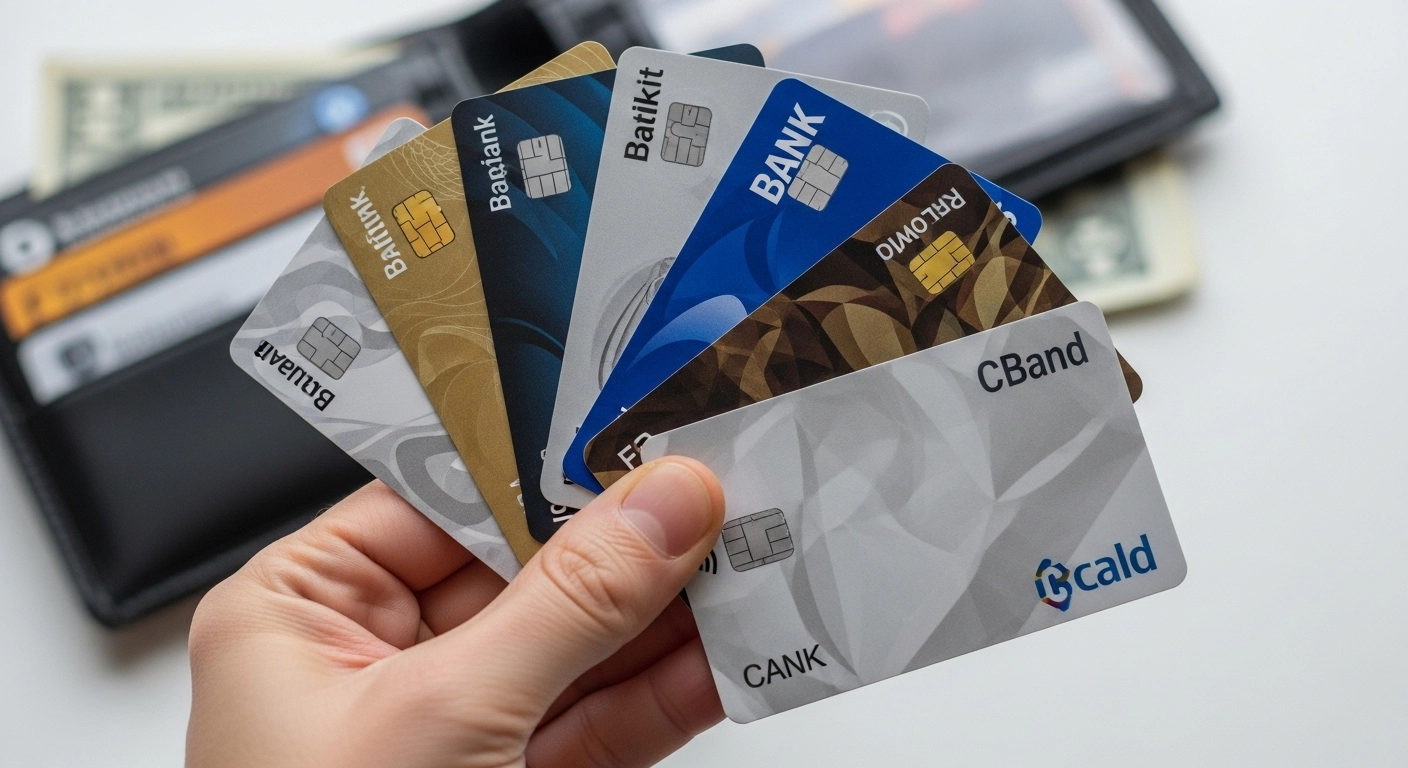
Generally, having one to three credit cards is considered optimal for building and maintaining good credit. However, this number can vary based on individual circumstances and financial behaviors. Below are some pointers to help you decide:
- One Credit Card: Ideal for those who are new to credit or prefer simplicity. It helps establish credit history but may not provide much flexibility in utilizing credit.
- Two to Three Credit Cards: This is often the sweet spot for most individuals. Having multiple cards can help with credit utilization and offer various rewards or benefits.
- Four or More Credit Cards: While this can enhance your credit score if managed correctly, it may lead to overspending or difficulties in tracking payments.
Ultimately, the right number for you will depend on how well you can manage your credit. If you feel confident in your ability to handle multiple cards, having three to five can maximize your benefits.
The Benefits of Multiple Credit Cards
Using multiple credit cards can bring various advantages beyond merely increasing your credit limit. Here’s how:
- Diverse Benefits: Different credit cards often come with different rewards, such as cash back, travel points, or discounts. By having multiple cards, you can maximize these benefits depending on your spending habits.
- Improved Credit Utilization: Spreading your balance across multiple cards can keep your credit utilization low, which is a significant factor in your credit score.
- Emergency Backup: Having an extra card can serve as a safety net during emergencies or unexpected expenses.
However, it’s essential to be disciplined and ensure timely payments to avoid high interest charges and potential damage to your credit score.
How Many Credit Cards Should I Have in My 20s?
Your 20s are a crucial decade for establishing credit. If you’re just starting, consider opening one or two credit cards to build your credit history. One beginner-friendly option is a student credit card or a secured credit card. These can help you manage your finances while learning how credit works.
Able to balance multiple cards? You might consider adding additional cards as you gain confidence in your ability to manage credit responsibly. The key is to focus on using credit wisely, making payments on time, and keeping debt low.
In your 20s, aim for a balance that allows you to build credit without overwhelming yourself with payments. Between one and three cards is a generally good guideline.
Common Misconceptions About Credit Cards
There are several myths surrounding credit cards that can lead to misunderstanding their importance:
- Having No Credit Cards Is Safer: Many believe that avoiding credit cards means avoiding debt, but this can hinder your ability to build credit and obtain loans for significant purchases like a car or home.
- Close Old Accounts to Improve Credit: Closing old accounts can actually hurt your credit score because it reduces the average age of your accounts.
- All Credit Cards Carry High Interest Rates: While some cards do have high rates, there are many options available with low-interest rates or introductory 0% APR offers.
Being informed about these misconceptions can help you make better credit decisions.
Checklist for Managing Your Credit Cards Responsibly
- Choose credit cards that align with your lifestyle and spending habits.
- Set up automatic payments to avoid missed deadlines.
- Regularly review your credit card statements for errors or unauthorized charges.
- Maintain a low credit utilization ratio (ideally below 30%).
- Consider setting alerts for payment due dates to keep yourself on track.
Exploring Credit Cards: A Comparison of Popular Types
| Card Type | Benefits | Ideal For |
|---|---|---|
| Cash Back | Earn cash back on purchases | Everyday spenders |
| Travel Rewards | Earn points or miles for travel | Frequent travelers |
| Secured Credit Cards | Build credit with a security deposit | Those with poor or no credit |
| Student Credit Cards | Good for building credit as a student | College students |
When considering which credit cards to apply for, analyze your spending patterns and what benefits you value most.
Emerging Trends and the Future of Credit Card Usage
As technology advances, the landscape of credit card usage is evolving. Innovations such as virtual cards, mobile payments, and biometric authentication are shaping the future of how we use credit. Virtual cards, for instance, enhance security by allowing consumers to generate temporary card numbers for online purchases, reducing the risk of fraud.
Additionally, the rise of artificial intelligence in credit card companies is providing personalized finance management tools to help consumers manage their spending effectively. These technologies are making credit cards safer and more user-friendly, paving the way for more responsible financial practices.
Frequently Asked Questions
1. How many credit cards should I have to build credit?
Generally, having two to three credit cards is suitable for building credit effectively while maintaining a manageable balance.
2. Is it bad to have too many credit cards?
Having too many credit cards can lead to difficulties in managing payments and higher chances of accumulating debt. It’s essential to assess your ability to manage cards effectively.
3. What is a good credit utilization ratio?
Keeping your credit utilization below 30% is ideal for maintaining a good credit score.
4. Can I improve my credit score by opening more credit cards?
Opening more cards can improve your credit score if you keep your balances low and make all payments on time.
5. Should I close old credit cards?
It’s generally not advisable to close old accounts, as it can negatively impact your credit score due to a reduced average age of accounts.
In conclusion, determining how many credit cards you should have is essential for achieving good credit and financial health. By understanding how to manage them effectively, you can maximize your credit score, take advantage of various benefits, and ultimately secure your financial future. Apply the knowledge you’ve gained here, explore different credit card options, and make informed decisions that align with your financial goals.

Empowering you to master your money with confidence and clarity. On this channel, we break down personal finance—from budgeting basics and saving smarter to debt-free strategies and practical investing—all in easy-to-understand language.
Expect weekly deep dives into real-life financial questions, step-by-step tutorials, and expert insights that make money topics approachable and actionable. Whether you’re building emergency savings, paying off loans, or planning for the future, you’re in the right place to get informed, empowered, and financially confident.