Affordable housing and urban development are hot topics for millions of families—and they’re about to get a significant boost in Brazil. If you’re interested in how nations are tackling these challenges with innovative programs and serious funding, read on to discover how Brazil’s latest government initiatives could reshape communities and offer lessons worldwide.
Ambitious Funding Plan for 2026 Announced
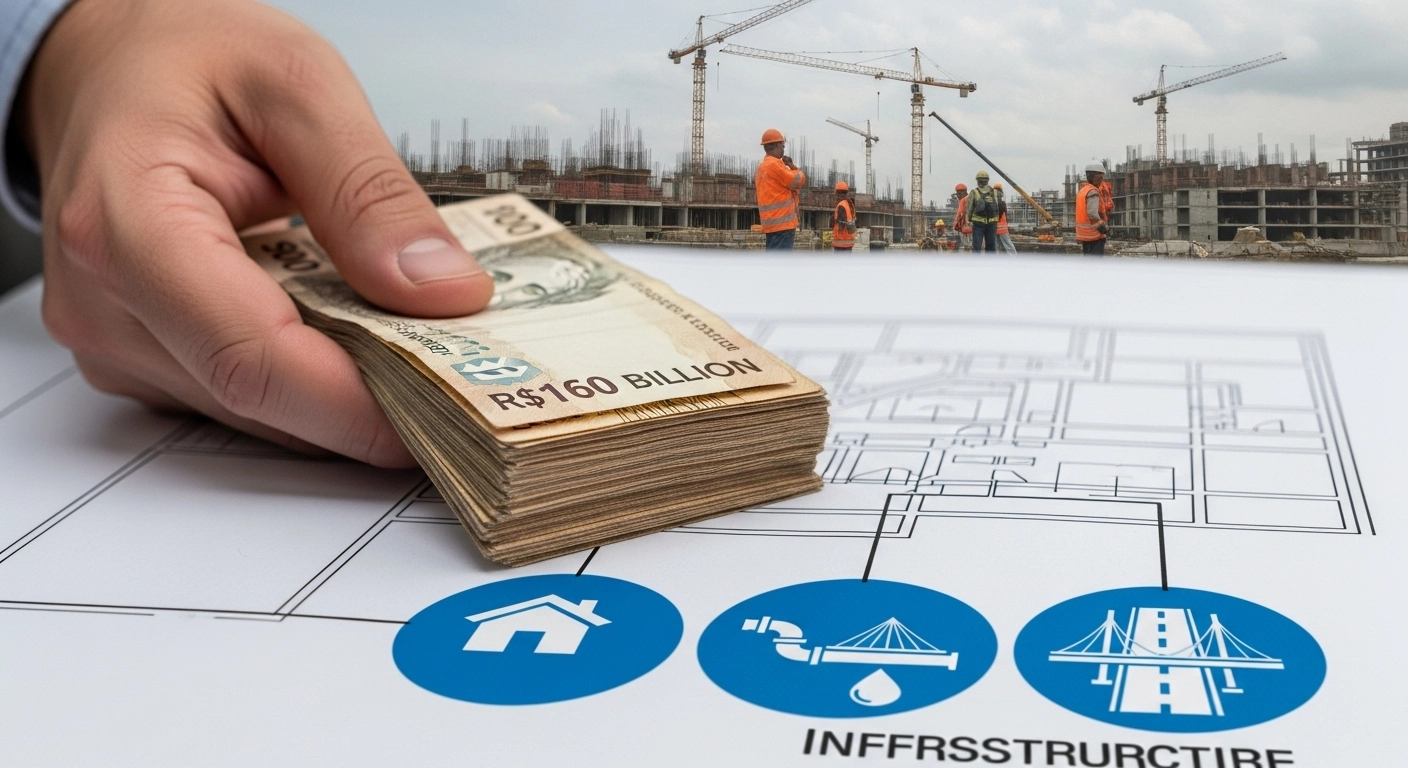
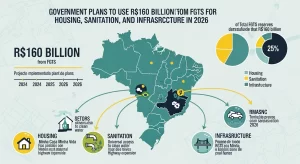
The Brazilian Ministry of Cities has formally requested a whopping R$160.5 billion (approximately $32.2 billion USD) from the country’s FGTS (Severance Indemnity Fund for Employees) for use in 2026. This information was shared by Minister Jader Filho in an interview with the O Globo newspaper. If approved, this funding will power projects in four key areas:
- Housing
- Sanitation
- Urban mobility
- Other infrastructure improvements
This sum marks a notable 5% increase over the R$152 billion allocated for 2025, reflecting clear momentum in the government’s prioritization of public investment. The final approval now rests with the FGTS Board of Trustees, who will evaluate this ambitious proposal in coming months.
More Than Just Housing
According to Minister Filho, “It’s not just about the Minha Casa, Minha Vida [My House, My Life] program. Portions of the funding will also support sanitation, city mobility, and broader infrastructure.” This strategic approach is especially remarkable when compared to just two years ago, when only R$66 billion was allocated in 2023.
A Major Push for Affordable Housing
Of the total funds requested, R$144.5 billion are intended specifically for housing initiatives—primarily through the national Minha Casa, Minha Vida (MCMV) program. This represents about a 1.8% jump over 2025’s housing budget, ensuring continuous support in one of the nation’s most crucial areas.
Recent history shows a strong, ongoing demand for housing finance in Brazil. It has become increasingly common for the government to reallocate additional funds to housing during the year as needs surge. For instance, in July, an extra R$10 billion was greenlit for housing projects after initial funds ran dry—further testifying to the persistent and growing demand for affordable, quality living spaces.
President Lula’s Focus: Expanding Access to Housing and Home Improvements
Expanding and modernizing housing programs has become a central policy under President Luiz Inácio Lula da Silva’s leadership. This is seen as a pathway not only for social progress but also for boosting his popularity, especially with Brazil’s middle class.
Earlier this week, President Lula launched the Reforma Casa Brasil program (Reform My Home Brazil), a new initiative to make home improvement financing more accessible for millions of families.
Who Benefits from Reforma Casa Brasil?
This new program targets families who already own their home but grapple with structural issues or safety concerns. It’s aimed at repairs and upgrades such as:
- Fixing damaged roofs and floors
- Modernizing outdated or unsafe electrical and plumbing systems
- Improving accessibility for people with disabilities
- Expanding homes to accommodate growing families
A Closer Look at Program Funding and Impact
So, where is the money coming from—and how will it be used?
- R$30 billion from Brazil’s Social Fund will provide subsidized loans for households earning up to R$9,600 per month.
- Caixa Econômica Federal (a major state-run bank) will supply an additional R$10 billion in loans through the Sistema Brasileiro de Poupança e Empréstimo (SBPE, or Brazilian Savings and Loan System) for those earning above that threshold.
- These programs aim to make up to R$40 billion in affordable credit available for home repairs, with individual families eligible for up to R$30,000 in loans.
The government estimates that 1.5 million contracts will be signed, making a tangible impact on families across Brazil. According to Minister Jader Filho, operations are set to begin as early as November.
Ongoing Updates to Housing Policy
The recently launched home renovation program is just the latest wave of housing-focused reforms introduced this year by President Lula’s administration. In another significant move, the government created a new “faixa 4” (income range) within the Minha Casa, Minha Vida program, ensuring coverage for families earning between R$8,600 and R$12,000 per month.
There’s also a drive to stimulate the real estate market by enabling additional credit through the SBPE. It’s projected that this could inject around R$50 billion in extra housing finance over a one-year period, helping thousands purchase homes and further stimulating economic growth.
Key Points at a Glance
Here are five crucial takeaways from Brazil’s 2026 funding plans:
- Historic Funding Request: The Ministry of Cities is seeking R$160.5 billion from the FGTS for 2026—a 5% hike from the previous year.
- Emphasis on Housing: R$144.5 billion is earmarked for affordable housing, especially via the Minha Casa, Minha Vida program.
- New Home Repair Credit: The Reforma Casa Brasil program will provide up to R$40 billion in low-interest loans for home improvements.
- Widened Program Scope: Recent reforms now extend housing benefits to middle-class families and inject another R$50 billion into the mortgage market.
- Flexible Financing Rules: Updates to the Housing Finance System (SFH) include a new ceiling for financed properties—most new loans will be granted with interest capped at 12%.
What’s Next for Brazilian Cities?
The scale and ambition of these investments show the Brazilian government’s determination to address longstanding housing and infrastructure needs. With expanded credit, broadened program eligibility, and increased public investment, millions stand to benefit from safer, more modern, and more affordable homes.
Whether you’re tracking global trends in social housing, interested in large-scale infrastructure planning, or simply want to understand how governments can make a difference in people’s daily lives, keep your eye on Brazil’s bold initiatives in the years ahead.

Empowering you to master your money with confidence and clarity. On this channel, we break down personal finance—from budgeting basics and saving smarter to debt-free strategies and practical investing—all in easy-to-understand language.
Expect weekly deep dives into real-life financial questions, step-by-step tutorials, and expert insights that make money topics approachable and actionable. Whether you’re building emergency savings, paying off loans, or planning for the future, you’re in the right place to get informed, empowered, and financially confident.