
Middle East Crisis Triggers Global Financial Jitters, But Brazil’s Currency Shows Unexpected Strength
A significant geopolitical shockwave, stemming from the escalating conflict between the United States, Israel, and Iran, coupled with the potential closure of the Strait of Hormuz, held the potential to ignite a substantial surge in the U.S. dollar’s value. However, the anticipated currency impact on Brazil has been remarkably restrained, surprising many market observers.
According to José Alfaix, an economist at Rio Bravo, three fundamental factors have acted as a protective shield for the Brazilian Real, mitigating a more severe blow to the domestic economy. These factors range from the attractiveness of Brazil’s high benchmark interest rate, the Selic, to a perceived erosion of the dollar’s safe-haven status under the Trump administration.
This analysis, provided by Rio Bravo, offers crucial insights into how Brazil navigated a tumultuous period that could have otherwise led to significant capital flight and currency depreciation. Understanding these dynamics is vital for investors and businesses operating in or considering engagement with emerging markets.
The Trio of Factors Anchoring the Brazilian Real
While the international financial markets have reacted with palpable tension to a crisis involving the potential disruption of a route responsible for 20% of global oil supply, the U.S. dollar’s behavior against the Brazilian Real has not mirrored the expected capital flight scenario. The economist from Rio Bravo outlines three central explanations for this less severe outcome than initially anticipated.
The first, and perhaps most potent, is the sheer attractiveness of Brazil’s benchmark interest rate. The current monetary policy, characterized by a high Selic rate of 14.75%, renders the carry trade on the Brazilian Real highly appealing to investors. This high yield effectively compensates for perceived risks, making it a compelling option even amidst global uncertainty.
The second crucial element is the political landscape in the United States, specifically the shift in the automatic demand for the American dollar during times of crisis. Alfaix posits that the current U.S. administration is actively eroding the dollar’s credibility as a safe-haven asset. As investors seek alternative havens, emerging markets like Brazil, bolstered by attractive yields, become more prominent.
The third contributing factor is Brazil’s structural and commercial position, which inherently mitigates the direct shock to its balance of payments. Alfaix highlights that Brazil is a net exporter of oil. Consequently, it is less impacted by oil supply disruptions compared to net importing nations like Japan, which often experience a sharper currency devaluation in such scenarios.
Quantifying the Resilience: A Look at the Numbers
This partial shielding effect, as identified by Rio Bravo, is clearly reflected in currency market data. On the eve of the conflict’s escalation, the U.S. dollar was trading at R$ 5.13 against the Brazilian Real. More than a month later, by the close of March, the dollar had only inched up to R$ 5.18. This minimal fluctuation stands in stark contrast to the significant depreciations often seen in emerging market currencies during periods of intense geopolitical stress.
The performance of gold, another traditional safe-haven asset during times of panic, exhibited a similar, albeit more pronounced, reaction. Alfaix commented that for a shock involving the closure of a route carrying 20% of global oil, the market’s reaction, particularly concerning currency markets, was less extreme than anticipated. This suggests that the underlying economic and financial mechanisms at play were more robust than usual.
Risk Aversion Continues to Impact Interest Rates and Equity Markets
Despite the currency’s relative stability, the Rio Bravo economist cautions that the overall scenario is far from positive. The broader market continues to adhere to the traditional playbook of risk aversion, often referred to as ‘risk-off’ sentiment. This sentiment is amplified by concerns over potential renewed global inflationary pressures stemming from the geopolitical events.
This repricing of risk is negatively impacting other asset classes, but Alfaix notes that this is occurring largely within expected parameters. He points out that international stock markets have already retraced all the gains accumulated in January and February. In Brazil, the Ibovespa index has retreated from its pre-conflict peak, and the domestic market is grappling with an widening of the yield curve, indicating increased borrowing costs.
The fear of inflation has materialized in revised economic forecasts. For instance, the Central Bank of Brazil’s Focus report saw the inflation expectation for the IPCA (Brazil’s consumer price index) jump significantly, from 3.91% to 4.31%. This upward revision underscores the persistent inflationary concerns that continue to shape market sentiment and policy decisions.
Despite the prevailing turbulence and the strong pressure on fixed income and variable income investments, Rio Bravo’s conclusion remains consistent: had it not been for the three key vectors currently supporting Brazil’s attractiveness relative to the U.S. dollar, the economic fallout from this crisis would have been considerably more severe. These stabilizing forces provided a crucial buffer against more extreme market reactions.
The Enduring Appeal of High Yields in Emerging Markets
The elevated Selic rate in Brazil is not merely a domestic policy choice; it has become a significant international financial instrument. In a world where developed economies often struggle with persistently low interest rates, Brazil’s high yield offers a compelling opportunity for investors seeking superior returns. This differential makes the Brazilian Real an attractive proposition for carry trade strategies, where investors borrow in currencies with low interest rates and invest in those with higher rates.
This strategy, while potentially lucrative, also carries inherent risks. However, when geopolitical events create uncertainty and diminish the appeal of traditional safe havens, the allure of high, albeit risk-adjusted, yields can become even stronger. The Rio Bravo analysis suggests that this dynamic has played a pivotal role in anchoring the Brazilian Real.
The ability of the Selic rate to absorb some of the ‘risk premium’ associated with emerging markets is a testament to its effectiveness as a tool for attracting foreign capital. This capital inflow can help stabilize the currency, support economic growth, and provide a degree of insulation from external shocks.
The Shifting Sands of Global Reserve Currencies
The observation that the U.S. dollar’s status as an automatic safe haven is being eroded is a significant development in global finance. Historically, during times of uncertainty, investors have flocked to the dollar, driving up its value and providing a liquidity-driven boost to the U.S. economy. This phenomenon has often been referred to as the dollar’s ‘exorbitant privilege’.
However, political shifts and changing global dynamics can alter these perceptions. The Trump administration’s policies and rhetoric have, according to Alfaix, contributed to a questioning of the dollar’s unwavering reliability. This perception, whether justified or not, can lead investors to diversify their holdings and seek alternatives, even in emerging markets.
This diversification trend can benefit countries like Brazil, especially when combined with attractive domestic economic fundamentals, such as high interest rates. It signifies a potential recalibration of global financial flows, where the dollar’s dominance might face more sustained challenges than in previous decades. The search for reliable, yield-generating assets becomes paramount.
Brazil’s Unique Position as an Energy Exporter
Brazil’s status as a net oil exporter is a critical, yet often overlooked, factor in its currency’s resilience. In a globalized economy, disruptions to energy supply chains can have widespread repercussions. For countries that import significant amounts of oil, such disruptions typically lead to higher import costs, a widening trade deficit, and downward pressure on their currencies.
However, for net exporters like Brazil, the situation is reversed. Higher global oil prices can translate into increased export revenues, a stronger trade balance, and upward pressure on the national currency. This structural advantage provides an inherent buffer against the inflationary and currency shocks that often accompany energy crises.
This export-oriented advantage is particularly relevant in the context of the Strait of Hormuz. While the closure of this vital shipping lane poses a threat to global energy markets, Brazil’s position as a producer, rather than a major consumer reliant on imports, offers a degree of insulation. This unique characteristic solidifies its appeal as a relatively stable investment destination.
Navigating the ‘Risk-Off’ Environment: Beyond Currency Stability
While the Brazilian Real has demonstrated remarkable resilience, it is crucial to acknowledge that the broader financial environment remains challenging. The ‘risk-off’ sentiment, driven by fears of inflation and geopolitical instability, continues to cast a shadow over global markets. This translates into increased volatility and potential losses for investors who are heavily exposed to riskier assets.
The retraction in global equity markets serves as a stark reminder of this. The gains made earlier in the year have been largely erased, indicating a pervasive sense of caution among investors. In Brazil, the Ibovespa’s decline from its peak and the widening of the yield curve signal that domestic markets are not immune to these global pressures.
The upward revision of inflation forecasts in Brazil further complicates the outlook. Higher inflation erodes purchasing power, reduces the real return on investments, and can prompt central banks to maintain or even increase interest rates, potentially dampening economic growth. Investors must therefore adopt a nuanced approach, recognizing that currency stability does not equate to a risk-free investment environment.
The key takeaway from Rio Bravo’s analysis is that while external shocks can be severe, domestic economic policies and structural advantages can significantly moderate their impact. Brazil’s high Selic rate, coupled with a perceived shift in the dollar’s safe-haven appeal and its role as an energy exporter, has created a unique confluence of factors that have protected its currency.
FAQ: Understanding Currency Resilience in Volatile Times
Q1: What is the Selic rate and why is it important for the Brazilian Real?
The Selic rate is Brazil’s benchmark interest rate, set by the Central Bank. A high Selic rate makes investments in Brazilian assets, like government bonds, more attractive due to higher potential returns. This increased demand for Brazilian assets can strengthen the Real by attracting foreign capital.
Q2: How does the ‘Trump Factor’ influence the U.S. dollar’s appeal?
The ‘Trump Factor’ refers to the impact of the U.S. administration’s policies and rhetoric on global financial markets. According to Rio Bravo’s economist, José Alfaix, certain actions or perceptions surrounding the U.S. administration have led to a decrease in the dollar’s automatic appeal as a safe-haven asset during times of crisis, prompting investors to seek alternatives.
Q3: What is a ‘safe-haven asset’ and why is it relevant here?
A safe-haven asset is an investment that is expected to retain or increase its value during times of market turbulence or economic downturn. Traditionally, assets like U.S. Treasury bonds and gold have served as safe havens. The perceived decline in the dollar’s safe-haven status means investors are looking elsewhere for security.
Q4: How does Brazil being a net oil exporter affect its currency?
As a net oil exporter, Brazil benefits from higher global oil prices. This leads to increased export revenues, a stronger trade balance, and can put upward pressure on the Brazilian Real. This is in contrast to net oil importers, who typically see their currencies weaken during energy price spikes.
Q5: What is the Strait of Hormuz and why is its closure a concern?
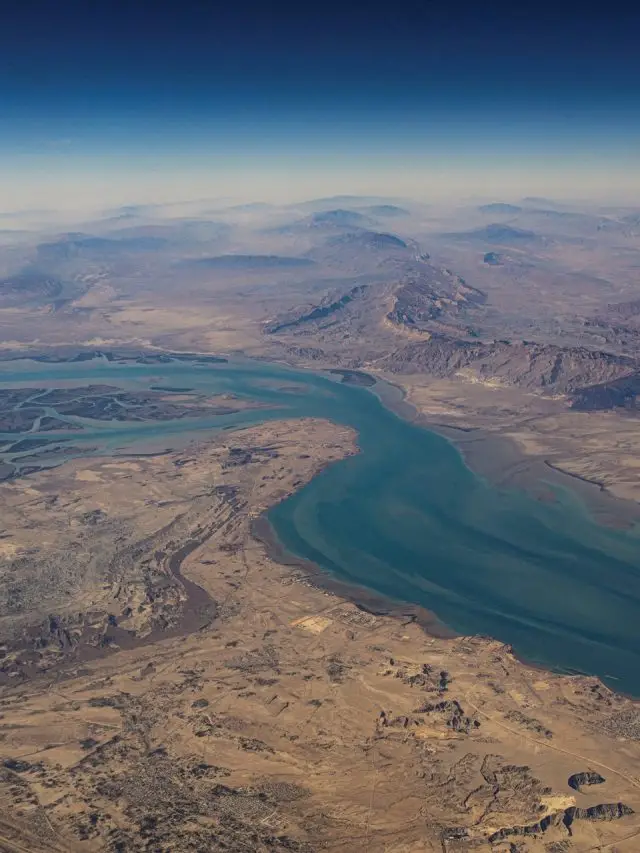
The Strait of Hormuz is a vital chokepoint for global oil transportation, located between Iran and Oman. Approximately 20% of the world’s oil supply passes through it. Its closure or disruption would significantly impact global energy markets, potentially leading to higher prices and supply shortages.
Q6: What does ‘risk-off’ sentiment mean in financial markets?
‘Risk-off’ sentiment describes a market environment where investors become more risk-averse. They tend to sell assets perceived as risky (like emerging market stocks and bonds) and move their capital into safer assets (like government bonds of developed nations or cash). This often leads to currency depreciation in emerging markets.
Q7: How does the widening of the yield curve impact the Brazilian economy?
A widening yield curve, particularly at the shorter end, often indicates that the market expects interest rates to rise or remain high. This can increase borrowing costs for businesses and consumers, potentially slowing down economic activity. It also reflects concerns about inflation and economic stability.
Q8: Despite currency stability, why is the overall economic scenario still considered challenging?
While the Real has been resilient, the broader market faces challenges due to heightened global uncertainty, fears of inflation, and the general ‘risk-off’ sentiment. This leads to volatility in other asset classes like stocks and bonds, and impacts economic growth prospects, even if the currency itself remains relatively stable.
Q9: What is the ‘carry trade’ strategy?
The carry trade is an investment strategy where an investor borrows money in a currency with a low interest rate and invests it in an asset denominated in a currency with a high interest rate, aiming to profit from the interest rate differential. Brazil’s high Selic rate makes it an attractive destination for carry trade strategies.
Q10: How do geopolitical shocks like the Middle East conflict affect emerging market currencies?
Geopolitical shocks often increase global uncertainty and risk aversion. Investors tend to move capital away from riskier emerging markets towards perceived safe havens, leading to currency depreciation and capital flight. However, as seen in Brazil, strong domestic factors can sometimes mitigate these effects.

Empowering you to master your money with confidence and clarity. On this channel, we break down personal finance—from budgeting basics and saving smarter to debt-free strategies and practical investing—all in easy-to-understand language.
Expect weekly deep dives into real-life financial questions, step-by-step tutorials, and expert insights that make money topics approachable and actionable. Whether you’re building emergency savings, paying off loans, or planning for the future, you’re in the right place to get informed, empowered, and financially confident.