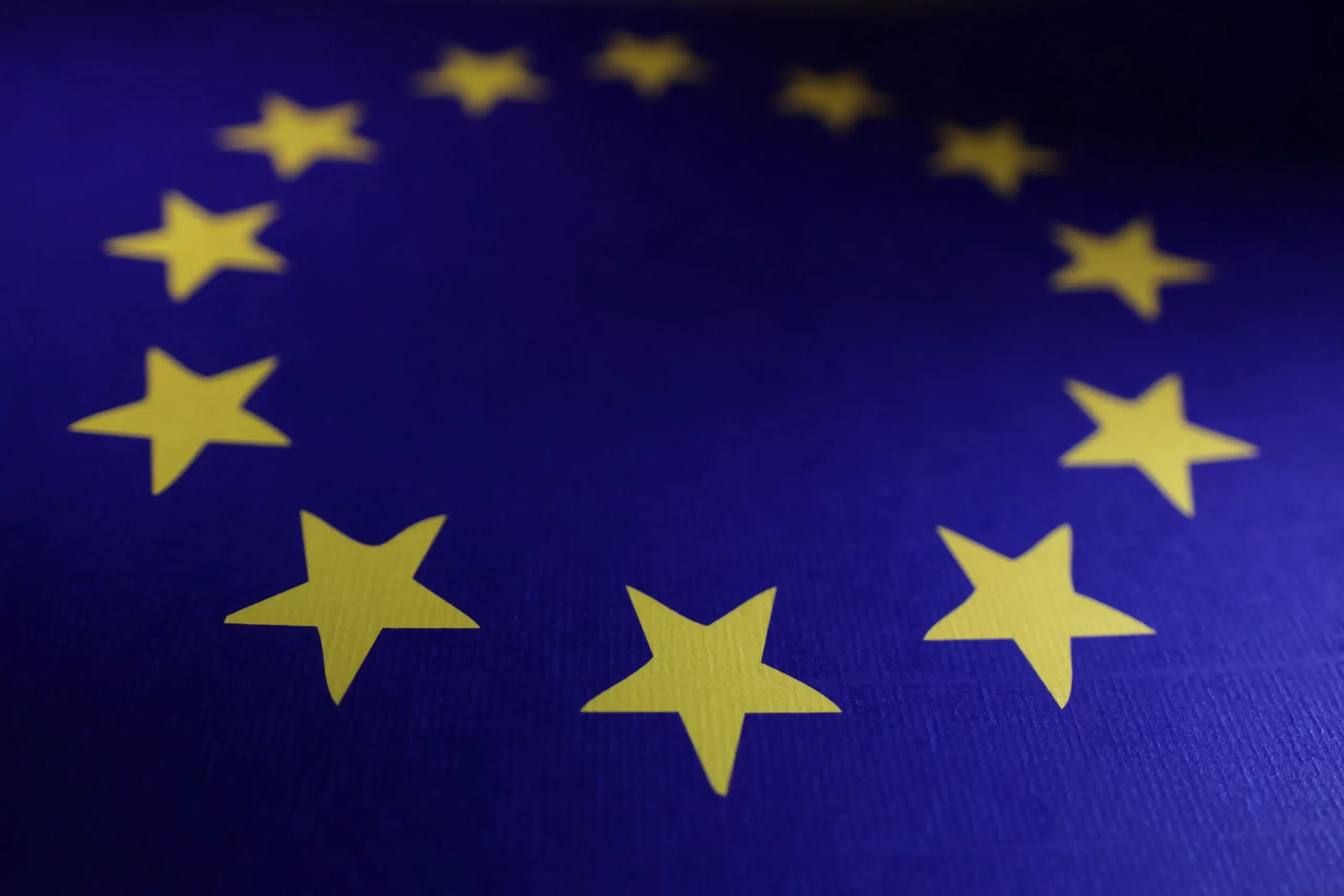
The European Union is on the verge of a pivotal decision regarding its ambitious trade agreement with the Mercosur bloc. Denmark, holding the EU’s rotating presidency, announced that member states are slated to vote early next week on whether to finalize the controversial deal.
This vote could determine if the EU officially signs the pact with Brazil, Argentina, Paraguay, and Uruguay by the end of the year, marking a significant moment nearly 25 years after negotiations first began. However, the path to approval is fraught with challenges, as several EU nations, notably France, have voiced strong objections.
Concerns primarily revolve around the potential impact on European farmers, with fears that increased agricultural imports could undermine local production and livelihoods. The European Commission, which spearheaded the negotiations, is now seeking the crucial backing of member states to enable Commission President Ursula von der Leyen to formally sign the agreement in Brazil on December 20th. This information was confirmed by an official from the Danish presidency on Friday.
Vote Looms with Uncertain Outcome
The upcoming vote carries significant weight, as it requires a qualified majority for approval. This means at least 15 EU member states, representing 65% of the bloc’s population, must vote in favor. While countries like Germany, Spain, and the Nordic nations have expressed clear support for the Mercosur deal, the opposition from Poland is a firm ‘no’.
The positions of France and Italy remain unclear, adding a layer of suspense to the proceedings. Should these three nations, along with at least one other, vote against the agreement or abstain, the deal faces outright rejection. The European Commission has been actively working to mitigate opposition, introducing a mechanism that could allow for the suspension of preferential access for certain Mercosur agricultural products, including beef, poultry, and sugar.
Economic and Geopolitical Imperatives Drive the Deal
Supporters of the Mercosur agreement, which is hailed as the EU’s largest in terms of tariff reductions, argue that it is a critical component of the EU’s diversification strategy. In an era of escalating geopolitical tensions, including US tariffs and Chinese restrictions on critical exports like chips and rare earths, securing new markets and ensuring access to essential minerals is paramount.
The agreement is seen as a way to bolster the EU’s economic resilience and reduce its dependence on volatile global supply chains. Diplomats within the EU have indicated that France had previously attempted to postpone the vote until January, suggesting a strategic delay to consolidate opposition or garner more support.
“The Deal is Dead” if Not Signed Soon
The urgency to finalize the Mercosur deal is palpable. One EU diplomat warned that if the agreement is not signed in the coming days, it could effectively be “dead”. This sentiment underscores the high stakes involved, with some arguing that failure to reach an accord could diminish Europe’s global standing.
The diplomat further emphasized the broader implications, stating, “If we cannot reach an agreement on Mercosur, we no longer need to talk about European sovereignty. We will become geopolitically irrelevant.” This stark warning highlights the perceived necessity of the deal for the EU’s future economic and political influence on the world stage.

Empowering you to master your money with confidence and clarity. On this channel, we break down personal finance—from budgeting basics and saving smarter to debt-free strategies and practical investing—all in easy-to-understand language.
Expect weekly deep dives into real-life financial questions, step-by-step tutorials, and expert insights that make money topics approachable and actionable. Whether you’re building emergency savings, paying off loans, or planning for the future, you’re in the right place to get informed, empowered, and financially confident.