Brazil’s High Interest Rates: Why Business Leaders are Calling for Change
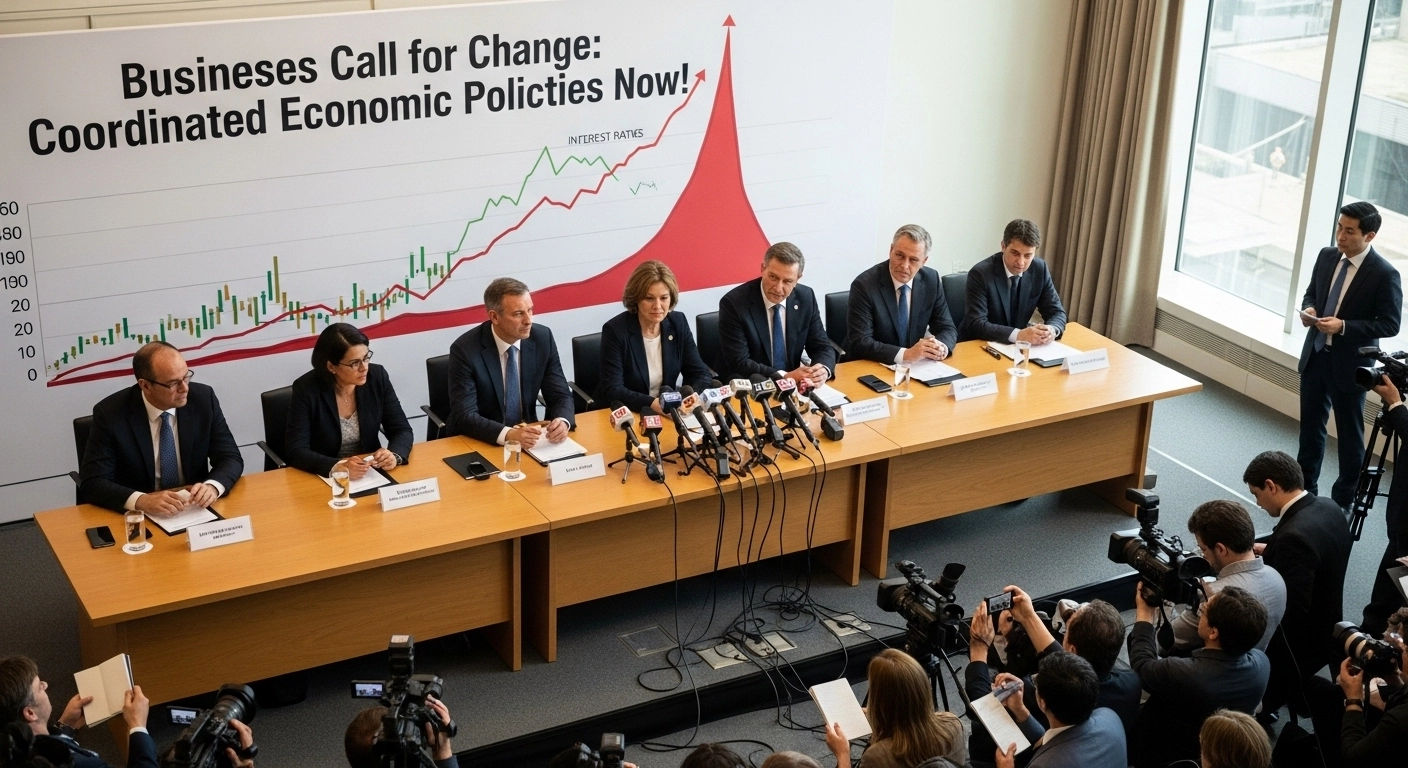
In recent months, Brazil’s Central Bank made headlines by maintaining the country’s benchmark interest rate, the Selic, at a sky-high 15%—a decision that’s sparked significant debate. While many economists and market watchers have backed the move, voices from Brazil’s business sector are raising urgent concerns. They argue that keeping the Selic at current levels may be stifling economic growth and undermining the nation’s competitiveness on the international stage.
So, what’s at stake, and why does it matter? Read on to explore the critical viewpoints from industry leaders, understand how monetary policy impacts the real economy, and see what steps are being urged to move Brazil toward sustainable growth.
Why is the Selic Rate Controversial Right Now?
The Selic rate serves as Brazil’s primary tool for controlling inflation, but maintaining it at 15% has triggered sharp criticism—particularly among business associations. While the Central Bank cites concerns about inflationary pressures and economic stability, business leaders believe this cautious approach may be doing more harm than good.
The Industry’s Perspective: Calls for Change
The National Confederation of Industry (CNI), led by President Ricardo Alban, was quick to issue a public statement criticizing the Central Bank’s decision. According to Alban, “There can be no sustainable growth with astronomically high interest rates—no innovation, reindustrialization, or accessible credit.” The CNI statement characterizes the Central Bank’s stance as “excessively conservative,” especially since recent data shows favorable signs for lower inflation and an overall cooling of the economy.
Alban argues that high interest rates are paralyzing productive investment, with ripple effects throughout Brazilian society. He insists, “It’s past time for a more supportive monetary policy,” and urges that the Central Bank should kick off a cycle of rate cuts without delay, starting at the next meeting of the Monetary Policy Committee (Copom) in November.
The Urgent Need for Fiscal-Monetary Alignment
Even as businesses advocate for rate cuts, they acknowledge that monetary policy alone can’t carry the weight of Brazil’s economic challenges.
Alban emphasizes that, alongside reducing the Selic, Brazil urgently needs a societal pact focused on fiscal responsibility—that is, curbing public spending and aligning fiscal and monetary strategies for maximum impact. Without synchronized policies, he warns, “There will be no structural drop in interest rates. We need public accounts in order before rates can fall for good.”
The CNI also highlights additional struggles faced by businesses, including painful tax burdens like the IOF (Tax on Financial Operations) increases on credit and foreign exchange, and higher tariffs imposed by the United States on Brazilian exports, further threatening competitiveness.
Key Takeaways: What Business Leaders Are Demanding
Here are the main points that Brazil’s business associations are pressing:
- Immediate Start to Rate Cuts: Begin lowering the Selic to encourage investment and growth.
- Fiscal Discipline: Reduce government spending and improve public accounts to enable sustainable rate reductions.
- Better Policy Coordination: Ensure monetary and fiscal policies work together to drive stable growth.
- End to Punitive Tax and Tariff Regimes: Ease the IOF and push back against trade tariffs to restore competitiveness.
- Safeguard Industry and Jobs: Lowering rates is seen as critical to job creation, consumer spending, and industrial expansion.
Supermarket Sector Chimes In: “It’s Time for Flexibility”
The São Paulo Supermarkets Association (APAS), representing another crucial part of Brazil’s economy, echoes these concerns. Chief economist Felipe Queiroz notes, “We are watching the Central Bank’s actions with caution. There is room for a more flexible monetary policy.” He points to falling inflation—now close to official targets—and argues that the rate-cut cycle should have already begun.
Queiroz highlights an important dynamic: even as the government tries to stimulate the economy, the Central Bank’s approach is putting the brakes on with tight monetary policy. This disconnect, he argues, is making things worse for both businesses and consumers. “We need alignment between the Treasury and the Central Bank for an efficient monetary policy that minimizes collateral damage to growth,” Queiroz insists.
He adds that Brazil currently has one of the highest real interest rates in the world, making it almost impossible for the nation to chart a path toward sustainable growth.
Industry’s Broader Concerns: Growth, Competitiveness, and International Frictions
Flávio Roscoe, President of the Federation of Industries of Minas Gerais (Fiemg), adds another layer: maintaining high interest rates “reinforces obstacles to Brazil’s economic growth, affecting consumption, investment, and business competitiveness.”
Roscoe suggests that the solution lies in stronger fiscal-monetary coordination and argues that fiscal policy must support monetary easing for inflation to remain under control as rates begin to fall.
Additionally, Roscoe points to the trade tensions with the United States, including recent tariff hikes. He explains that the current environment is pushing companies to open new markets, but the high cost of borrowing makes this nearly impossible, putting Brazilian firms at a disadvantage versus global competitors.
The Human Cost: Families and the Broader Economy
The effects of a sustained 15% Selic rate aren’t just felt by companies—they ripple through Brazilian society at every level. High interest rates:
- Make it harder and more expensive for families to access credit, affecting everything from buying homes to starting small businesses.
- Limit investment in new projects and industries, reducing job creation and wage growth.
- Encourage a cycle of slower economic activity, putting even more pressure on families and slowing the fight against poverty.
Conclusion: The Call for Balanced Reform
Brazil is at an economic crossroads. While the Central Bank’s caution is understandable, business leaders insist that a course correction is now urgent. A more supportive interest rate policy, paired with fiscal responsibility and strategic government action on the international front, is essential for reigniting growth, boosting competitiveness, and improving quality of life.
If you’re interested in learning more or supporting these efforts, stay informed by following updates from the National Confederation of Industry (CNI), São Paulo Supermarkets Association (APAS), and the Federation of Industries of Minas Gerais (Fiemg). Raise your voice, engage with the discussion, and help shape a more prosperous future for Brazil.

Empowering you to master your money with confidence and clarity. On this channel, we break down personal finance—from budgeting basics and saving smarter to debt-free strategies and practical investing—all in easy-to-understand language.
Expect weekly deep dives into real-life financial questions, step-by-step tutorials, and expert insights that make money topics approachable and actionable. Whether you’re building emergency savings, paying off loans, or planning for the future, you’re in the right place to get informed, empowered, and financially confident.