
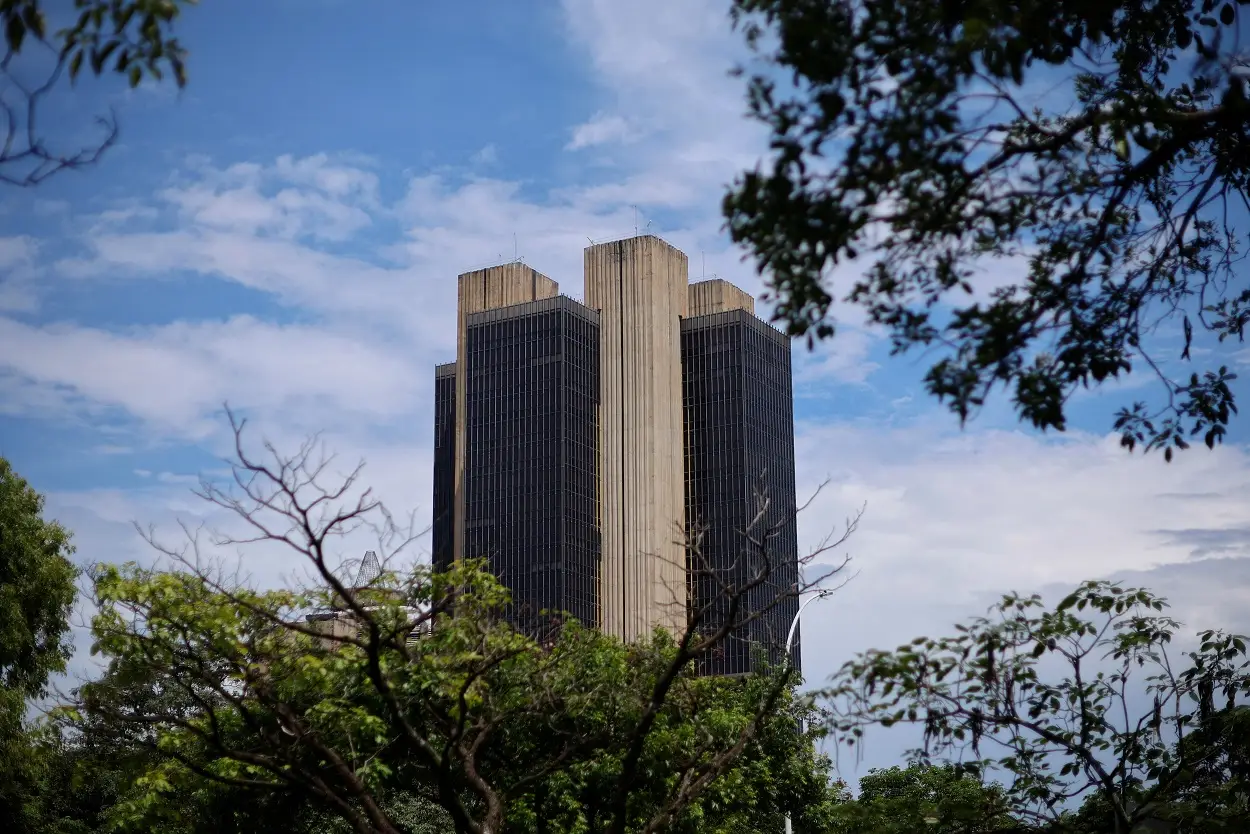
The trajectory of Brazil’s monetary policy is under intense scrutiny as the final Monetary Policy Committee (Copom) meeting of 2025 approaches. Financial institutions like XP and Santander Asset Management are providing insights into the factors that will guide the Central Bank’s crucial decision on the Selic interest rate.
With inflation showing signs of deceleration, the prevailing sentiment among economists is that the Selic rate will likely be held steady at its current level of 15% per year until the close of 2025. This cautious stance reflects the Central Bank’s commitment to a ‘wait-and-see’ approach, prioritizing a thorough analysis of economic data before considering any adjustments to borrowing costs.
The insights from Eduardo Jarra and Luciano Rais of Santander Asset, alongside Rodolfo Margato from XP, highlight the Central Bank’s communicated intention since June to maintain elevated interest rates for a ‘prolonged period.’ This strategy aims to ensure price stability and manage economic uncertainties effectively, according to information gathered from XP and Santander’s institutional client meetings.
Cautious Outlook Despite Economic Slowdown
While the Brazilian economy is exhibiting a slowdown in activity and controlled inflation, the timing of an interest rate cut remains a subject of debate. The majority consensus points towards the first reduction in the Selic rate occurring in March 2026, with an anticipated decrease of 0.50 percentage points. However, the possibility of an earlier easing in January has not been entirely ruled out.
Inflation, Labor Market, and Political Climate Influence Decisions
XP’s analysis emphasizes that despite a cooling economy, several factors warrant a cautious approach. These include inflation that is still above the target, a robust labor market, and the potential for fiscal stimulus packages in the pre-election period leading up to 2026. The departure of more conservative members from the Central Bank’s board also adds a layer of uncertainty to future policy decisions.
The political landscape following the 2026 elections is expected to be a significant determinant in shaping the extent of the monetary easing cycle. Luciano Rais suggests that the total reduction in interest rates could range between 2.00% and 3.00%.
External Factors and Financial Risks on the Horizon
The exchange rate is identified as a key risk factor. Elevated interest rates currently serve as a protective buffer against external volatilities, and premature rate cuts could weaken this defense. Furthermore, the monetary policy decisions of the U.S. Federal Reserve are closely watched, as their moves are likely to influence the Copom’s deliberations.
On the financial risk front, XP points to the burgeoning valuations of companies in the artificial intelligence sector and the expansion of credit markets within this space as potential areas that could present future challenges. XP’s projection anticipates a cycle of six consecutive 0.5 percentage point cuts, starting in March 2026, gradually bringing the Selic rate down to 12% annually.

Empowering you to master your money with confidence and clarity. On this channel, we break down personal finance—from budgeting basics and saving smarter to debt-free strategies and practical investing—all in easy-to-understand language.
Expect weekly deep dives into real-life financial questions, step-by-step tutorials, and expert insights that make money topics approachable and actionable. Whether you’re building emergency savings, paying off loans, or planning for the future, you’re in the right place to get informed, empowered, and financially confident.