
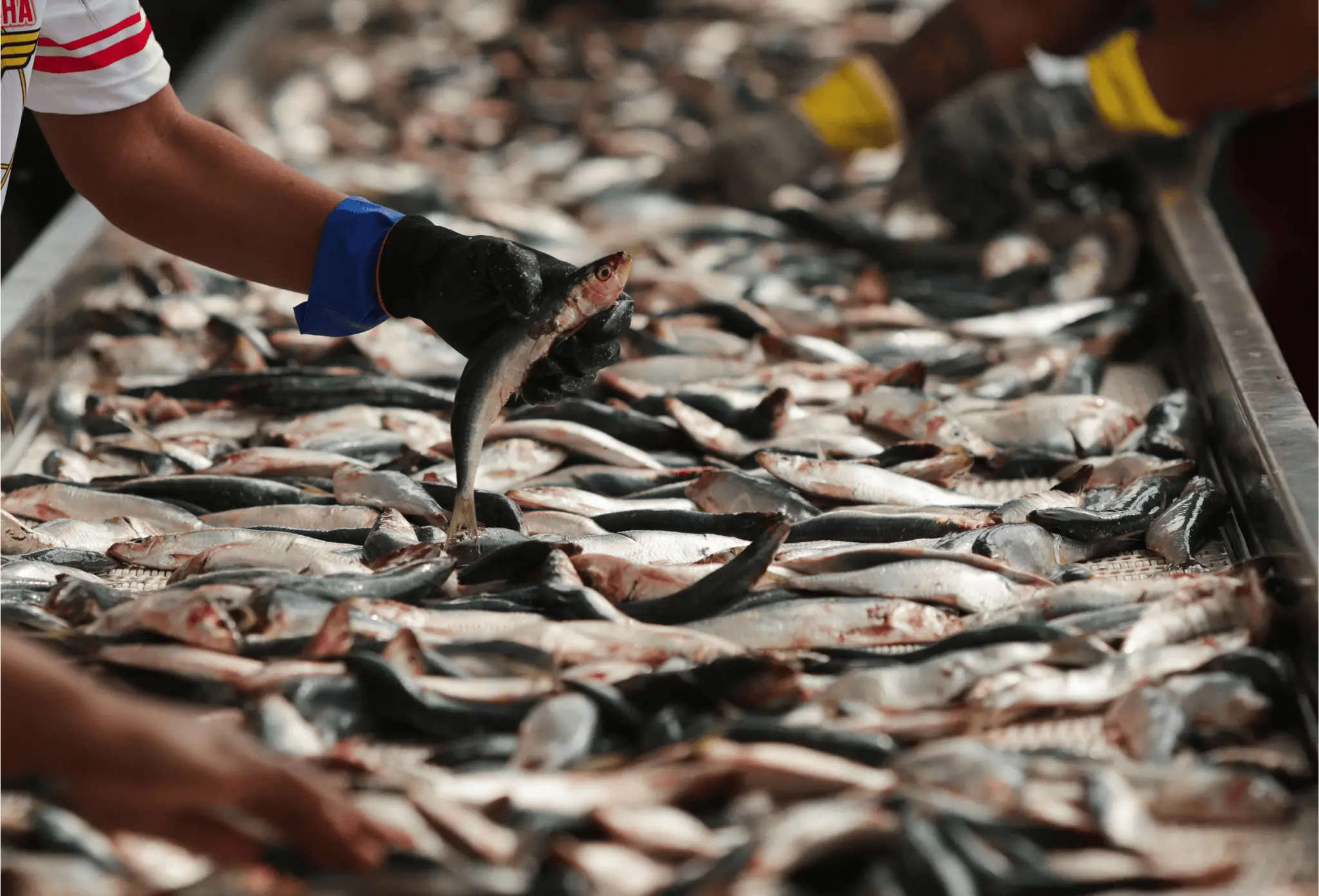
Seafood Sector’s Disappointment Over US Tariff Exclusion
The Brazilian seafood industry has voiced significant frustration following the United States’ decision to exclude it from a list of products with a 40% additional tariff reduction. This exclusion has led to disappointment among industry leaders who were hoping for a more favorable outcome in trade negotiations.
While acknowledging the positive developments for other agricultural sectors, the Brazilian Association of Fish Industries (Abipesca) expressed its discontent. The association’s president, Eduardo Lobo, stated in a note that the seafood sector is not seeing the expected progress or prioritization from the Brazilian government.
This situation comes as US President Donald Trump announced an expansion of exemptions to the 40% tariff for more Brazilian agricultural products. The measure is retroactive, applying to goods cleared for consumption after November 13th. This announcement follows a previous decision to remove a 10% reciprocal tariff on agricultural goods, which had benefited many Brazilian products.
Seafood Industry Feels Left Behind in Trade Negotiations
The exclusion of the seafood sector from the tariff exemptions has generated considerable disappointment. Eduardo Lobo, president of Abipesca, highlighted this sentiment, saying, “We are obviously happy for the sectors that advanced, but frustrated not to see progress and prioritization of seafood by the Brazilian government.” This statement underscores a perceived imbalance in trade policy focus.
The U.S. government’s decision to expand tariff exemptions primarily benefited other agricultural products, leaving the seafood industry to continue facing the additional 40% tariff. This creates a competitive disadvantage for Brazilian seafood exports in the American market.
Retroactive Tariff Exemptions Offer Limited Relief
President Donald Trump’s announcement included a retroactive clause, meaning that goods removed from warehouses for consumption after 12:01 AM New York time on November 13th would be exempt from the additional tariff. This retroactive application aims to benefit a range of agricultural products that were part of the expanded exemption list.
However, this benefit does not extend to the seafood sector, which remains subject to the higher tariffs. The industry had been hopeful that recent trade discussions would lead to a similar exemption for their products, especially given the importance of the seafood export market.
Broader Agricultural Exemptions Contrast with Seafood’s Plight
The expansion of tariff exemptions for Brazilian agricultural products marks a significant development in U.S.-Brazil trade relations. This move, announced on Thursday, November 20th, is seen as a positive step for many farmers and exporters within Brazil.
Just a week prior, President Trump had already removed a 10% reciprocal tariff on agricultural goods. This series of actions has exempted key Brazilian agricultural products from additional taxes when entering the United States, a move that has been widely welcomed by those sectors. The contrast with the seafood industry’s exclusion is stark, fueling the expressed frustration from Abipesca.

Empowering you to master your money with confidence and clarity. On this channel, we break down personal finance—from budgeting basics and saving smarter to debt-free strategies and practical investing—all in easy-to-understand language.
Expect weekly deep dives into real-life financial questions, step-by-step tutorials, and expert insights that make money topics approachable and actionable. Whether you’re building emergency savings, paying off loans, or planning for the future, you’re in the right place to get informed, empowered, and financially confident.