Fed’s Michelle Bowman Calls for Swift Rate Cuts to Protect U.S. Job Market
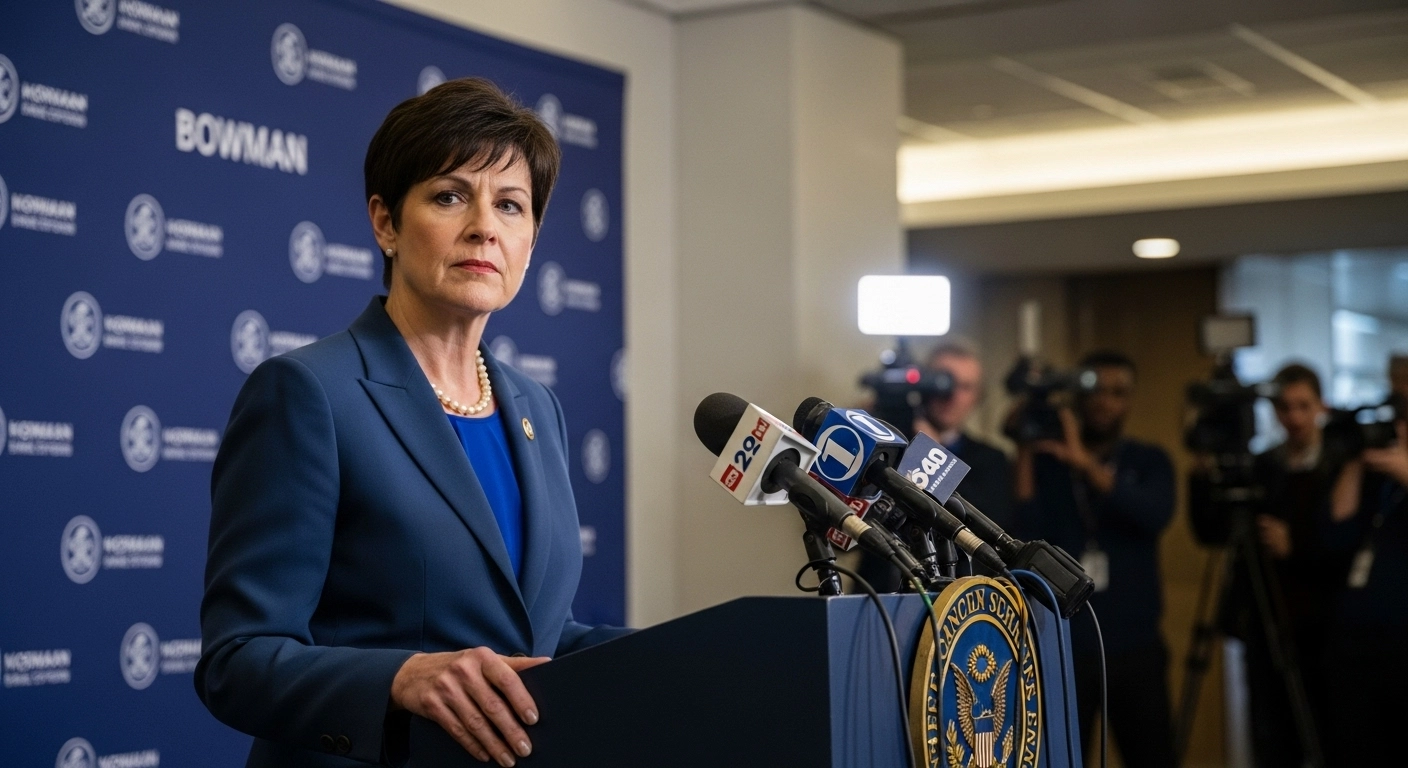
It’s no secret that the American economy often sits at the crossroads between fighting inflation and safeguarding jobs. In a pivotal speech delivered in New York, Federal Reserve Vice Chair of Supervision Michelle Bowman issued a clear warning: without prompt and “decisive” interest rate cuts, the U.S. job market may face even greater risks.
Read on as we break down Bowman’s insights, what they mean for the economy, and how the Federal Reserve is preparing to adapt its policies during these turbulent times.
A Stark Warning for the Labor Market
Bowman’s address to the Forecasters Club of New York came at a moment when economic indicators are showing cracks in the labor market’s recent strength.
“Recent data reveal a materially weaker job market, alongside inflation—excluding tariffs—that hasn’t drifted far from our target,” Bowman explained in her prepared remarks. This signals a major shift in tone, as the Fed typically focuses on price stability. Now, concerns are tilting toward weakening employment figures.
Why Labor Market Health Matters
A thriving job market benefits everyone—driving consumer spending, supporting businesses, and propelling economic growth. Bowman emphasized that the Federal Open Market Committee (FOMC), which steers interest rates, must “act decisively and proactively to address diminishing labor market dynamism and emerging signs of fragility.”
Failing to act swiftly, warns Bowman, could mean the policy response arrives too late to prevent lasting damage. “We run the serious risk of already being behind in addressing the deterioration in labor market conditions,” she cautioned. “If these conditions persist, I’m concerned we’ll need to adjust monetary policy more rapidly and to a greater extent in the future.”
Inflation Still a Concern—but Less So Than Jobs
Inflation remains above the Fed’s desired 2% target, stoking fears of rising prices and eroding purchasing power. However, Bowman made a point to distinguish between headline inflation and those numbers excluding the impact of tariffs.
Wading into contemporary debate, Bowman refuted the idea that tariffs implemented under former President Donald Trump are the main driver of persistent inflation. “When tariffs are eliminated from the equation, price pressures remain just marginally above our goal,” she explained.
With inflation less threatening than feared, Bowman believes it’s crucial the Fed focuses on employment, saying, “[Policy] needs to home in on the side of our mandate now showing signs of weakness—and at this moment, that clearly means supporting the job market.”
The Fed’s Strategy: Tools and Tactics
Federal Reserve policy isn’t just about setting interest rates. The central bank also manages the size and composition of its balance sheet—a behind-the-scenes lever that can influence markets and the economy at large.
Reducing the Balance Sheet
Bowman reaffirmed her preference for a leaner balance sheet, stating she wants to keep the Fed’s holdings “as small as possible, with reserve balances nearer to scarcity rather than abundance.” By slimming down its balance sheet now, Bowman argued, the Fed preserves flexibility for any future shocks.
Short-Term vs. Long-Term Treasuries
As part of this reduction, Bowman advocated for a balance sheet tilted toward short-term U.S. Treasuries, which offers the Fed more agility. Should economic conditions shift, the central bank can easily refocus on longer-term securities without necessarily expanding the total size of its holdings—a crucial tool for avoiding unintended consequences while remaining prepared for the unexpected.
Key Takeaways: What You Need to Know
To summarize, Michelle Bowman’s speech sends an urgent message about the Fed’s priorities:
- Labor Market Warning: Multiple months of data point to worsening employment conditions, making job support a top priority.
- Decisive Action Needed: There’s a risk the Fed is already “behind the curve” in addressing labor market weakness—swift interest rate cuts may be essential.
- Tariff Impact Minimal: Once you disregard tariffs, inflation hovers only slightly above target, reducing pressure for further rate hikes.
- Monetary Policy Shift: The Fed should now direct its focus toward job market health rather than solely fighting inflation.
- Balance Sheet Flexibility: Maintaining a smaller, more liquid portfolio of Treasuries gives the Fed room to maneuver if new challenges arise.
What Does This Mean for American Workers and Investors?
Bowman’s statements mark a significant pivot in the Fed’s approach; they suggest that protecting jobs and keeping the economy humming may soon outweigh inflation concerns. For workers, this could mean an easier path to employment and more stability in the months ahead. For investors and market-watchers, the prospect of lower interest rates usually bodes well for stocks, but also signals underlying caution about the economic outlook.
It’s a delicate balancing act. With every policy decision, the Federal Reserve aims to steer the economy toward steady growth, low inflation, and healthy job creation. Michelle Bowman’s latest comments underscore just how challenging—and crucial—this task remains.
Keep Informed and Take Action
The future direction of Fed policy will impact borrowing costs, job opportunities, and investment decisions across the country. Stay engaged with economic updates and make your voice heard in the public debate about the balance between inflation control and job support.
For those looking to diversify their investments during uncertain times, you can check out this free list of 10 promising small-cap stocks to stay ahead of the market’s next moves.
Don’t miss more crucial updates on the U.S. economy and Federal Reserve policy—stay informed, and stay empowered.

Empowering you to master your money with confidence and clarity. On this channel, we break down personal finance—from budgeting basics and saving smarter to debt-free strategies and practical investing—all in easy-to-understand language.
Expect weekly deep dives into real-life financial questions, step-by-step tutorials, and expert insights that make money topics approachable and actionable. Whether you’re building emergency savings, paying off loans, or planning for the future, you’re in the right place to get informed, empowered, and financially confident.