Argentina’s Inflation Accelerates for Third Straight Month Post-Midterm Election Victory
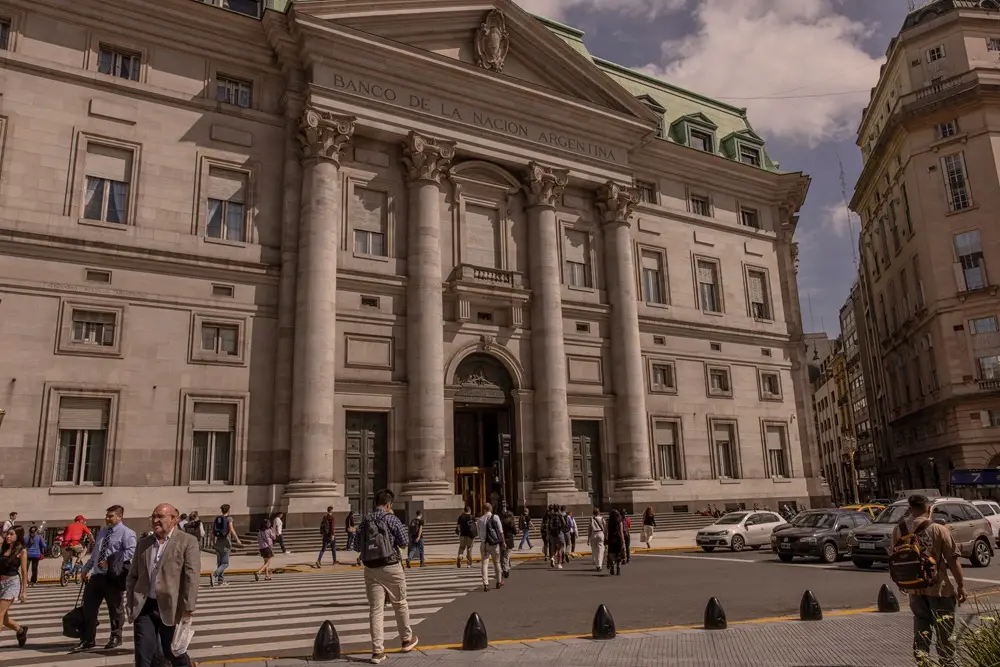
Despite President Javier Milei’s significant win in the midterm elections, Argentina is experiencing a renewed surge in inflation. Consumer prices saw a notable increase in November, signaling ongoing economic challenges for the libertarian leader.
This marks the third consecutive month of accelerating price hikes, with essential goods and services like meat, transportation, and energy leading the upward trend. The latest figures suggest that the economic adjustments are yet to fully stabilize the cost of living for Argentinians.
These economic indicators were released by the government on Thursday, providing a snapshot of the nation’s financial health following a period of electoral uncertainty. The data comes from a Bloomberg report, highlighting the continued pressure on household budgets.
November Inflation Exceeds Expectations
Consumer prices in Argentina rose by 2.5% in November. This figure surpassed the median estimate of economists surveyed by Bloomberg, indicating a stronger inflationary pressure than anticipated. This follows a 2.3% increase recorded in October, demonstrating a persistent upward trend.
The annual inflation rate has now climbed to 31.4%, a slight increase from the 31.3% registered previously. This marks the first uptick in the annual inflation rate since it peaked four months after President Milei took office, according to official government data.
Key Sectors Drive Price Increases
The surge in November’s inflation was significantly influenced by sharp increases in the real costs of fuel, energy, and transportation. These essential services play a crucial role in the daily lives of Argentinians and the broader economy, and their rising prices have a cascading effect.
In contrast to the rising inflation, the Argentine currency, the peso, remained relatively stable in November. This stability is a welcome development compared to the nearly 5% depreciation observed in October, a period marked by significant electoral volatility leading up to the October 26th vote.
Economic Resilience Amidst Turmoil
Despite widespread expectations of an economic contraction in the third quarter, Argentina’s economy showed surprising resilience. A 0.5% monthly growth was recorded in September, a figure that defied analysts’ predictions amidst the prevailing economic turbulence. The national statistics agency has also revised several monthly economic data points upward.
President Milei’s libertarian party secured a decisive victory in the midterm elections, leading to a surge in public bonds and a stabilization of the currency. The newly formed Congress, where Milei’s party holds a minority but significant presence, convened on Wednesday. On Thursday, Milei introduced an ambitious labor reform bill, signaling his commitment to his economic agenda.
Outlook for Argentina’s Economy
Economists surveyed by the central bank predict that Argentina will conclude the year with an annual inflation rate of 30.4%. This forecast suggests a slight moderation from current trends but still represents a significant challenge.
The economic growth forecast for the year has been revised upwards to 4.4%, an increase from the 3.9% projected in the previous month’s survey. This upward revision indicates a degree of optimism regarding the country’s economic recovery, despite the persistent inflationary pressures.

Empowering you to master your money with confidence and clarity. On this channel, we break down personal finance—from budgeting basics and saving smarter to debt-free strategies and practical investing—all in easy-to-understand language.
Expect weekly deep dives into real-life financial questions, step-by-step tutorials, and expert insights that make money topics approachable and actionable. Whether you’re building emergency savings, paying off loans, or planning for the future, you’re in the right place to get informed, empowered, and financially confident.