Facing a low credit score can feel like being trapped in a financial maze, making it difficult to access essential services, secure favorable loan terms, or even rent an apartment. Many individuals in the United States find themselves in this challenging position, often due to past financial missteps, unexpected emergencies, or a simple lack of credit history.
However, having bad credit doesn’t mean your financial future is doomed. In fact, there are specific tools and strategies designed to help you not just survive, but thrive and systematically improve your credit standing. The key lies in understanding and leveraging the right financial products.
This comprehensive guide will walk you through the world of **credit cards for bad credit in the USA**, offering actionable insights and expert advice to help you embark on a path to financial recovery and build a stronger, healthier credit profile. This article draws upon widely accepted financial principles and best practices for credit management in the U.S. market, as widely discussed by leading financial institutions and consumer advocacy groups.
Understanding Bad Credit and Its Impact on Your Life
Before diving into solutions, it’s crucial to grasp what ‘bad credit’ truly means and how it affects your daily life. Your credit score is a numerical representation of your creditworthiness, primarily calculated by models like FICO and VantageScore. A low score signals to lenders that you might be a higher risk borrower.
Generally, a FICO score below 580 is considered poor, while scores between 580 and 669 are fair. These scores are not just arbitrary numbers; they are powerful determinants of your financial opportunities. Lenders, landlords, and even some employers use these scores to assess your reliability.
The consequences of bad credit are far-reaching. You might face higher interest rates on loans, making borrowing significantly more expensive. Securing a mortgage or an auto loan becomes a monumental challenge, and even simple things like getting a cell phone contract or renting an apartment can be difficult or require substantial deposits. It can feel like a constant uphill battle.
Common causes of bad credit range from missed payments and defaulted loans to bankruptcy, foreclosures, and excessive debt. Sometimes, it’s simply a lack of any credit history at all, which can be just as problematic as having a poor one. Understanding these root causes is the first step towards effective credit rebuilding.
The Lifeline: Why a **Credit Card for Bad Credit USA** is Essential
For individuals with a less-than-stellar credit history, a specialized **credit card for bad credit USA** isn’t just another financial product; it’s a vital tool for rehabilitation. These cards are specifically designed to help consumers build or rebuild their credit when traditional credit options are out of reach.
The fundamental principle behind these cards is to provide an opportunity to demonstrate responsible financial behavior. By making on-time payments and managing your credit limit effectively, you show lenders that you can handle credit responsibly, which is then reported to the major credit bureaus.
Over time, this consistent positive reporting can significantly improve your credit score. It’s a gradual process, but a dedicated effort can lead to substantial gains, opening doors to better financial products and opportunities in the future. These cards are a bridge from a challenging financial past to a more secure future.
Secured Credit Cards: Your Best Bet for Rebuilding
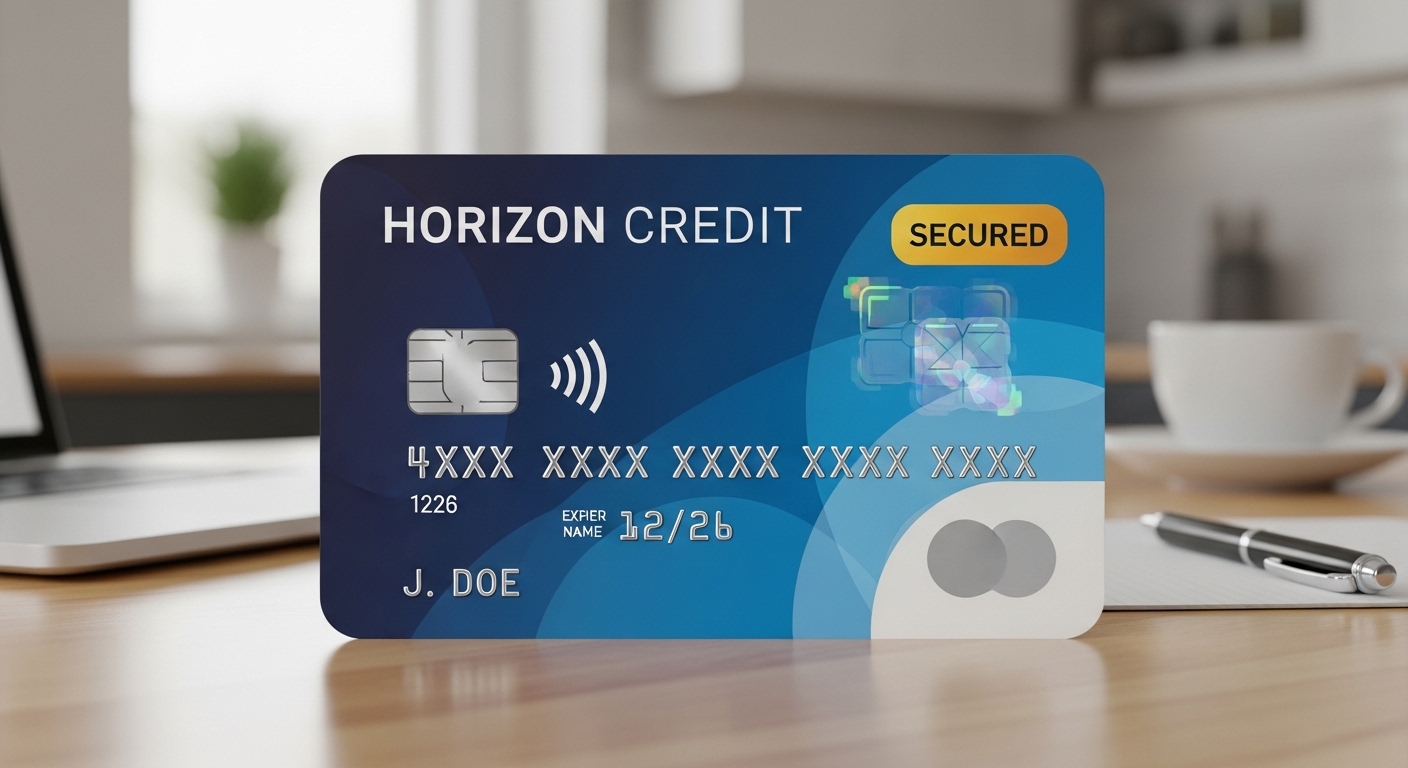
For most people with bad credit, a **secured credit card** is the most accessible and effective starting point. These cards require an upfront cash deposit, which typically serves as your credit limit. For example, if you deposit $300, your credit limit will be $300.
This deposit acts as collateral, significantly reducing the risk for the issuer. Because of this reduced risk, secured cards are much easier to qualify for, even with a very low credit score or no credit history whatsoever. They are a practical entry point into the world of credit.
The crucial benefit is that secured cards function much like regular unsecured credit cards. Your payment activity is reported to the three major credit bureaus – Experian, Equifax, and TransUnion. Consistent on-time payments and low credit utilization on a secured card are powerful signals for credit improvement.
When choosing a secured card, look for one with a low annual fee, a reasonable security deposit requirement, and a clear path to potentially graduating to an unsecured card after a period of responsible use. Always ensure the issuer reports to all three major credit bureaus to maximize your credit-building efforts.
Unsecured Options (with Caution): When They Might Appear
While secured cards are generally recommended, some unsecured **credit cards for bad credit USA** do exist. These are often referred to as subprime cards and come with higher risks and costs. Unlike secured cards, they don’t require a security deposit.
However, they often compensate for the increased risk by charging very high annual fees, monthly maintenance fees, application fees, and extremely high Annual Percentage Rates (APRs). It’s not uncommon to see APRs upwards of 25-30% or even higher, making carrying a balance incredibly expensive.
Another option that might be easier to obtain is a store credit card. These cards are typically easier to qualify for than general-purpose credit cards, even with fair or limited credit. However, their utility is often restricted to purchases within that specific store or brand, limiting their overall flexibility and impact on your general credit profile.
If considering an unsecured card for bad credit, it’s imperative to read the terms and conditions carefully. Calculate all potential fees and understand the true cost of using the card. For many, a secured card remains the safer and more cost-effective route to rebuild credit without falling into a cycle of high-interest debt.
Strategies for Successful Credit Rebuilding
Obtaining a **credit card for bad credit USA** is merely the first step. The real work, and the real reward, comes from using it strategically and consistently to improve your credit score. This requires discipline, understanding, and a commitment to sound financial practices.
Your credit score is primarily influenced by five key factors: payment history (35%), amounts owed (30%), length of credit history (15%), new credit (10%), and credit mix (10%). Focusing on the largest components will yield the quickest and most significant improvements.
By diligently adhering to responsible credit habits, you can steadily increase your FICO and VantageScore, paving the way for better financial opportunities in the future. It’s a journey, not a sprint, but every positive action contributes to your overall financial health.
Responsible Usage: The Golden Rules for Your Credit Card
The cornerstone of credit rebuilding is **paying on time, every time**. Your payment history is the most critical factor in your credit score. A single late payment can significantly damage your score and remain on your credit report for seven years. Set up automatic payments or calendar reminders to ensure you never miss a due date.
Equally important is keeping your **credit utilization low**. This refers to the amount of credit you’re using compared to your total available credit. Financial experts recommend keeping your utilization below 30% of your credit limit. For instance, if you have a $300 limit, try to keep your balance below $90.
High utilization signals to lenders that you might be over-reliant on credit, which can negatively impact your score. Even better, aim to pay your balance in full each month to avoid interest charges and demonstrate excellent financial management. This also means avoiding opening too many new accounts in a short period, as it can temporarily lower your score.
Monitoring Your Progress: Staying Informed and Proactive
Regularly checking your credit reports is a critical component of successful credit rebuilding. You are entitled to a free copy of your credit report from each of the three major credit bureaus (Experian, Equifax, and TransUnion) once every 12 months via AnnualCreditReport.com. Take advantage of this.
Reviewing your reports allows you to track your progress and, more importantly, identify and dispute any errors or inaccuracies. Mistakes on your credit report can unfairly drag down your score, so actively monitor for them. Disputing errors promptly can lead to their removal and a potential boost to your score.
Understanding how your credit score changes is also vital. Many credit card companies and financial services offer free access to your FICO or VantageScore. Regularly checking these scores helps you see the direct impact of your responsible credit behavior and motivates you to continue on your path to financial recovery.
What to Look For in a **Credit Card for Bad Credit**
When selecting a **credit card for bad credit USA**, it’s easy to be overwhelmed by the options. However, focusing on a few key factors can help you make an informed decision that truly supports your credit rebuilding goals. Not all cards are created equal, and some offer much better terms than others.
The right card will not only be accessible but also provide a clear and affordable path to improving your financial standing. Prioritize cards that are transparent about their fees and offer features beneficial to someone looking to establish or re-establish credit. This careful selection process is crucial for long-term success.
Key Features to Prioritize
Firstly, scrutinize the **annual fees**. While some secured cards have no annual fee, others might charge a small amount. Avoid cards with excessively high annual fees, as these can eat into your deposit or make the card cost-prohibitive, especially when you’re trying to save.
Next, consider the **APR (Annual Percentage Rate)**. While the goal is to pay your balance in full each month to avoid interest, life happens. A lower APR means if you do carry a balance, the interest charges will be less punitive. Always be aware of the interest rate, even if you plan to avoid it.
Crucially, ensure the card **reports to all three major credit bureaus**: Experian, Equifax, and TransUnion. If a card only reports to one or two, your credit-building efforts will be less effective across the board. Comprehensive reporting is essential for broad credit score improvement.
Finally, look for a card with a **path to upgrade**. Many secured card issuers will review your account after 6-12 months of responsible use and may offer to convert your secured card into an unsecured one, often returning your security deposit. This is a significant milestone in your credit journey and a sign of trust from the lender.
Rebuilding credit is a marathon, not a sprint. It requires patience, diligence, and a commitment to sound financial principles. By choosing the right **credit card for bad credit USA** and using it responsibly, you are taking powerful steps towards a more secure and prosperous financial future. Stay consistent, monitor your progress, and celebrate every milestone on your path to excellent credit.
FAQ: Common Questions About **Credit Cards for Bad Credit**
What is considered “bad credit” in the USA?
In the United States, a FICO score below 580 is generally considered “poor” or “bad” credit. Scores between 580 and 669 are typically categorized as “fair.” Different lenders may have slightly varying criteria, but these ranges serve as a common benchmark for assessing credit risk.
How long does it typically take to rebuild credit?
Rebuilding credit is a gradual process that varies for everyone. With consistent, responsible use of a **credit card for bad credit** and other positive financial habits, you can often see noticeable improvements in your credit score within 6 to 12 months. Significant improvements can take 1-2 years or more, depending on the severity of your initial credit issues.
Can I get an unsecured **credit card for bad credit USA**?
It is possible to get an unsecured **credit card for bad credit in the USA**, but these often come with very high interest rates, significant annual fees, and other charges. Secured credit cards are generally a safer and more effective option for rebuilding credit without incurring excessive costs or falling deeper into debt.
What’s the main difference between secured and unsecured credit cards?
The primary difference is the requirement of a security deposit. A secured credit card requires an upfront cash deposit that typically acts as your credit limit, making it less risky for the issuer. An unsecured credit card does not require a deposit and is granted based solely on your creditworthiness, making it harder to obtain with bad credit.
Should I close old accounts once my credit improves?
Generally, it’s not advisable to close old credit accounts, especially if they are in good standing. The length of your credit history (average age of accounts) is a factor in your credit score. Closing an old account can shorten your credit history and potentially increase your credit utilization ratio, both of which can negatively impact your score.
How do credit builder loans work with credit cards?
A credit builder loan is a type of loan where you make payments into a savings account, and once the loan is paid off, you receive the funds. These loans are reported to credit bureaus, helping to build payment history. They can be used in conjunction with a **credit card for bad credit** to diversify your credit mix and accelerate your credit rebuilding efforts, showing a broader range of responsible borrowing.
What are common fees associated with **credit cards for bad credit**?
Common fees include annual fees, monthly maintenance fees, application fees, foreign transaction fees, late payment fees, and cash advance fees. Some subprime unsecured cards can have very high combined fees, significantly increasing the cost of using the card. Always review the fee structure before applying.
Is it possible to improve my credit score without a credit card?
Yes, it is possible, though often slower. Strategies include making all loan payments (auto, student, mortgage) on time, using credit builder loans, becoming an authorized user on someone else’s well-managed credit card, and ensuring all negative items on your credit report are accurate and disputed if not. However, a **credit card for bad credit** is often the most direct and effective tool for establishing new positive credit history.
How often should I check my credit report?
You are entitled to a free credit report from each of the three major credit bureaus (Experian, Equifax, TransUnion) once every 12 months via AnnualCreditReport.com. It’s recommended to check at least once a year, or even more frequently through services that offer free credit monitoring, to catch errors and track your progress effectively.
What is a good credit utilization ratio?
A good credit utilization ratio is generally considered to be below 30%. This means you should aim to use no more than 30% of your available credit limit at any given time. For example, if your credit limit is $1,000, try to keep your balance below $300. Lower is always better, with the ideal being to pay off your balance in full each month.

Empowering you to master your money with confidence and clarity. On this channel, we break down personal finance—from budgeting basics and saving smarter to debt-free strategies and practical investing—all in easy-to-understand language.
Expect weekly deep dives into real-life financial questions, step-by-step tutorials, and expert insights that make money topics approachable and actionable. Whether you’re building emergency savings, paying off loans, or planning for the future, you’re in the right place to get informed, empowered, and financially confident.