
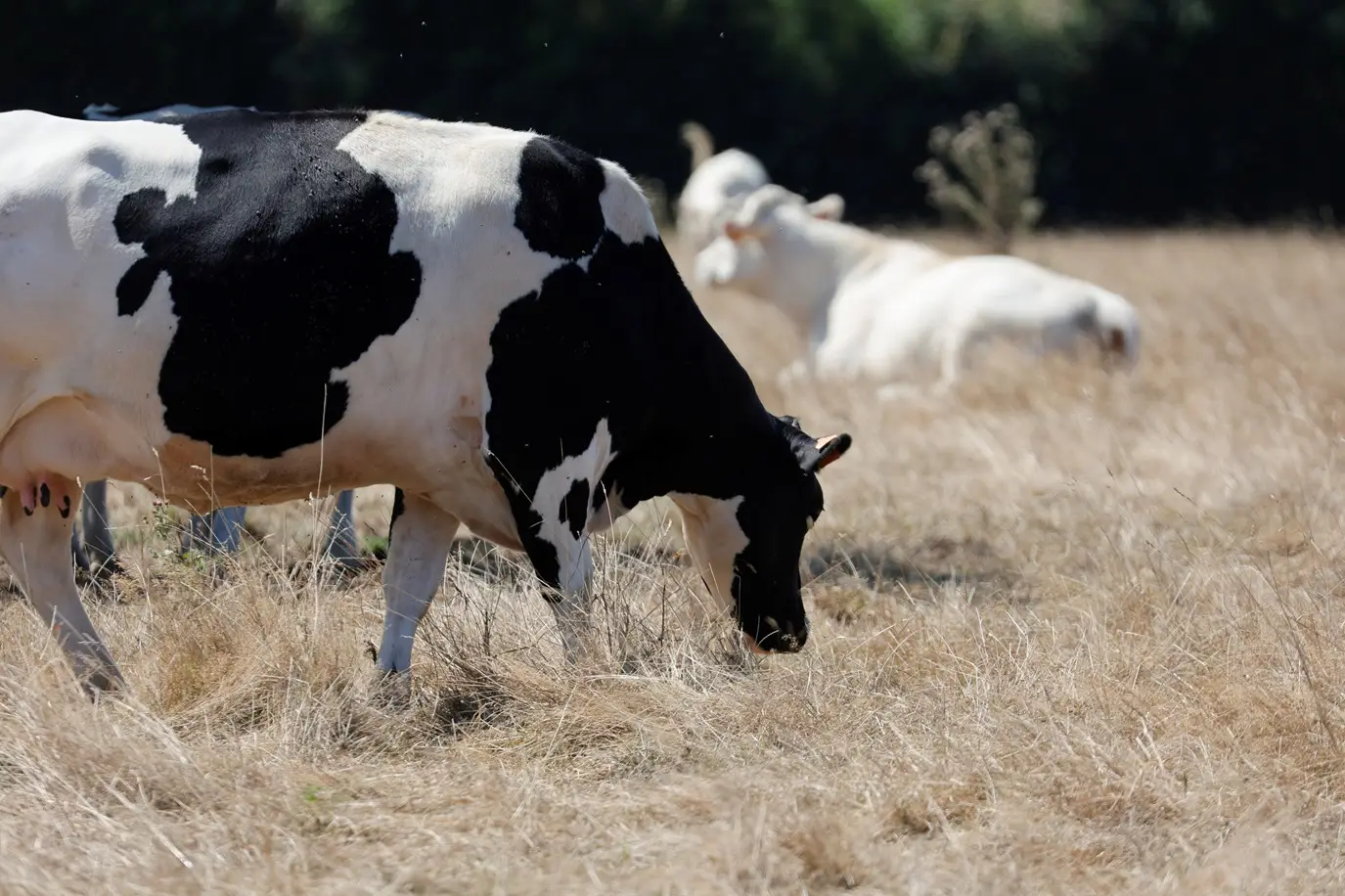
China’s agricultural sector is grappling with a significant challenge as the nation tightens border controls and implements widespread livestock culling in response to an escalating outbreak of Foot-and-Mouth Disease (FMD). This critical development raises immediate concerns for global supply chains and presents a complex landscape for investors and businesses operating within or connected to China’s vast animal husbandry industry.
The rapid spread of FMD, a highly contagious viral disease affecting cloven-hoofed animals, necessitates stringent containment measures. These actions, while crucial for public health and animal welfare, inevitably disrupt production, impact commodity prices, and create ripple effects throughout the interconnected global economy. Understanding the nuances of this crisis is paramount for navigating its financial implications.
This situation unfolds against a backdrop of existing economic pressures within China’s livestock market, including falling meat prices, overcapacity, and subdued consumer demand. As reported by Reuters, the interplay of disease control and pre-existing market conditions creates a volatile environment. As Xu HongZhi, an analyst at PEQUIM Orient Agribusiness Consultants, cautioned, “If there is no good control, livestock prices may fall first and then rise later, with the number of herds falling.” This forecast underscores the potential for significant price volatility and shifts in market dynamics, demanding a proactive and informed approach from stakeholders.
Navigating the Financial Landscape of China’s FMD Outbreak
The outbreak of Foot-and-Mouth Disease (FMD) in China is more than just a veterinary concern; it’s a significant economic event with far-reaching financial implications. The Chinese government’s swift action to reinforce border controls and initiate livestock culling signals a serious threat to its substantial agricultural output. For investors, agribusinesses, and consumers worldwide, understanding the economic underpinnings and potential fallout is crucial for strategic decision-making.
The Economic Impact on China’s Livestock Industry
China’s livestock sector, a cornerstone of its agricultural economy, has been facing a challenging period even before the FMD outbreak. Reports indicate that the industry has been contending with a confluence of factors, including declining meat prices, an oversupply of livestock in certain segments, and a noticeable dip in consumer demand. This pre-existing vulnerability means that the FMD crisis could exacerbate these issues, leading to more pronounced economic disruptions.
The direct costs associated with FMD are substantial. They include the expenses of implementing enhanced biosecurity measures, the economic losses from culled animals, and the long-term costs of restocking and rebuilding herds once the disease is contained. Furthermore, the disruption to the supply chain can lead to temporary shortages of specific meat products, potentially driving up prices for consumers in the short term, even as overall producer revenues may suffer due to reduced herd sizes and increased operational costs.
The analyst Xu HongZhi from PEQUIM Orient Agribusiness Consultants highlights the delicate balance at play. His observation that “livestock prices may fall first and then rise later, with the number of herds falling” points to a potential two-phase market reaction. Initially, the fear and disruption might lead to a glut of animals being sold off, depressing prices. However, as herds are culled and restocking takes time, a future scarcity could drive prices upward significantly. This unpredictable price trajectory poses a considerable risk for **commodity traders**, **food producers**, and **livestock farmers** alike.
Global Trade and Supply Chain Disruptions
China is a major player in the global agricultural trade, both as a significant producer and a massive consumer of agricultural commodities. An outbreak of FMD and the subsequent containment measures can have immediate repercussions on international markets. The reinforced border controls are designed to prevent the spread of the disease beyond China’s borders, but they also impact the flow of agricultural products.
Countries that export livestock, meat products, or animal feed to China may experience a sudden drop in demand or face new import restrictions. Conversely, countries that rely on imports from China for certain agricultural goods might need to seek alternative suppliers, potentially leading to price increases in their domestic markets. This intricate web of global trade means that a localized disease outbreak can quickly evolve into a global supply chain challenge, affecting **import/export businesses** and **international logistics companies**.
The potential for disease transmission across borders is a constant concern for international trade. The effectiveness of China’s containment efforts will be closely monitored by agricultural organizations and governments worldwide. Any perceived weakness in control measures could lead to heightened scrutiny and potentially more stringent trade restrictions, further impacting global agricultural **commerce** and **economic stability**.
Investment Strategies in a Volatile Agricultural Market
For investors, the FMD crisis in China presents both risks and opportunities. The volatility in livestock prices and the disruption to supply chains can create uncertainty, but also potential for **strategic investments** in sectors that may benefit from the situation.
One area of potential interest could be companies involved in **animal health and veterinary pharmaceuticals**. The increased focus on disease control and prevention could drive demand for vaccines, diagnostics, and treatments. Investors might consider companies that are developing or manufacturing new vaccines for FMD or other animal diseases, especially if the current vaccines prove less effective against emerging strains, as suggested by the mention of “new vaccines” in the source material.
Another avenue for investment could be in **alternative protein sources** or companies focused on **sustainable agriculture**. As traditional livestock farming faces challenges, there may be a growing consumer and industry interest in diversifying protein sources and adopting more resilient farming practices. This could include investments in plant-based meat alternatives, lab-grown meat technologies, or innovative feed solutions.
Furthermore, investors might look at companies that can demonstrate strong **risk management** and **supply chain resilience**. Businesses that have diversified their sourcing, implemented robust biosecurity protocols, or have flexible production capabilities may be better positioned to weather the storm and emerge stronger. Thorough due diligence and a deep understanding of specific company operations will be critical in identifying such resilient investments.
The Role of Vaccines and Future Preparedness
The mention of “new vaccines” in the context of FMD outbreaks is significant. The development and efficacy of vaccines are critical tools in controlling and eventually eradicating such diseases. The effectiveness of existing vaccines against current strains of FMD, and the speed at which new or improved vaccines can be developed and deployed, will play a crucial role in determining the duration and severity of the current crisis.
Investment in **research and development (R&D)** for animal vaccines is therefore a key area to watch. Companies that are at the forefront of immunological research for livestock diseases could see increased demand for their products and expertise. This also extends to diagnostic tools that allow for rapid and accurate detection of the virus, enabling quicker responses and more targeted interventions.
Beyond immediate responses, the FMD outbreak serves as a stark reminder of the importance of **global health security** and **pandemic preparedness** within the agricultural sector. International cooperation in disease surveillance, information sharing, and the development of standardized response protocols can mitigate the impact of future outbreaks. For investors, supporting companies and initiatives that contribute to this preparedness can be a long-term strategy focused on **sustainable growth** and **reduced systemic risk**.
Economic Outlook and Consumer Confidence
The broader economic implications of the FMD outbreak are tied to consumer confidence and overall economic stability. While the direct impact is on the agricultural sector, sustained disruptions or widespread concerns about food safety can affect consumer spending patterns and investor sentiment more broadly.
The Chinese government’s efforts to control the outbreak and stabilize the market will be crucial in restoring confidence. Successful containment can lead to a quicker recovery of the livestock sector and minimize broader economic damage. Conversely, a prolonged or poorly managed crisis could dampen consumer sentiment, impacting not only meat consumption but also spending on other discretionary goods and services, thus affecting the overall **economic growth trajectory**.
For financial markets, the situation in China’s agricultural sector adds another layer of complexity to an already dynamic global economic environment. Investors will be closely monitoring government responses, disease control progress, and market reactions to gauge the short-term and long-term economic consequences. This requires a nuanced understanding of **macroeconomic indicators**, **sector-specific analysis**, and **geopolitical factors** that influence global trade and investment flows.
Frequently Asked Questions (FAQ) on China’s Foot-and-Mouth Disease Crisis
Q1: What is Foot-and-Mouth Disease (FMD)?
A1: Foot-and-Mouth Disease (FMD) is a severe, highly contagious viral disease that affects cloven-hoofed animals, including cattle, pigs, sheep, goats, and deer. It is characterized by fever and the formation of blisters, primarily in the mouth and on the feet, leading to reduced feeding, lameness, and significant economic losses due to decreased productivity and trade restrictions.
Q2: Why is China reinforcing border controls and culling livestock?
A2: China is reinforcing border controls to prevent the further spread of FMD within its borders and to prevent its introduction into other countries. Livestock culling is a drastic but often necessary measure to rapidly eliminate infected herds and break the chain of transmission, thereby containing the outbreak and protecting unaffected animal populations.
Q3: How does the FMD outbreak affect meat prices?
A3: The FMD outbreak can lead to complex price fluctuations. Initially, the fear and disruption might cause a temporary glut of animals being sold, potentially lowering prices. However, as herds are culled and restocking takes time, a subsequent reduction in supply can lead to significant price increases for meat products. This makes the market highly volatile.
Q4: What are the global economic implications of this outbreak?
A4: The global economic implications include disruptions to international agricultural trade, potential shortages of meat products in importing countries, and increased prices for consumers worldwide. Countries that export livestock or related products to China may see reduced demand, while those relying on Chinese imports might face supply challenges.
Q5: Are there investment opportunities related to the FMD crisis?
A5: Yes, potential investment opportunities may arise in sectors such as animal health (vaccines, diagnostics, pharmaceuticals), alternative protein sources (plant-based, lab-grown), and companies focused on supply chain resilience and sustainable agriculture. Investors should conduct thorough due diligence.
Q6: How effective are current FMD vaccines?
A6: The effectiveness of FMD vaccines can vary depending on the specific strain of the virus and the vaccine formulation. While vaccines are a critical tool for control, they may not provide complete protection against all strains, and their efficacy can be influenced by factors like the timing of vaccination and herd immunity levels. The mention of “new vaccines” suggests ongoing research to improve efficacy.
Q7: What is the impact on consumer confidence and spending?
A7: A prolonged or poorly managed FMD crisis can erode consumer confidence in food safety and the stability of the agricultural market. This could lead to reduced spending on meat products and potentially impact broader consumer spending, affecting overall economic growth.
Q8: How can businesses mitigate risks associated with FMD outbreaks?
A8: Businesses can mitigate risks by implementing stringent biosecurity measures, diversifying sourcing and supply chains, investing in robust risk management strategies, staying informed about disease developments and government regulations, and exploring alternative protein sources or markets to reduce reliance on potentially affected regions.
Q9: What role does international cooperation play in managing FMD outbreaks?
A9: International cooperation is vital for effective FMD management. This includes sharing epidemiological data, coordinating surveillance efforts, harmonizing trade policies to prevent disease spread while minimizing economic disruption, and collaborating on research and development of control tools like vaccines and diagnostics.
Q10: What does the analyst’s quote about price falls then rises imply for farmers?
A10: The analyst’s quote suggests a challenging period for farmers. They may face immediate financial pressure due to falling prices as the market reacts to the crisis. However, if herd numbers significantly decline due to culling and restocking challenges, farmers who manage to survive this period could potentially benefit from higher prices in the future. This highlights the need for strong financial planning and risk management for farmers.

Empowering you to master your money with confidence and clarity. On this channel, we break down personal finance—from budgeting basics and saving smarter to debt-free strategies and practical investing—all in easy-to-understand language.
Expect weekly deep dives into real-life financial questions, step-by-step tutorials, and expert insights that make money topics approachable and actionable. Whether you’re building emergency savings, paying off loans, or planning for the future, you’re in the right place to get informed, empowered, and financially confident.