Hezbollah Commander Haj Youssef Ismail Hashem Killed in Israeli Operation
In a significant development on the geopolitical and security front, the Israeli military announced on Wednesday the elimination of Haj Youssef Ismail Hashem, a senior commander within the Hezbollah militant group. This action represents a substantial blow to the organization, particularly impacting its operational capabilities on the southern front, a region critical to its strategic positioning against Israel.
The operation, reportedly conducted by Israel’s naval forces, targeted Hashem, who held the crucial position of commander for Hezbollah’s southern front. The announcement was made by military spokesperson Avichay Adraee via a statement on the social media platform X. Hezbollah later confirmed the death of Hashem in its own communication, eulogizing him as a “beacon of Islamic resistance,” underscoring his importance within the group’s hierarchy and narrative.
This targeted killing is being widely regarded as one of the most severe setbacks for Hezbollah since the assassination of its chief of staff, Haytham Ali Tabtabai, in November 2025. The ongoing wave of confrontations between Hezbollah and Israel, which intensified at the beginning of last month, has seen a significant escalation in targeted operations against the group’s leadership.
The Strategic Importance of Hashem’s Command
The loss of Haj Youssef Ismail Hashem is particularly impactful given his role in commanding Hezbollah’s southern front. This region is strategically vital due to its proximity to the Israeli border and its significance in the group’s ongoing military engagements. Hashem’s leadership in this area was crucial for orchestrating operations and maintaining the group’s defensive and offensive postures.
His predecessor, Ali Karaki, was also killed in an Israeli operation in September 2024, alongside the former leader of Hezbollah, Hassan Nasrallah. This succession highlights a pattern of targeted assassinations aimed at decapitating Hezbollah’s command structure. The group, heavily supported by Iran, has faced a sustained campaign of attrition against its senior operatives, particularly in the aftermath of the major conflict with Israel between October 2023 and November 2024.
A senior Hezbollah official, speaking to Reuters, emphasized the gravity of Hashem’s death, stating, “He is a top-tier commander, and this is the hardest blow we have sustained since the assassination of Tabtabai.” This sentiment underscores the deep impact of losing experienced and high-ranking commanders on the group’s morale and operational effectiveness.
A Cycle of Escalation and Its Economic Repercussions
The killing of Hashem is a stark reminder of the fragile nature of the ceasefire that had been in place. Despite the pause in widespread hostilities, Israel continued to target Hezbollah commanders and members throughout Lebanon. The resumption of full-scale combat at the beginning of last month, following Hezbollah’s rocket attacks into Israel and subsequent Israeli retaliation, has plunged the region back into a state of heightened conflict.
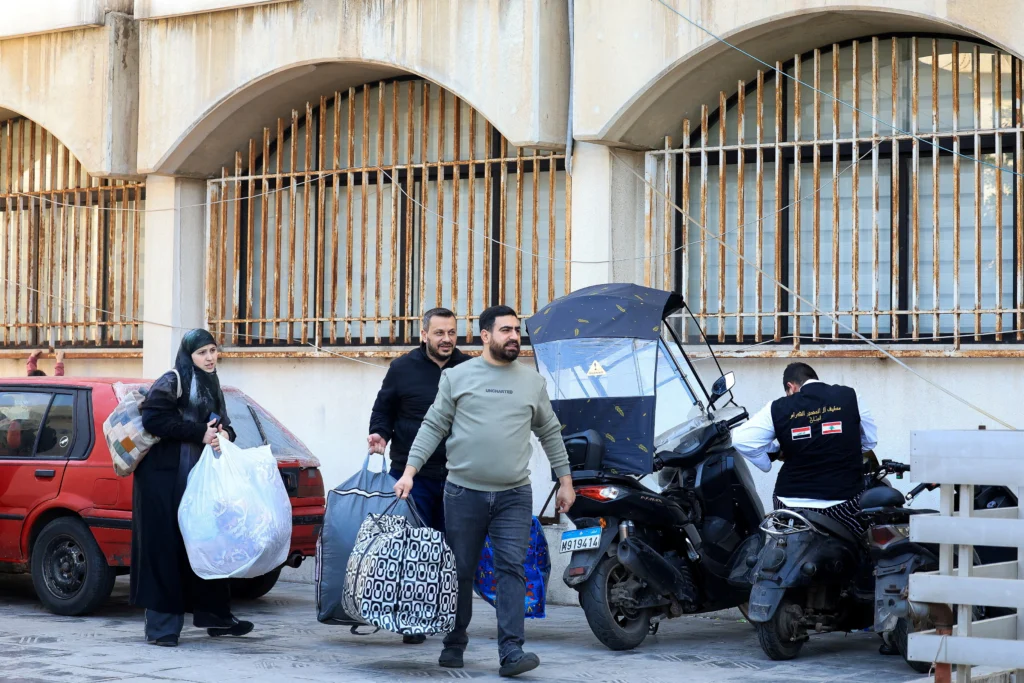
This renewed escalation has had profound humanitarian and economic consequences. According to Lebanese authorities, over 1.2 million people have been displaced from their homes in Lebanon since the conflict reignited. The Israeli airstrikes have resulted in the deaths of more than 1,260 individuals. On the other side, the Israeli military reported the deaths of ten soldiers in southern Lebanon since March 2nd.
The operation that killed Hashem also resulted in casualties among civilians and other combatants, with seven people killed and 26 injured, as reported by Lebanese authorities. The financial markets, though not directly involved in the conflict, are susceptible to the ripple effects of such regional instability. Fluctuations in oil prices, disruptions to trade routes, and increased geopolitical risk premiums can all impact global economic outlooks, affecting investment strategies and the overall **cost of doing business**.
The Broader Context of Iran-Hezbollah Relations and Regional Security
Hezbollah, designated as a terrorist organization by several countries, is a significant proxy for Iran in the Middle East. The group’s military capabilities and political influence are heavily bolstered by financial and military aid from Tehran. The continuous targeting of its leadership by Israel is seen as a strategic effort to degrade Iran’s regional influence and disrupt its network of allied militias.
The assassination of key figures like Hashem and Tabtabai, and previously Nasrallah, aims to dismantle Hezbollah’s operational capacity and undermine its ability to project power. This strategy, while effective in weakening the group’s immediate capabilities, also risks provoking more aggressive responses and further entrenching the conflict, leading to a prolonged period of **economic uncertainty** and increased **defense spending** across the region.
The international community continues to monitor the escalating tensions with concern. The potential for a wider regional war involving multiple state and non-state actors remains a significant risk. Such a scenario would have devastating consequences for civilian populations and could trigger severe disruptions to global energy supplies and international **trade flows**, impacting **global markets** and individual **investment portfolios**.
Financial Market Implications and Investment Strategies in Volatile Times
The ongoing conflict in the Middle East, marked by events like the elimination of senior Hezbollah commanders, introduces a layer of geopolitical risk that investors must carefully consider. While the direct impact on global financial markets might be indirect, sustained regional instability can lead to increased volatility in asset prices, particularly in energy and commodities. Geopolitical tensions often correlate with a rise in **oil prices** and can affect **currency exchange rates**.
For investors, this environment necessitates a robust **risk management strategy**. Diversification across asset classes and geographies remains a cornerstone of prudent investing. In times of heightened geopolitical risk, assets traditionally considered safe havens, such as gold and certain government bonds, may see increased demand. However, it’s crucial to remember that even these assets are not immune to market shocks.
Understanding the interconnectedness of geopolitical events and **economic indicators** is paramount. For instance, prolonged conflicts can disrupt supply chains, leading to inflationary pressures and impacting corporate earnings. This, in turn, can influence **stock market performance** and **bond yields**. Financial professionals often advise a cautious approach, focusing on companies with strong balance sheets and resilient business models that are less susceptible to external shocks.
Furthermore, the ongoing conflict highlights the importance of staying informed about global events and their potential impact on **investment opportunities**. While direct investment in conflict zones is generally ill-advised due to extreme risk, the broader implications for sectors like defense, cybersecurity, and energy can present unique **investment avenues**. However, any such investment requires thorough due diligence and a deep understanding of the associated risks.
The financial landscape is dynamic, and geopolitical events are significant drivers of market sentiment and price movements. A well-informed investor, equipped with knowledge of **macroeconomic trends** and **geopolitical analysis**, is better positioned to navigate the complexities of volatile markets and make informed decisions regarding their **personal finance** and **wealth management**.
The Role of Information in Navigating Financial Uncertainty
In an era of rapid information dissemination, discerning credible news from misinformation is critical, especially when assessing geopolitical events that can influence financial markets. The reports from agencies like Reuters provide valuable insights into the ground realities of conflicts and their potential ramifications. Understanding these developments is not just about staying informed; it’s about protecting and growing one’s **financial assets**.
For individuals and institutions alike, a proactive approach to information gathering and analysis is key. This includes following reputable news sources, consulting with financial advisors, and continuously educating oneself on global affairs and their economic implications. The ability to connect seemingly disparate events – such as a military strike in the Middle East and its potential impact on global **commodity prices** or **emerging market economies** – is a hallmark of sophisticated financial literacy.
The financial world thrives on predictability, or at least a degree of it. Geopolitical instability introduces a significant element of the unpredictable. Therefore, strategies that emphasize **capital preservation**, alongside a long-term perspective on **growth investments**, are often recommended during periods of heightened global tension. This balanced approach helps mitigate risks while still allowing for participation in potential market upside.
Ultimately, the elimination of a senior Hezbollah commander is more than just a military event; it’s a piece of a complex global puzzle that can influence **economic policies**, **international relations**, and individual **financial planning**. Staying abreast of such developments, understanding their context, and adapting investment strategies accordingly are crucial for navigating the financial challenges and opportunities of the 21st century.
Frequently Asked Questions (FAQ)
Q1: What is the primary significance of eliminating a senior commander like Haj Youssef Ismail Hashem for Hezbollah?
Eliminating a senior commander disrupts Hezbollah’s operational command, strategic planning, and morale. It weakens their ability to conduct military operations, particularly on critical fronts like the southern border with Israel, and can lead to a loss of experienced leadership, requiring time and effort to replace.
Q2: How does such a targeted killing affect regional stability?
Targeted killings can escalate tensions and provoke retaliatory actions, potentially leading to wider conflicts. While aiming to degrade an adversary’s capabilities, they often deepen animosity and make diplomatic solutions more challenging, contributing to a prolonged state of regional instability.
Q3: What are the potential economic impacts of renewed conflict in the Middle East?
Renewed conflict can lead to increased oil prices due to supply concerns, disrupt global trade routes, cause currency volatility, and generally increase geopolitical risk premiums, affecting stock markets and investor confidence worldwide. Humanitarian crises also impose significant economic burdens.
Q4: How can investors protect their portfolios during times of geopolitical uncertainty?
Investors can protect their portfolios by diversifying across different asset classes and geographies, focusing on companies with strong fundamentals, considering safe-haven assets like gold or certain government bonds, and maintaining a long-term investment perspective. Robust risk management is crucial.
Q5: What is the role of Iran in supporting Hezbollah, and how does this strike affect that relationship?
Iran is a primary financial and military backer of Hezbollah. Strikes against Hezbollah’s leadership can be seen as attacks on Iran’s regional influence. This might prompt Iran to increase support to compensate or to retaliate through other means, potentially further escalating regional tensions.
Q6: How do events like this influence global financial markets, even if indirectly?
Indirectly, these events influence markets by affecting investor sentiment, commodity prices (especially oil), and the perceived risk of investing in regions linked to the conflict. This can lead to shifts in capital flows and affect the performance of global indices and specific sectors.
Q7: What is the historical context of Israeli-Hezbollah confrontations and targeted assassinations?
Israel and Hezbollah have a long history of conflict, including major wars and numerous smaller skirmishes. Targeted assassinations of leaders have been a recurring tactic by Israel to dismantle Hezbollah’s command structure, dating back to previous conflicts and ongoing operations.
Q8: What steps should individuals take to stay financially prepared for geopolitical shocks?
Individuals should ensure they have an emergency fund, review their insurance coverage, diversify their investments, avoid making impulsive financial decisions based on short-term news, and seek advice from qualified financial professionals to create a resilient financial plan.

Empowering you to master your money with confidence and clarity. On this channel, we break down personal finance—from budgeting basics and saving smarter to debt-free strategies and practical investing—all in easy-to-understand language.
Expect weekly deep dives into real-life financial questions, step-by-step tutorials, and expert insights that make money topics approachable and actionable. Whether you’re building emergency savings, paying off loans, or planning for the future, you’re in the right place to get informed, empowered, and financially confident.