Government Formalizes R$160 Billion FGTS Allocation for 2026 Development Projects
The Ministry of Cities has officially detailed how R$160.5 billion from the **FGTS (Fundo de Garantia do Tempo de Serviço)** will be distributed throughout 2026. These substantial funds are earmarked for critical sectors including housing, basic sanitation, and urban infrastructure, signaling a significant investment in national development.
This strategic allocation, formalized on Monday, December 29th, aims to drive progress and improve the quality of life for millions of Brazilians. The plan outlines specific targets and expected outcomes for each sector, underscoring the government’s commitment to utilizing these resources effectively.
According to information released by the Ministry of Cities, this comprehensive plan is set to create a considerable number of jobs and benefit a vast segment of the population, marking 2026 as a pivotal year for these essential areas. The details were published in the Official Gazette of the Union.
Housing Sector Receives Major Investment Boost
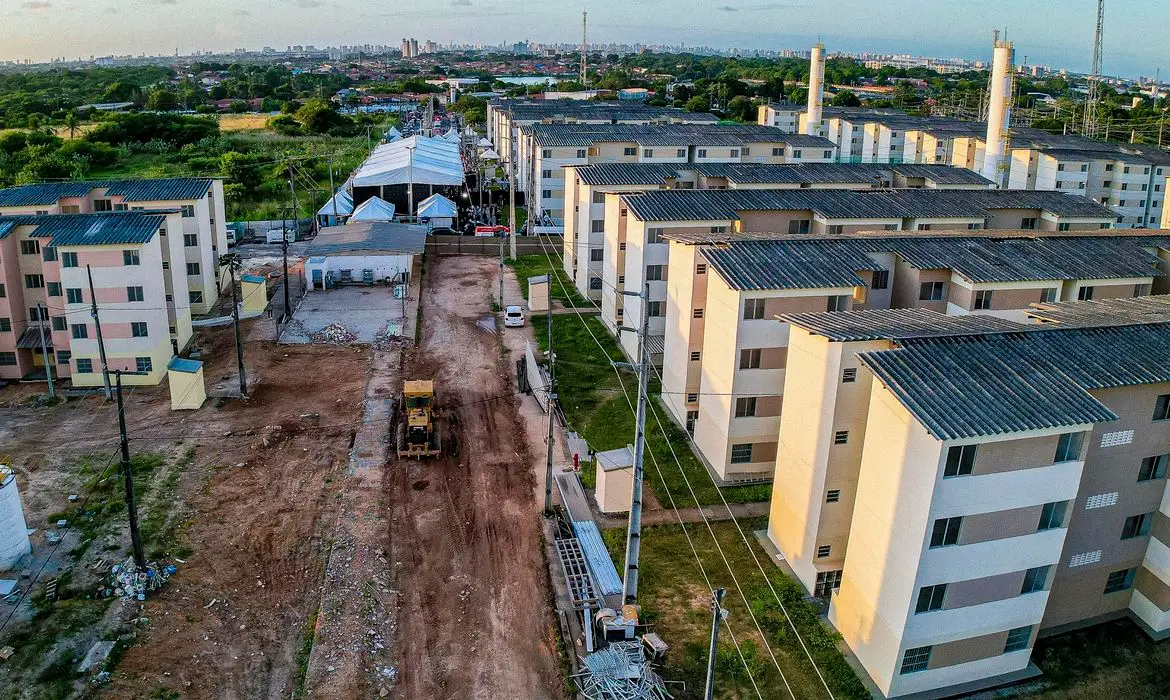
Within the total R$160.5 billion, a significant portion is dedicated to the housing sector. The government has designated up to R$1.5 billion specifically for offering discounts on financing for the acquisition of used homes. This initiative is expected to make homeownership more accessible to a wider range of citizens.
The broader housing sector, as a whole, is slated to receive a substantial R$144.5 billion. This massive investment is anticipated to stimulate the construction industry, create jobs, and address the ongoing demand for adequate housing across the country.
Sanitation and Urban Infrastructure Projects to Receive R$8 Billion Each
In parallel to housing, the government has allocated R$8 billion for basic sanitation projects and another R$8 billion for urban infrastructure development. These investments are crucial for improving public health, environmental quality, and the overall functionality of urban areas.
The sanitation program, in particular, is projected to generate approximately **184,800 jobs**. It is also expected to benefit around **9.3 million citizens** by expanding access to clean water and adequate sewage systems. The Southeast region is set to receive the largest share of sanitation investments, with nearly R$3.4 billion allocated, followed by the Northeast with R$1.8 billion.
Urban Infrastructure Aims to Enhance Mobility and Development
For urban infrastructure, the R$8 billion allocation is expected to drive significant improvements in transportation and urban development. The Ministry of Cities anticipates the creation of roughly **184,000 jobs** from these initiatives.
These infrastructure projects will also benefit an estimated **9.3 million citizens**, encompassing actions within the Urban Development Program (Pró-Cidades) and the Urban Transport and Mobility Infrastructure Program (Pró-Transporte). The focus is on enhancing connectivity, improving public services, and fostering sustainable urban growth.

Empowering you to master your money with confidence and clarity. On this channel, we break down personal finance—from budgeting basics and saving smarter to debt-free strategies and practical investing—all in easy-to-understand language.
Expect weekly deep dives into real-life financial questions, step-by-step tutorials, and expert insights that make money topics approachable and actionable. Whether you’re building emergency savings, paying off loans, or planning for the future, you’re in the right place to get informed, empowered, and financially confident.