
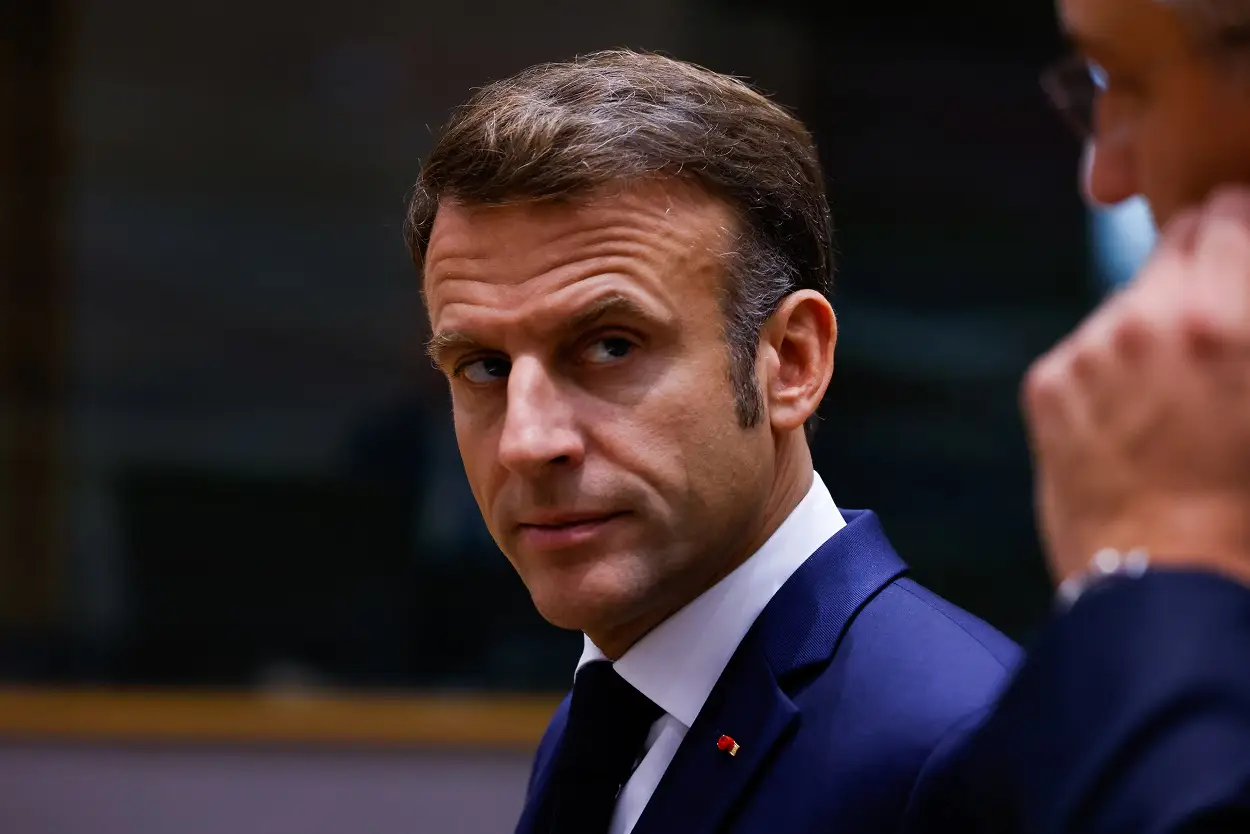
Macron Advocates for Expanded ECB Mandate Beyond Inflation Control
French President Emmanuel Macron is urging the European Central Bank (ECB) to broaden its monetary policy focus beyond its primary inflation target. He believes the ECB should consider factors such as economic growth and financial stability in its decision-making process.
This call for a more comprehensive approach mirrors discussions about the mandates of central banks globally. While the U.S. Federal Reserve has a dual mandate encompassing both price stability and maximum employment, the ECB has traditionally concentrated on maintaining inflation around 2% in the medium term.
Macron’s proposal, previously articulated before last year’s European elections, suggests incorporating growth targets and potentially objectives related to decarbonization. This vision aims to foster a more robust and self-sufficient European economy. The information was reported by Bloomberg.
Concerns Over ECB’s Asset Sales and Euro Strength
According to Les Echos, Macron expressed concern that the ECB’s ongoing sale of government bonds could lead to an increase in long-term interest rates. Such a move, he fears, might dampen economic activity and inadvertently strengthen the euro, potentially impacting trade dynamics.
The ECB has declined to comment on Macron’s statements. However, ECB President Christine Lagarde has previously advocated for “broader and smarter” measures to enhance European integration. She emphasized that a truly unified market would reduce reliance on external factors for growth.
Warning on U.S. Financial Deregulation and Crypto Instability
In the same interview, Macron also voiced apprehension regarding financial risks emanating from the United States. He specifically pointed to the increasing deregulation of crypto assets and stablecoins in the U.S., describing it as a significant potential source of financial instability.
“Our monetary zone and our financial agents need to continue to be protected,” Macron stated. He reiterated Europe’s commitment to remaining a stable zone for monetary policy and reliable investment. This stance underscores a desire for greater European financial sovereignty.
Europe’s Need for Sovereign Debt Issuance
Macron further argued that Europe needs to issue its own debt to provide “safe and liquid assets.” This initiative, he believes, is crucial for bolstering the euro’s position as a reserve currency on the global stage.
The French President also used the interview to call on China to address trade imbalances with the EU, warning of potential tariffs if no action is taken. This highlights a broader concern about global economic rebalancing and Europe’s role within it.
Broader Implications for the Eurozone
The debate initiated by Macron raises important questions about the future direction of the ECB’s monetary policy. A potential shift towards a broader mandate could influence how the bank responds to economic shocks and pursues long-term growth objectives.
By emphasizing the need for Europe to issue its own debt, Macron is also signaling a desire to reduce the dominance of other major currencies, like the U.S. dollar, in international finance. This could be a significant step towards greater financial independence for the Eurozone.

Empowering you to master your money with confidence and clarity. On this channel, we break down personal finance—from budgeting basics and saving smarter to debt-free strategies and practical investing—all in easy-to-understand language.
Expect weekly deep dives into real-life financial questions, step-by-step tutorials, and expert insights that make money topics approachable and actionable. Whether you’re building emergency savings, paying off loans, or planning for the future, you’re in the right place to get informed, empowered, and financially confident.