Alckmin Predicts Economic Surge with Falling Interest Rates
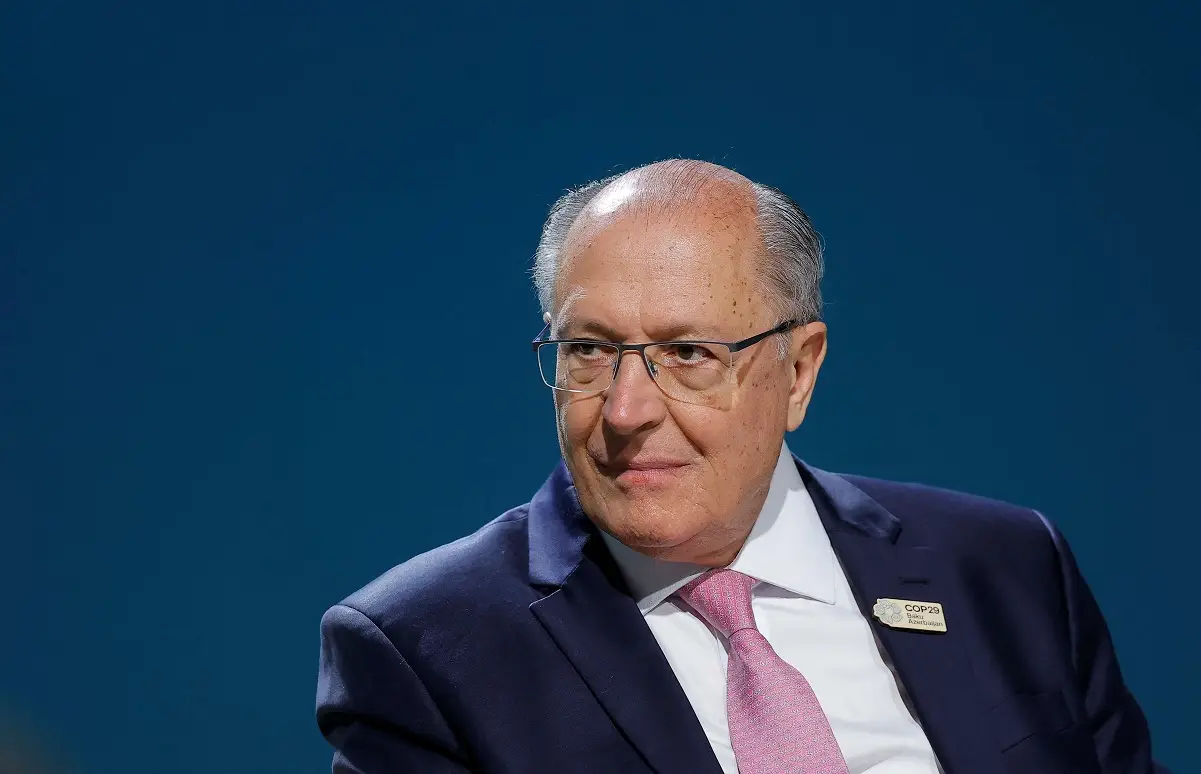
Brazil’s economic outlook appears brighter as the nation anticipates a significant drop in interest rates next year, according to Vice President Geraldo Alckmin. This optimism comes on the heels of a weaker-than-expected 0.1% GDP growth in the third quarter, a performance attributed by Alckmin to the impact of high interest rates.
The Vice President expressed confidence that the economic trajectory will shift upwards. He highlighted that with inflation showing a downward trend, falling below the target ceiling, and the expectation of interest rate reductions, the conditions are ripe for a more robust economic expansion in 2026.
These insights were shared during a brief interview following a luncheon with industry leaders in the electronics sector. Alckmin emphasized that the government is actively working to address economic challenges and foster growth, with falling interest rates being a key driver. This statement aligns with broader market expectations of monetary easing.
Key Factors Driving Down Inflation
Alckmin pointed to two primary reasons for the declining inflation. Firstly, he noted the significant impact of a record harvest, aided by favorable weather conditions, which has led to a substantial decrease in food prices, outperforming the general inflation rate. This is a crucial element for the cost of living for many Brazilians.
Secondly, the Vice President cited the appreciation of the Brazilian Real against the US dollar. He mentioned that the dollar, which had previously traded at higher levels like R$ 6.30 and R$ 5.60, has now fallen to around R$ 5.30. A stronger currency typically helps to lower import costs and can contribute to a more stable price environment.
Interest Rate Cuts Expected to Boost Economic Activity
The combination of falling inflation and a stronger currency creates a favorable environment for the Central Bank to implement interest rate cuts. Alckmin stated that as interest rates decrease, borrowing becomes cheaper for businesses and consumers, which is expected to stimulate investment and consumption, thereby driving economic growth. This is a widely held belief among economists.
The government is also committed to advocating for the removal of U.S. tariffs on Brazilian industrial products. This effort aims to further support domestic industries and enhance Brazil’s export competitiveness, contributing to overall economic health and job creation.
Positive Outlook for 2026
With these factors in play, the government’s projection for 2026 is one of stronger economic performance. The anticipated reduction in the Selic rate, Brazil’s benchmark interest rate, is seen as a critical catalyst for renewed economic vigor. Alckmin’s statements reflect a cautious but optimistic stance on the nation’s economic future.

Empowering you to master your money with confidence and clarity. On this channel, we break down personal finance—from budgeting basics and saving smarter to debt-free strategies and practical investing—all in easy-to-understand language.
Expect weekly deep dives into real-life financial questions, step-by-step tutorials, and expert insights that make money topics approachable and actionable. Whether you’re building emergency savings, paying off loans, or planning for the future, you’re in the right place to get informed, empowered, and financially confident.