
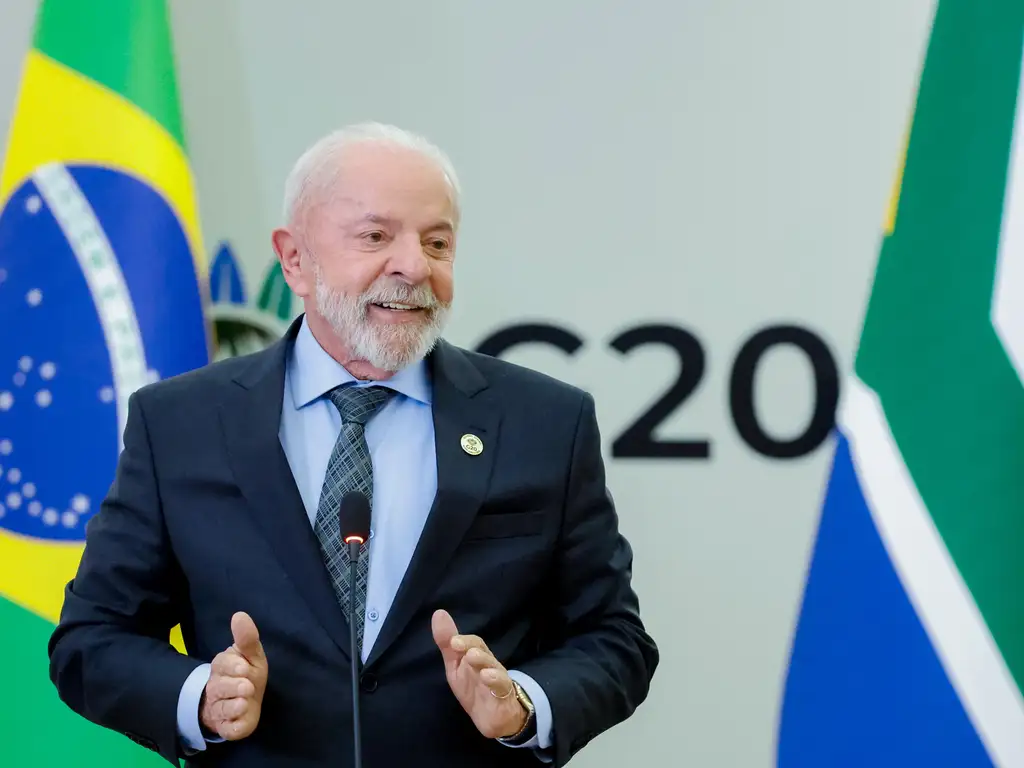
President Luiz Inácio Lula da Silva announced that updated calculations from the Federal Revenue indicate a substantial economic injection of R$ 28 billion. This significant sum is expected to result from the expansion of the income tax exemption threshold, a key policy initiative.
The President highlighted that this financial relief will directly translate into more disposable income for Brazilians. This increased purchasing power, he explained, is anticipated to drive higher consumption, a crucial factor for invigorating the national economy and fostering growth across various sectors.
The measure, which Lula has likened to an “almost 14th salary,” aims to correct tax injustices and empower the middle class and working individuals. The government emphasizes that this policy will not be financed by cuts to essential services like health or education, but rather through increased taxation on high earners.
Boosting the Economy and Creating Opportunities
Lula emphasized that this expansion of the income tax exemption is projected to act as an extraordinary stimulus for commerce, industry, and the service sector. He further stated that this economic uplift is expected to foster entrepreneurship, leading to the creation of more jobs, enhanced opportunities, and increased overall income for the population.
The law formalizing this expanded tax exemption was sanctioned by the President on November 26th and was a central promise during his campaign. These changes are slated to take effect starting in January 2026, marking a significant policy shift.
Addressing Inequality and Rewarding the Majority
The President underscored that the approval of this tax exemption bill was a bipartisan effort, passed unanimously by both the Chamber of Deputies and the Senate. He proudly stated that, for the first time in over a century of income tax in Brazil, the privileges previously enjoyed by a small financial elite are being replaced by tangible benefits for the vast majority of Brazilians.
Lula also took the opportunity to highlight other achievements during his current term, noting that Brazil has reclaimed its position among the world’s ten largest economies. He also pointed out the consistent increase in the minimum wage, which has been rising above inflation, contributing to improved living standards for many.
A Step Towards a More Equitable Future
While acknowledging that Brazil’s inequality has reached its lowest point in history, Lula recognized that the nation remains one of the most unequal globally. He firmly believes that the reform in income tax is a decisive step, albeit the first, towards fundamentally transforming this reality and building a more equitable society for all citizens.

Empowering you to master your money with confidence and clarity. On this channel, we break down personal finance—from budgeting basics and saving smarter to debt-free strategies and practical investing—all in easy-to-understand language.
Expect weekly deep dives into real-life financial questions, step-by-step tutorials, and expert insights that make money topics approachable and actionable. Whether you’re building emergency savings, paying off loans, or planning for the future, you’re in the right place to get informed, empowered, and financially confident.