
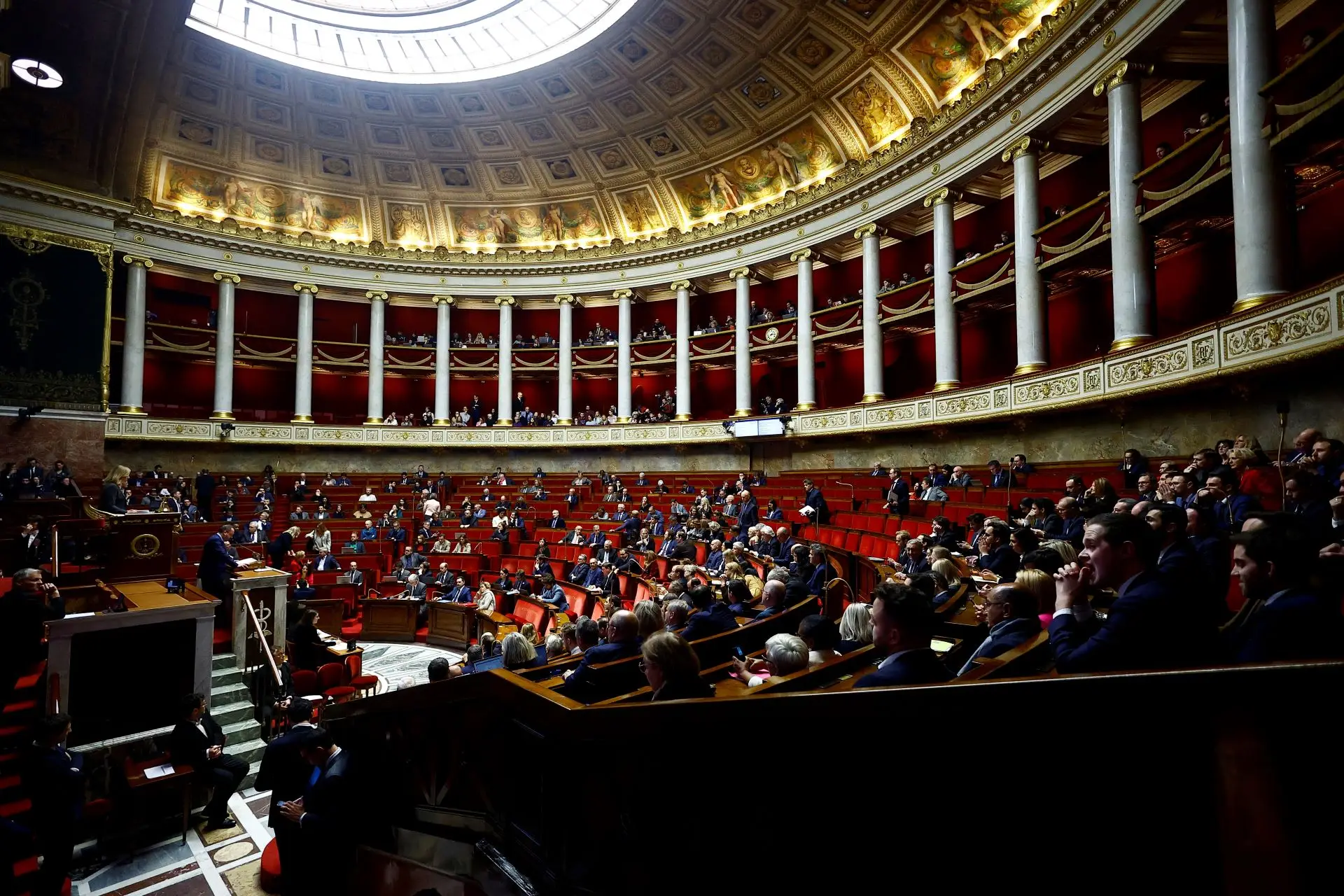
The French National Assembly has once again voiced its strong opposition to the proposed free trade agreement between the European Union and the Mercosur bloc. This renewed stance comes as deputies passed a resolution aimed at establishing a blocking minority within the Council of the European Union, signaling significant internal dissent.
This move by the French Parliament also includes a formal request for the federal government to petition the Court of Justice of the European Union. The objective is to thoroughly assess the Mercosur-EU agreement’s compliance with existing EU treaties, particularly concerning the European Commission’s decision to divide the accord, the established rebalancing mechanism, and adherence to the precautionary principle.
It is important to note that France, acting alone, does not possess the power to unilaterally halt the agreement, which was initially signed in 2024. The formal implementation of the deal requires the approval of both the EU Council, comprising all 27 member states, and the European Parliament.
Despite these parliamentary objections, recent statements from Brazil’s Minister of Foreign Affairs, Mauro Vieira, indicated an expectation that the agreement would be formally signed around December 20th, highlighting the ongoing diplomatic efforts and differing timelines.
The primary concerns articulated by French deputies center on the potential ramifications of liberalizing agricultural trade. They fear that this liberalization could expose French farmers to what they perceive as **unfair international competition**. This is attributed to the prevalence of less stringent environmental and social standards outside the European Union, creating an uneven playing field.
Furthermore, the resolution explicitly states that an increase in greenhouse gas emissions and associated environmental pollution stemming from this trade liberalization is **incompatible with the climate objectives** set forth by both the European Union and France. This point underscores the growing emphasis on environmental sustainability within the bloc’s policy-making.
According to the resolution’s findings, this competitive pressure is expected to drive down prices and significantly increase their volatility. Such market conditions could severely impact the income of local farmers, potentially threatening the viability of small-scale agricultural holdings across France. The survival of these smaller farms is a key concern for French agricultural policy.
The document further argues that opening up to agricultural imports could come at the expense of diversity and quality, which are considered **defining characteristics of French agriculture**. This suggests a broader concern about preserving the unique attributes and high standards of food production that are synonymous with the French agricultural sector.

Empowering you to master your money with confidence and clarity. On this channel, we break down personal finance—from budgeting basics and saving smarter to debt-free strategies and practical investing—all in easy-to-understand language.
Expect weekly deep dives into real-life financial questions, step-by-step tutorials, and expert insights that make money topics approachable and actionable. Whether you’re building emergency savings, paying off loans, or planning for the future, you’re in the right place to get informed, empowered, and financially confident.