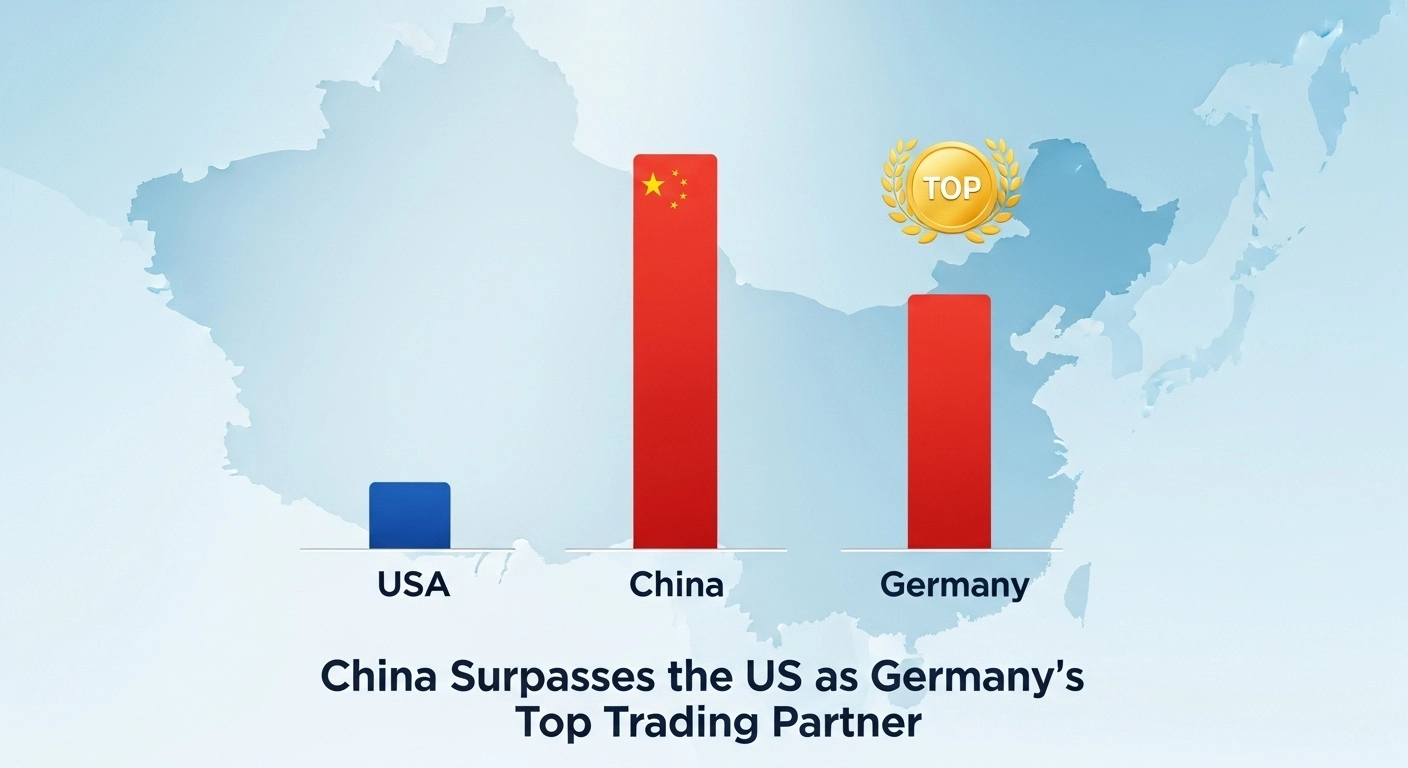
In a world where global trade alliances are constantly being tested and redefined, Germany’s partnerships serve as a fascinating barometer for international commerce. In a significant turn of events during the first eight months of 2025, China has overtaken the United States as Germany’s leading trade partner, according to preliminary data from the German Federal Statistical Office. This change reverses the trend seen in 2024 and highlights how political shifts and economic policies can reshape global trade flows seemingly overnight.
If you have an interest in how tariffs, international relations, and economic strategies impact some of the world’s largest economies, read on as we break down what’s behind Germany’s changing partnerships and what this could signal for the future.
Germany’s Top Trade Partners: The Latest Numbers
Between January and August 2025, the total trade volume—that is, imports plus exports—between Germany and China reached a staggering €163.4 billion. In comparison, trade with the United States totaled €162.8 billion over the same period (source).
To put this shift into perspective:
- In 2024, the United States briefly surpassed China to become Germany’s top trade partner after eight years of Chinese dominance.
- This year, however, China reclaimed its leading position as Germany’s primary trading partner.
These shifts shed light on the ever-changing dynamics of global commerce and the powerful influences of geopolitics and economic policy.
What Sparked This Dramatic Change?
The Tariff Tug-of-War
A major reason behind this reversal is the resurgence of tariff-heavy policies from Washington, particularly with Donald Trump’s return to the White House and his administration’s renewed use of tariffs on imports. As a result:
- German exports to the U.S. dropped by 7.4% in the first eight months of 2025 compared to the previous year, totaling only €99.6 billion.
- The month of August witnessed a particularly steep decline, with exports to the U.S. falling by 23.5% year-over-year.
Dirk Jandura, president of the German Association of Wholesale, Foreign Trade and Services (BGA), stated:
“There is no doubt that U.S. tariff and trade policy is a key reason for the decline in German sales to America.”
Classic German exports — think cars, machinery, and chemicals — have all been affected by these policies and shifts in demand from the American market.
The Chinese Import Surge
While exports to both China and the U.S. dropped, there was a notable uptick in German imports from China:
- Exports to China fell by 13.5% in the first eight months of 2025 (down to €54.7 billion).
- Imports from China rose by 8.3%, reaching €108.8 billion.
Economists like Carsten Brzeski, ING’s Global Head of Macro Research, warn that this import boom is troubling, especially because “these imports are being made at dumping prices.” (Source). This surge in cheaper Chinese goods not only increases Germany’s reliance on China but puts pressure on key German industries where China is now a major competitor.
Key Insights: The Changing Shape of German Trade
Here are five major takeaways from Germany’s shifting trade relationships in 2025:
- China regains its spot as Germany’s top trade partner, reversing the brief U.S. lead in 2024.
- German exports to the United States are declining, mainly due to higher tariffs imposed by the renewed Trump administration.
- Exports to China are falling even faster, but imports from China are climbing—raising economic concerns domestically.
- The trade imbalance with China is growing, increasing Germany’s dependency on Chinese goods, which are often priced below market value.
- Economic uncertainty in Germany is being amplified by these global changes, with major sectors like automotive and machinery facing new pressures.
Implications for German Industry and the Global Economy
Carsten Brzeski cautions that a combination of ongoing tariff threats and a strong euro makes it unlikely that German exports to the U.S. will bounce back soon. Meanwhile, “the new import boom from China is worrisome,” he says. This surge, paired with competitive pricing strategies from China (sometimes bordering on dumping), is affecting the health of vital German industries.
Salomon Fiedler, an economist at Berenberg Bank, adds that in the absence of strong domestic economic growth, “there is anxiety within Germany about any further disruptions to global markets.” This concern is magnified in industries where China is expanding its global influence.
Why Does This Matter?
As the balance of global trade shifts, the repercussions go far beyond Germany. Similar patterns could emerge in other major economies as global supply chains, tariffs, and political posturing continue to evolve. For those with a stake in international business, economics, or policy, keeping a close eye on these trade dynamics is more important than ever.
Conclusion: Navigating the New Age of Trade
Germany’s trade realignment in 2025 is a clear reminder that global economics is a moving target. Tariff disputes, domestic policy updates, and currency fluctuations can quickly overturn longstanding partnerships. This latest shift—where China once again becomes Germany’s foremost trading partner—illustrates the importance of adaptability and strategic foresight in international business.
For businesses and policymakers alike, staying informed and prepared for rapid market changes is key. Don’t let today’s alliances blind you to tomorrow’s opportunities—or challenges.
Want to see how your money could fare in the current economic climate? Check out this free XP simulator tool and get a quick assessment of your financial future.

Empowering you to master your money with confidence and clarity. On this channel, we break down personal finance—from budgeting basics and saving smarter to debt-free strategies and practical investing—all in easy-to-understand language.
Expect weekly deep dives into real-life financial questions, step-by-step tutorials, and expert insights that make money topics approachable and actionable. Whether you’re building emergency savings, paying off loans, or planning for the future, you’re in the right place to get informed, empowered, and financially confident.