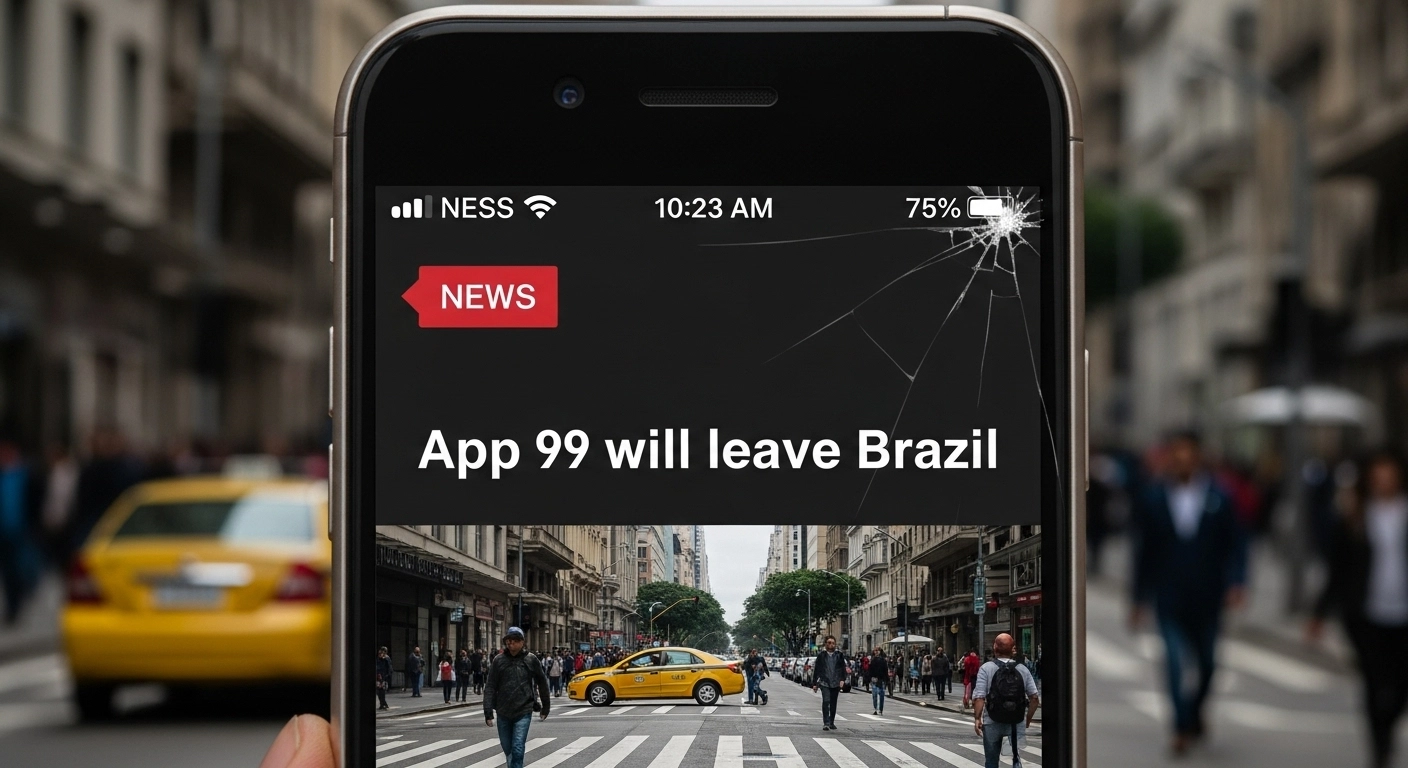
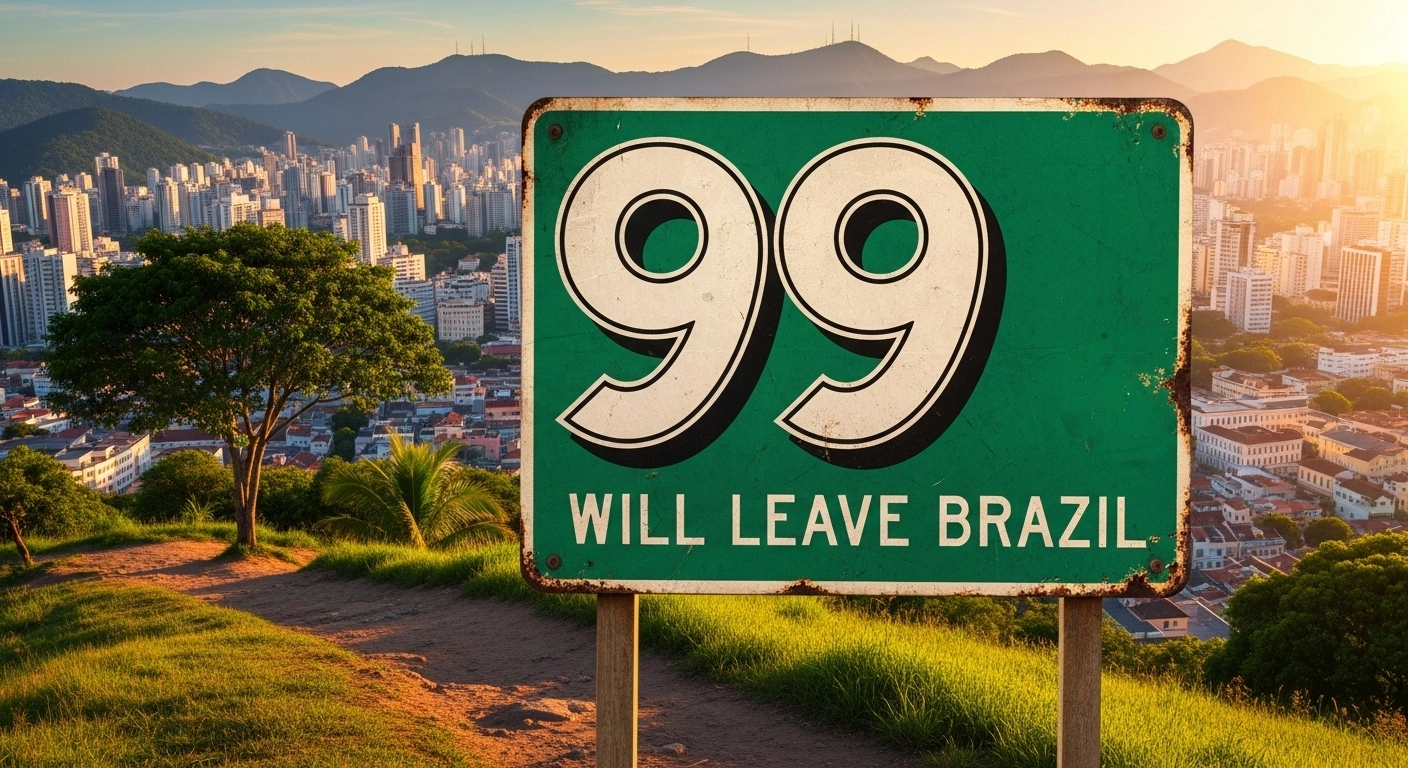
“99” is a major player in Brazil’s ride-hailing, delivery, and super-app ecosystem, owned by the Chinese-based company DiDi. A statement like “99 will leave Brazil” would be big news — it would have wide-ranging implications. Below, we explore what that would entail: causes, potential effects, why it’s unlikely (or possible), and what it means for the market.
Who & What is “99”
-
99 (often styled “99App”) is a Brazilian ride-hailing / mobility platform acquired by DiDi (China) in 2018.
-
It also operates in other services: food delivery (99Food), package delivery, payments (99Pay), etc.
-
In recent times, 99 has been investing heavily in its delivery arm and trying to build a “super-app” model (combining rides, delivery, payment) in Brazil.
What Would It Mean If 99 Left Brazil?
If 99 truly decided to exit the Brazilian market, it could involve some combination of:
-
shutting down operations (rides, deliveries, etc.),
-
withdrawing investment,
-
selling off its Brazilian assets,
-
laying off staff, etc.
Let’s dig into possible causes and consequences.
Possible Causes
-
Regulatory pressure / legal challenges
Government regulation in Brazil may become more restrictive: local laws, safety regulations, labor/workers’ rights, municipal rules (e.g., about motorcycles, licensing), taxes, foreign company restrictions, etc. If compliance becomes too costly, companies may consider exit. -
Intense competition
The delivery / ride-hailing market in Brazil is quite competitive: iFood, Rappi, Uber, local players. If margins are squeezed, or if competitors have strong market advantage (brand, local relationships, contracts), it could make 99 less profitable. Losing market share could push a withdrawal. -
Economic/financial conditions
Currency volatility, inflation, cost of operations (fuel, labor, maintenance), macroeconomic instability can make it very hard for ride-hailing / delivery businesses to stay profitable. If financial returns are low, parent companies might redirect capital elsewhere. -
Strategic reorientation from parent company
DiDi could choose to refocus resources in markets with higher margins, or shift strategy (maybe exit Brazil to focus on SE Asia, China, or other Latin American countries). If Brazil is seen as less strategic or more risky, exit becomes an option. -
Operational or legal risk
Lawsuits, issues with drivers, regulatory non-compliance, safety incidents, or other reputational risks. For example, conflicts with city governments (like São Paulo) over motorcycle taxi services.
Likely Consequences of an Exit
-
Consumers
Less choice in ride-hailing or delivery. Potentially higher prices if competition reduces. Slower or fewer service options in regions where 99 had strong presence. -
Drivers & delivery partners
Loss of income opportunities. Many rely on 99 for work; exit would mean finding alternative platforms or jobs. Possible unpaid obligations (if not properly handled). -
Employees
Local layoffs. Company operations in Brazil include many employees in various areas: customer service, marketing, tech support, operations, etc. -
Competitors gain
iFood, Uber, Rappi, and others would benefit. They could increase market share. But they also may be constrained by regulatory bodies to prevent monopolistic behavior. -
Regulatory & Investor signals
An exit could signal instability for foreign investment in Brazil’s tech / gig economy sector. Might make regulators, investors, and other foreign companies more cautious. -
Market disruption
For services (especially in delivery / logistics), an exit could disrupt supply chains, last-mile logistics infrastructure, and customer expectations.
Why It Might Be Unlikely / What Points Suggest Continuation
On the flip side, there are signs that 99 is doubling down in Brazil, not pulling back:
-
99 has recently restarted its food delivery service (99Food) after previously stopping it, with an investment of R$1 billion.
-
They are planning further investment (they doubled to R$2 billion) to expand operations, reach more cities, build delivery driver support infrastructure, etc.
-
Brazil is important in terms of scale: large user base, many municipalities served (3,300+), and extensive active users / drivers. Exiting would mean giving up much of that.
So, current signals point more toward expansion and competition, rather than exit.
What It Would Actually Take for an Exit
If 99 were to leave, it wouldn’t happen overnight. Some steps might include:
-
gradual shutdown of non-profitable services (delivery, or in certain cities)
-
selling assets / operations to a local competitor, or transfer of operations (for example, selling the delivery arm)
-
migration of users / drivers to other apps
-
dealing with regulatory and legal obligations: contracts, labor laws, taxes, etc.
-
announcements (to reduce reputational damage) and winding down operations in an orderly fashion.
Possible Scenarios / Speculations
Here are some hypothetical scenarios:
-
Partial exit: 99 could pull out of the delivery business again, focusing only on ride-hailing, payments, or other services. This happened previously: 99Food was discontinued then restarted.
-
Exit from certain cities: Maybe difficult markets (smaller towns, places with stricter regulation) are less cost-efficient and might be dropped.
-
Merge or sales: 99 may be sold to a local company, or merge some of its operations with rivals.
-
Scaling back investments: instead of a full exit, they could slow down new investment, limit expansion, reduce costs (layoffs, etc.) to make operations more efficient.
What Audiences Should Watch For
If you’re an investor, user, driver, or policymaker, these are signs to monitor to see if 99 is leaning toward exit:
-
Public statements from 99 / DiDi about pull-back or reducing presence.
-
Layoffs or shutting down operations in certain regions.
-
Reduced investment or delays in expansion plans.
-
Legal / regulatory rulings adverse to 99 (e.g. bans, stricter rules).
-
Financial performance reports: if losses are mounting.
-
Market share erosion: if major competitors are growing faster.
The phrase “99 will leave Brazil” would be dramatic, but as of the latest evidence, it seems more speculative than concrete. On the contrary, the company is currently reinvesting heavily, relaunching delivery, expanding its services, and trying to become a more integrated “super-app.”

Empowering you to master your money with confidence and clarity. On this channel, we break down personal finance—from budgeting basics and saving smarter to debt-free strategies and practical investing—all in easy-to-understand language.
Expect weekly deep dives into real-life financial questions, step-by-step tutorials, and expert insights that make money topics approachable and actionable. Whether you’re building emergency savings, paying off loans, or planning for the future, you’re in the right place to get informed, empowered, and financially confident.