Rebuilding credit after bankruptcy is crucial for restoring financial health and achieving future goals, best credit cards for fair credit scores such as home ownership or securing better loan rates.
 Individuals with fair credit scores can access a variety of financial products designed to help them improve their credit scores while navigating life post-bankruptcy. This article will delve into the best credit cards suited for those looking to rebuild their credit, effective strategies for enhancing one’s financial standing, and emerging trends in the credit industry.
Understanding Bankruptcy and Its Credit Implications
Bankruptcy is a legal process that allows individuals to resolve their debts and obtain a fresh start financially. However, it significantly impacts credit scores, often resulting in lower ratings that can take years to recover from. Upon filing for bankruptcy, a consumer’s credit score can drop by substantial points, leading to challenges in obtaining new credit and higher interest rates. It is essential to understand that while bankruptcy provides relief, the path to rebuilding credit requires proactive measures and strategic financial decisions.
The first step in the recovery process is acknowledging the decrease in credit score and understanding how it affects financial opportunities. For instance, a credit score below 650 may limit options to secure loans or credit cards and can also increase insurance premiums. Knowing these facts motivates individuals to adopt effective rebuilding strategies. As we explore options, readers will gain insights into how to improve their credit score effectively, ultimately leading to better financial opportunities.
Choosing the Right Credit Card for Fair Credit Scores
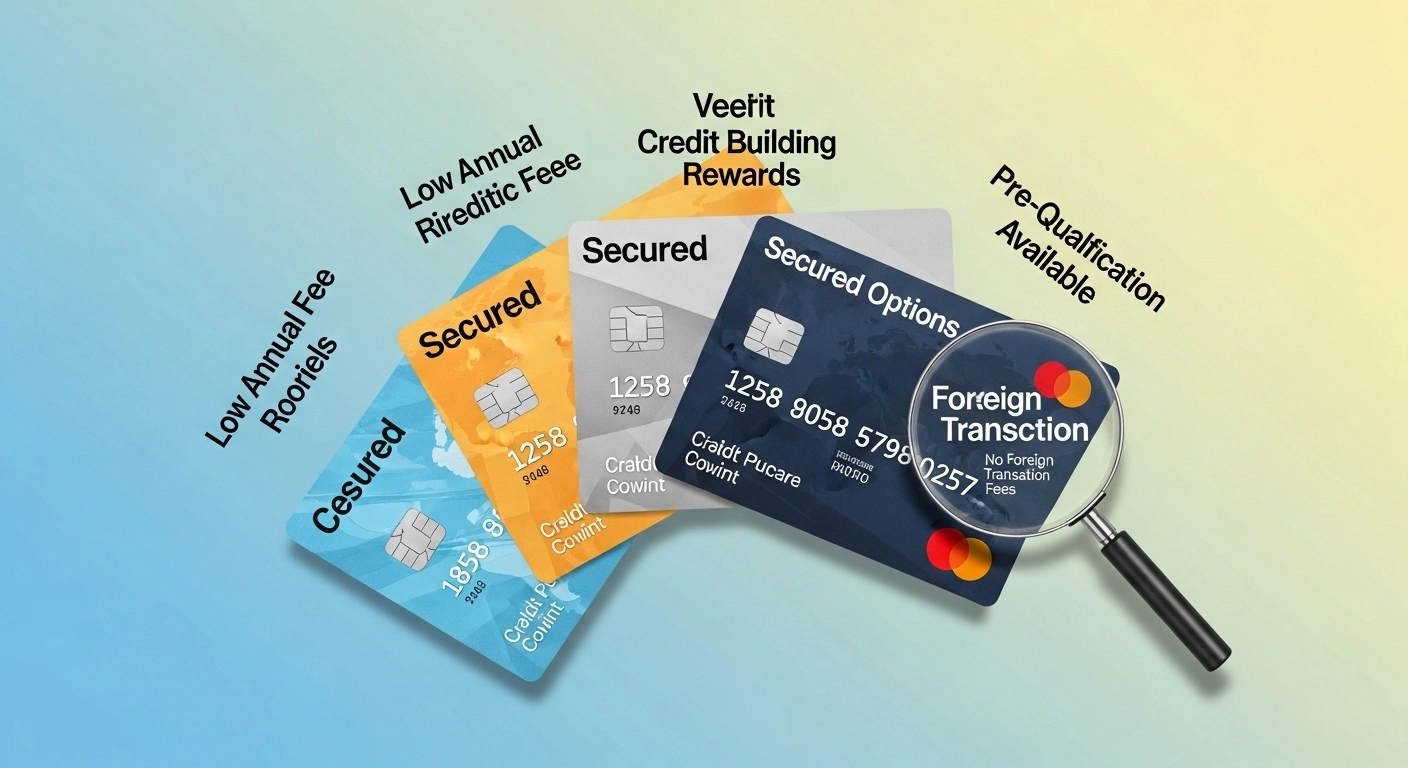
For individuals with fair credit scores, selecting the right credit card can provide a significant boost in rebuilding credit. Many credit card issuers offer specific products targeted at those with less-than-perfect credit. These cards typically have higher fees and interest rates but are designed to assist in re-establishing creditworthiness. The most common types include secured credit cards, unsecured cards for fair credit, and store credit cards.
- Secured Credit Cards: Require a cash deposit that serves as your credit limit. Examples include the Capital One Secured Mastercard.
- Unsecured Cards: Options like the Discover it® Secured Credit Card offer rewards while building credit.
- Store Credit Cards: Can be easier to qualify for but often have higher interest rates.
When selecting a card, consumers should consider fees, rewards, and terms, ensuring the choice aligns with their financial habits. By responsibly using these cards and making timely payments, individuals can gradually improve their credit scores and transition to better credit products.
Strategies for Rebuilding Credit Successfully
Rebuilding credit after bankruptcy requires diligent planning and consistent financial management. Here are several actionable strategies that can facilitate this journey:
- Consistent Payment History: Making payments on time demonstrates reliability. Payment history accounts for 35% of your FICO score, making it the most significant factor.
- Maintain Low Credit Utilization: Keep credit utilization below 30% of your total available credit. If your card limit is $1,000, do not exceed a balance of $300.
- Regularly Check Your Credit Report: Ensure accuracy by reviewing your credit reports frequently. Dispute any inaccuracies with the credit bureaus.
Implementing these strategies fosters a positive credit profile. Additionally, enrolling in credit counseling can provide personalized guidance tailored to individual financial situations. By understanding and applying these techniques, readers can begin to see improvements in their credit scores over time.
Emerging Trends in Credit Repair
The financial landscape is continually evolving, with innovative tools and resources that aid in credit repair and management. One notable trend is the rise of fintech solutions designed for consumers seeking to rebuild their credit. Apps like Credit Karma and Ramsey Solutions offer tailored advice and free credit score tracking, empowering users to make informed financial decisions.
Furthermore, educational platforms are becoming increasingly prevalent, providing workshops and resources to help individuals understand credit fundamentals. For example, the MyFICO website offers educational courses on improving credit scores while explaining the complexities of credit reports. Recognizing these trends allows consumers to leverage current tools and strategies effectively, ensuring a robust approach to credit rebuilding.
Benefits of Rebuilding Credit
Rebuilding credit after bankruptcy yields a plethora of benefits that extend beyond mere numerical improvement. A better credit score opens doors to lower interest rates and improved loan terms, which can save thousands in potential costs. Additionally, with a higher credit rating, securing housing, and employment opportunities becomes significantly easier, as many landlords and employers conduct credit checks.
| Benefit | Description |
|---|---|
| Lower Interest Rates | Consumers can qualify for loans with more favorable rates, resulting in lower monthly payments. |
| Better Credit Products | Individuals can access premium credit cards with rewards and benefits. |
| Increased Approval Chances | A higher score improves the likelihood of loan approvals for mortgages and auto loans. |
Beyond financial perks, the emotional relief of improved financial standing cannot be overstated. Individuals often experience increased confidence and reduced anxiety regarding their financial futures. By fully understanding and embracing these benefits, readers can remain motivated as they work toward credit recovery.
Common Misconceptions About Credit Rebuilding
With numerous myths surrounding credit rebuilding, it is important to clarify these misconceptions for informed decision-making. A prevalent myth is that bankruptcy permanently ruins credit. While it does have a lasting impact, individuals can rebuild their credit over time with strategic actions. Another misconception is that all credit cards are detrimental; in reality, responsibly used credit cards are a primary tool for improving credit scores.
- Myth 1: Bankruptcy stays on your credit report forever. Reality: It typically remains for 7-10 years but its impact lessens over time.
- Myth 2: You cannot rebuild credit after bankruptcy. Reality: Many options exist to improve credit ratings.
- Myth 3: Closing old accounts will boost your credit score. Reality: Keeping older accounts open can benefit your credit history length.
Addressing these misconceptions helps consumers approach their credit rebuilding efforts with realistic expectations and effective strategies.
Frequently Asked Questions (FAQs)
As individuals embark on their journey to repair their credit, several questions frequently arise. Here are some answers to common inquiries:
- How long does it take to rebuild my credit after bankruptcy? Typically, it can take several months to a few years to see significant improvement depending on several factors.
- What are the first steps in rebuilding credit? Start by obtaining your credit report, understanding its contents, and applying for a secured credit card.
- Can I get a mortgage after bankruptcy? Yes, but it may require waiting a few years and showing a solid payment history.
- Are there credit repair companies that can help? While some companies offer services, consumers can often achieve better results on their own.
- Are all credit cards the same? No, cards vary significantly in terms, fees, and benefits.
Rebuilding credit after bankruptcy is not only possible but can lead to a healthier financial future. By selecting the right credit products, employing effective strategies, and leveraging current trends in credit repair, individuals can regain control over their financial lives. Remember, the journey toward credit improvement requires patience and persistence; each positive step taken brings you closer to achieving your financial goals. Embrace these insights and embark on your path to financial recovery today!

Empowering you to master your money with confidence and clarity. On this channel, we break down personal finance—from budgeting basics and saving smarter to debt-free strategies and practical investing—all in easy-to-understand language.
Expect weekly deep dives into real-life financial questions, step-by-step tutorials, and expert insights that make money topics approachable and actionable. Whether you’re building emergency savings, paying off loans, or planning for the future, you’re in the right place to get informed, empowered, and financially confident.