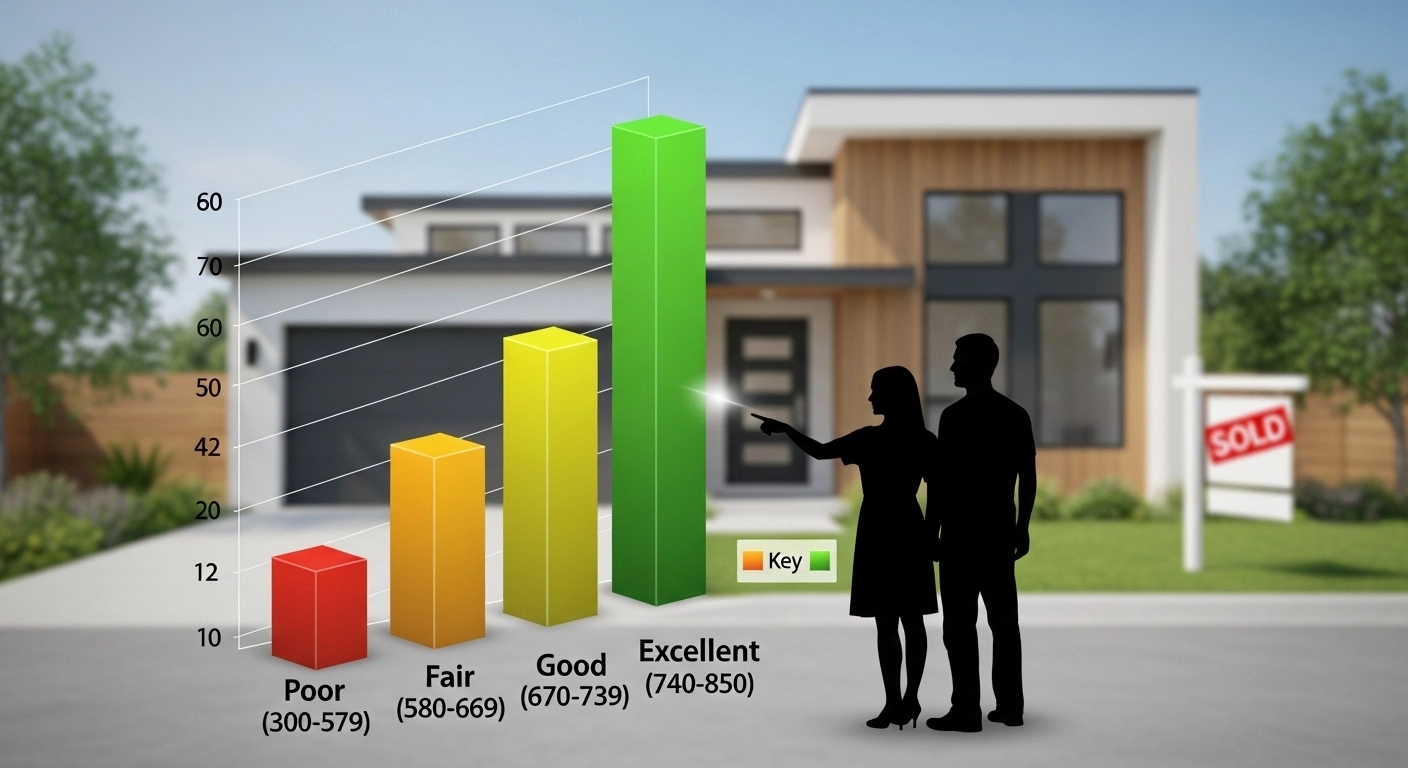
What is a good credit score when buying a house, Understanding the impact of credit scores on the home-buying process is essential for prospective homeowners. A good credit score can lead to better mortgage rates, lower costs, and overall smoother transactions.
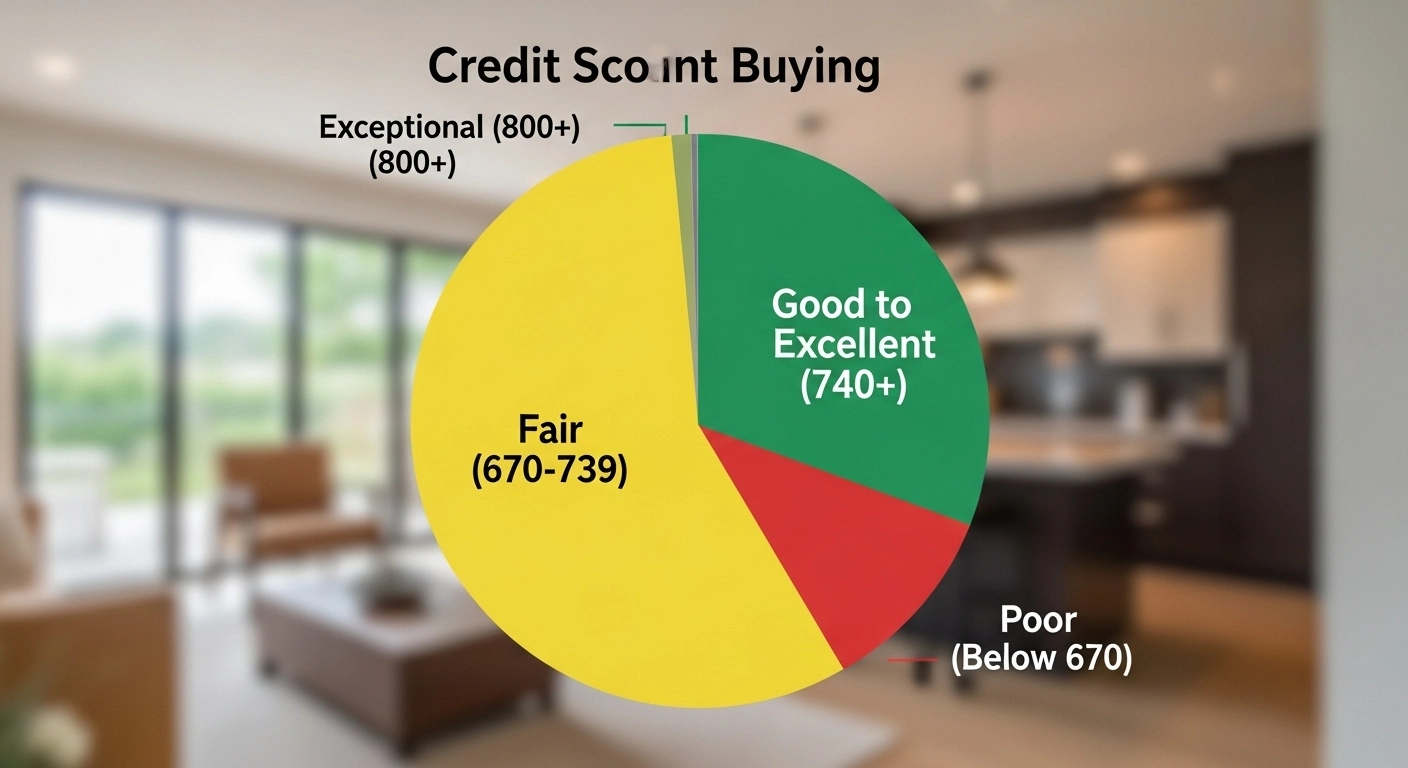
The Importance of Good Credit Scores in Home Buying
In this article, we will explore what constitutes a good credit score, how it affects your ability to purchase a home, and provide actionable insights for improving your credit health as you navigate this significant financial step. Whether you are a first-time buyer or looking to upgrade, knowledge of credit scores will empower you to make informed decisions. Let’s delve into the details.
Defining Good Credit: What Is It?
A good credit score typically ranges from 700 to 749 on the FICO scale, which is the most widely used credit scoring model. Scores above this range are considered excellent, while scores below it may hinder the mortgage approval process. Credit scores influence lenders’ perceptions of risk; higher scores indicate responsible credit management, increasing your chances of securing favorable mortgage terms.
Various factors contribute to your credit score, including your payment history, amounts owed, length of credit history, types of credit in use, and new credit inquiries. To understand how these components work together, let’s break them down:
- Payment History (35%): Timely payments boost your score, while late payments can significantly harm it.
- Amounts Owed (30%): This reflects your credit utilization ratio, the amount of credit you’re using relative to your limits.
- Length of Credit History (15%): Longer histories can demonstrate reliability.
- Types of Credit (10%): A mix of credit types (credit cards, mortgages, installment loans) can enhance your score.
- New Credit (10%): Multiple new credit applications in a short period can negatively impact your score.
Understanding these factors will not only help you assess your current credit health but also guide you toward strategies for improvement as you prepare to buy a home.
How Good Credit Affects Home Buying
When it comes to home buying, your credit score acts as a crucial determinant in several ways. Lenders use your score to assess risk and determine the interest rates and terms of your mortgage. A higher credit score can result in lower interest rates, which translates to significant savings over the life of a mortgage. For example, a 1% difference in interest rates can mean thousands of dollars in additional payments over decades.
Moreover, a good credit score opens up more loan options. For instance, Federal Housing Administration (FHA) loans are available for those with lower credit scores, but many conventional lenders require at least a 620 score for approval. Therefore, knowing what constitutes a good credit score to buy a house is crucial for optimizing your options.
Ultimately, having a good credit score not only boosts your chances of securing a loan but also impacts the amount you can borrow and the overall affordability of your dream home. Understanding the correlation between credit scores and home buying will enable you to take proactive steps to enhance your financial standing.
Checklist for Improving Your Credit Score Before Buying a Home
Improving your credit score requires a strategic approach. Here is a checklist to guide you through the essential steps:
- Order a copy of your credit report from AnnualCreditReport.com.
- Check for any inaccuracies and dispute them with the credit bureau.
- Pay all your bills on time to enhance your payment history.
- Reduce outstanding debt to improve your credit utilization ratio.
- Avoid opening new credit accounts before applying for a mortgage.
- Keep old credit accounts open to maintain a long credit history.
- Consider credit repair services if you need expert guidance.
By following this checklist, you can systematically enhance your credit profile and better position yourself for a successful home-buying experience.
How to Calculate the Cost of Credit: A Comparison Table
| Credit Score Range | Interest Rate (%) | Monthly Payment on a $250,000 Mortgage | Total Interest Paid Over 30 Years |
|---|---|---|---|
| 760 – 850 | 3.0 | $1,054 | $139,000 |
| 700 – 759 | 3.5 | $1,122 | $158,000 |
| 660 – 699 | 4.0 | $1,193 | $177,000 |
| 620 – 659 | 5.0 | $1,342 | $224,000 |
This table illustrates the impact of different credit scores on interest rates and overall costs of home ownership. As seen, even a small increase in your credit score could lead to substantial savings over time.
Real-World Implications: Case Studies
Let’s delve into some real-world examples that showcase how credit scores can alter home-buying experiences:
1. **Case Study: The First-Time Homebuyer** – Jane, a first-time homebuyer, had a credit score of 680. She found that while she was approved for a mortgage, her interest rate was 4.5%. After six months of diligent credit improvement (paying off debts and ensuring timely payments), her score increased to 740. This enabled her to secure a mortgage at 3.25%, saving her nearly $100,000 in interest over the life of a 30-year loan.
2. **Case Study: The Move-Up Buyer** – John and Sarah had a credit score of 500 when they first sought a mortgage. After taking the time to improve their credit health over two years, they reached a score of 720 and were surprised to find access to better lending options, including significant first-time homebuyer assistance programs. Their journey highlights the importance of long-term planning in home ownership.
These examples underscore not only the transformative power of improving credit scores but also the potential financial freedom that comes with it.
Emerging Trends in Credit Scoring and Home Buying
As technology evolves, so does the landscape of credit scoring and mortgage lending. New models are being developed that factor in additional data points, making it easier for consumers to qualify for loans. For instance, some lenders are exploring alternative credit scoring models that consider rental payment histories and utility payments, providing a more comprehensive view of an applicant’s creditworthiness.
Moreover, digital innovations are streamlining the mortgage application process, allowing for faster approvals and easier management of financial data. Fintech companies are emerging with tools that help consumers monitor and improve their credit scores in real-time, presenting a more proactive approach to personal finance management.
The integration of artificial intelligence in evaluating credit applications is also expected to grow, promising a shift towards more personalized lending practices. As we move forward, these innovations will continue to shape the home-buying landscape, making it crucial for consumers to stay informed and adapt.
Frequently Asked Questions (FAQs)
1. What is considered a good credit score for buying a home?
A good credit score generally starts at 700. Most lenders prefer scores in the 740+ range for the best mortgage rates.
2. Can I buy a house with a low credit score?
Yes, though it may lead to higher interest rates and fewer options. FHA loans are available for those with scores as low as 580.
3. How long does it take to improve my credit score?
Improvements can typically start to show in as little as three months, but significant changes may take six months to a year.
4. Are there any tools to help monitor my credit score?
Yes, services like Credit Karma and MyFICO provide free credit score monitoring.
5. What should I avoid when trying to increase my credit score?
Avoid missing payments, taking on new debt, and closing old accounts, as these actions can negatively affect your score.
Wrapping Up: Your Path to Home Ownership Starts Here
Understanding what a good credit score is and how it impacts the home-buying process is vital for achieving your dreams of homeownership. By taking proactive steps to improve your credit, you can open doors to better financial opportunities. Armed with this knowledge, you are now prepared to embark on your journey to owning a home. Consider taking immediate action on the checklist provided, and don’t hesitate to explore digital tools that can help you monitor and enhance your credit scores.
As you move forward, remember that a good credit score not only affects your home-buying options but also shapes your financial future. Embrace the power of knowledge, take charge of your credit health, and enjoy your path to finding the perfect home.

Empowering you to master your money with confidence and clarity. On this channel, we break down personal finance—from budgeting basics and saving smarter to debt-free strategies and practical investing—all in easy-to-understand language.
Expect weekly deep dives into real-life financial questions, step-by-step tutorials, and expert insights that make money topics approachable and actionable. Whether you’re building emergency savings, paying off loans, or planning for the future, you’re in the right place to get informed, empowered, and financially confident.