Consumer Confidence in Brazil Reaches Its Highest Level in 2024: What’s Driving the Shift?
As the global economy faces ongoing uncertainty, it’s always illuminating to keep an eye on trends from major markets like Brazil. In September 2024, Brazilian consumer confidence saw a notable upswing, marking its highest level since late last year. This positive momentum, highlighted in data released by the Fundação Getúlio Vargas (FGV), offers insight into the factors shaping the nation’s economic outlook—and what it might mean for investors, policymakers, and anyone tracking global growth.
Let’s dive into what’s driving this renewed optimism, the challenges that remain, and how these trends paint a picture of Brazil’s complex economic landscape.
A Surge in Consumer Confidence: The Latest Numbers
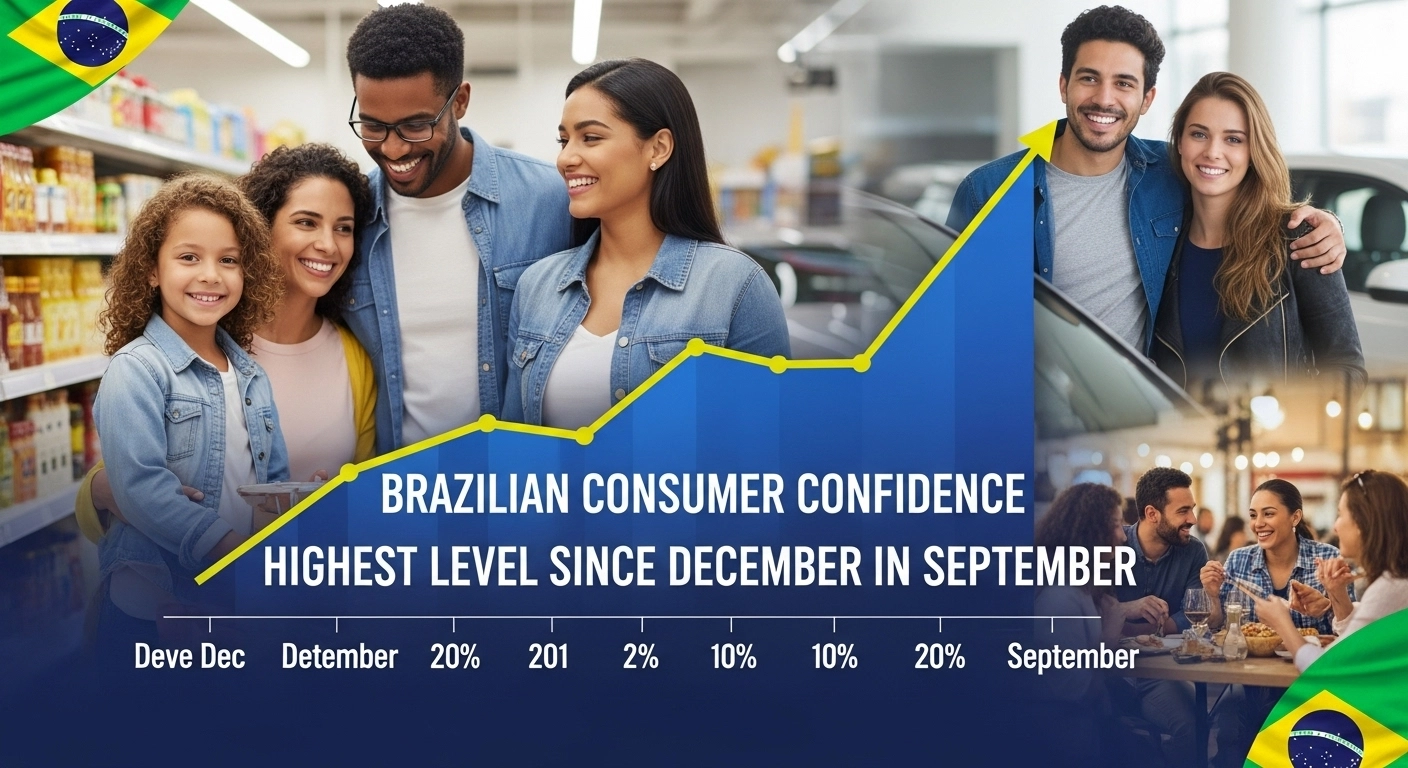
September brought good news for Brazil’s economy: the FGV Consumer Confidence Index (ICC) climbed by 1.3 points, reaching 87.5—the highest value recorded since December 2023. This advance underscores a subtle but significant shift in consumer sentiment, moving away from the uncertainty that has shadowed the nation throughout the year.
What’s Behind the Spike?
According to Anna Carolina Gouveia, an economist at FGV’s Brazilian Institute of Economics (IBRE), the improvement in confidence was almost entirely rooted in brighter expectations for the future. “The uptick in confidence was primarily driven by better outlooks, especially regarding the future economic situation, which improved across all income brackets,” Gouveia explains.
Breaking Down the Index: Contrasting Present Conditions and Future Hopes
The FGV’s Consumer Confidence Index is made up of two main components:
- Current Situation Index (ISA): A measure of how consumers perceive their present economic circumstances.
- Expectations Index (IE): A reflection of outlooks for the future.
In September:
- The ISA dipped by 2.5 points, settling at 82.0—reversing recent gains.
- Meanwhile, the IE jumped by 3.7 points to 91.8, signifying a renewed sense of optimism about what lies ahead.
So, while Brazilians may still be cautious about their current economic status, they’re feeling more hopeful than they have in months about the future.
What’s Fueling Optimism—and What’s Holding It Back?
Positive Drivers
Gouveia points to several reasons why Brazilians feel more confident about tomorrow:
- A Strong Labor Market – The latest figures from IBGE show unemployment dropped to 5.6% over the three months leading to July, the lowest rate in the data series. This bolsters household confidence and purchasing power.
- Easing Inflation – After a turbulent period, inflation pressures have diminished, bringing relief at the checkout counter and making it easier for families to plan their budgets.
Remaining Obstacles
Despite these improvements, a few substantial challenges remain:
- High Household Debt and Defaults: Many families are still facing significant debt loads and elevated default rates, making them wary of spending or making major investments.
- Restrictive Monetary Policy: Brazil’s central bank continues to maintain a high Selic interest rate of 15%. While this helps keep inflation in check, it also makes borrowing more expensive and can slow down consumer activity.
As Gouveia notes, “Sustained low unemployment and moderating inflation have made consumers less pessimistic about the future, but high household debt and default rates are still restraining a stronger and broader improvement in confidence.”
Key Takeaways: What Does This Mean for Brazil’s Economy?
If you’re tracking Brazilian economic trends, here are the most important points from the latest FGV report:
- Consumer confidence hit 87.5 in September, the highest point since December 2023.
- Optimism is being fueled by expectations for improved economic conditions, not current realities.
- The future outlook (Expectations Index) is climbing, even as present-day sentiment (Current Situation Index) falls.
- Low unemployment and easing inflation are major drivers of improved confidence.
- Persistent household debt and tight interest rates continue to hold back a full recovery in confidence.
Opportunities for Investors: Where to Look Next
With optimism rising—especially about the future—it could be an opportune time for investors to revisit promising sectors in Brazil’s stock market. If you’re interested in exploring some of the most dynamic opportunities, check out this free list of 10 small caps to invest in, featuring stocks from fast-growing industries on the B3 exchange.
Conclusion: A Delicate Balance of Hope and Caution
Brazil’s consumer confidence is on the rise, setting a positive tone for the close of 2024. While hopes are elevated by a resilient job market and easing inflation, caution persists because of high household indebtedness and ongoing strict monetary policy.
For decision-makers, businesses, and investors, these trends underscore the importance of staying nimble—watching for new opportunities while being mindful of the risks that remain. Want more insights on emerging investment options or updates on Brazil’s economic trajectory? Stay tuned as we continue to monitor these developments and share expert analysis on what’s next for Brazil and the wider global economy.

Empowering you to master your money with confidence and clarity. On this channel, we break down personal finance—from budgeting basics and saving smarter to debt-free strategies and practical investing—all in easy-to-understand language.
Expect weekly deep dives into real-life financial questions, step-by-step tutorials, and expert insights that make money topics approachable and actionable. Whether you’re building emergency savings, paying off loans, or planning for the future, you’re in the right place to get informed, empowered, and financially confident.