Why Digital Currencies Are Gaining Ground: A Look at Global Debt, Government Policies, and the Rise of Stablecoins
In today’s rapidly evolving financial landscape, traditional government-issued currencies are facing new challenges, and digital solutions are stepping in to fill critical gaps. As economic policies around the globe come under growing scrutiny, forms of digital money—especially stablecoins—are experiencing unprecedented growth. What’s behind this seismic shift, and how does it affect not only global finance but also individual investors?
In this article, we’ll break down the latest insights shared by Roberto Campos Neto, former President of Brazil’s Central Bank, at the Digital Assets Conference 2025 (DAC) in São Paulo. Explore why digital assets are capturing attention, what the trend means for big economies like the US, and how stablecoins are changing the face of government debt.
Government Currencies Under Pressure
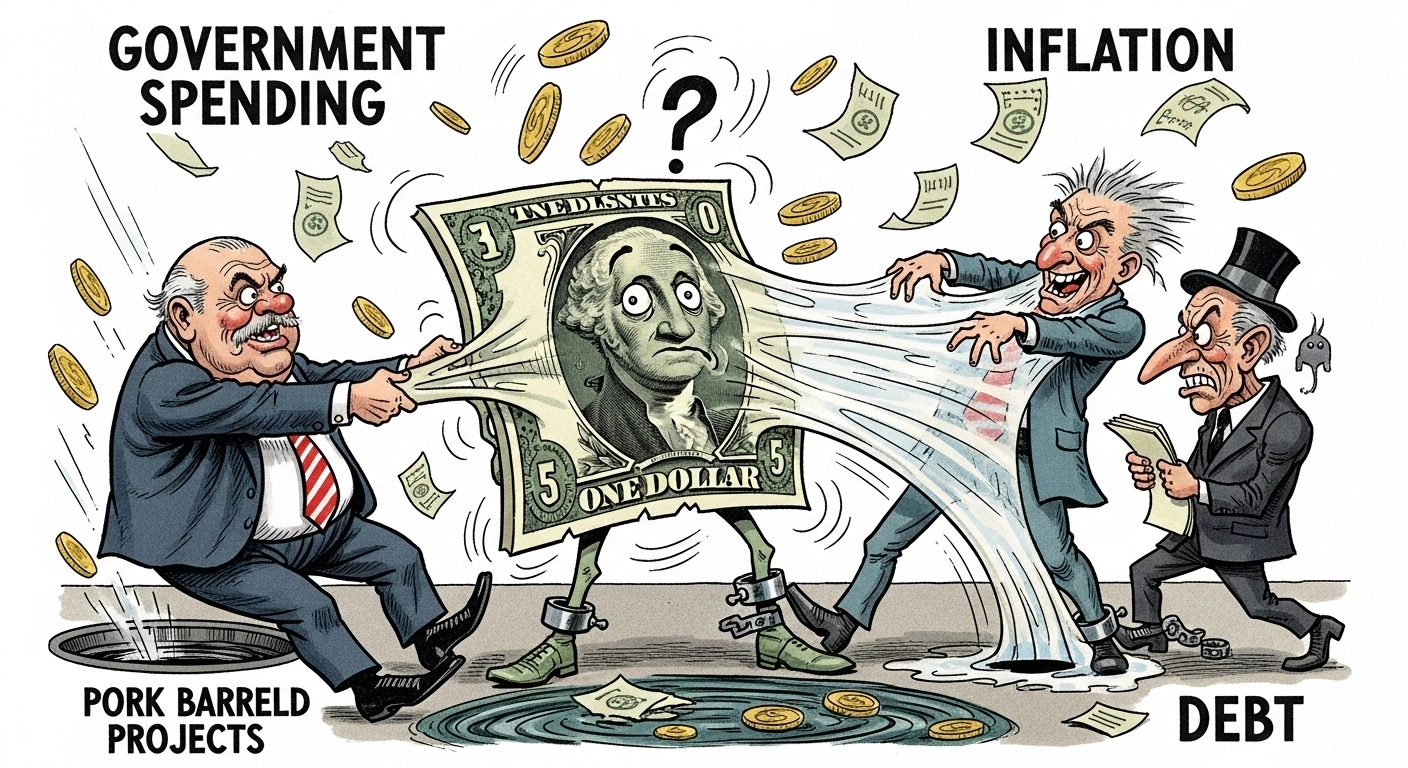
It’s no secret—governments worldwide have not managed their currencies with as much care as perhaps they should. According to Campos Neto, recent years have seen an alarming surge in government debt, coupled with a growing perception of inefficiency or inability to manage those debts effectively. In his words, “We’re seeing a very high level of debt in several places, and there’s a perception that governments lack the skills or means to make those debts converge, even in major markets like the United States.”
This mismanagement, as Campos Neto points out, creates a unique opportunity for digital alternatives. As confidence in national currencies wanes—and debt levels spike—citizens, businesses, and investors begin looking elsewhere for stability and innovation.
The Transition: From Accounts to Tokens
The Move Toward Programmable Money
Campos Neto highlighted a major shift happening in the financial sector: we’re moving from a world based on traditional bank accounts toward one dominated by tokens—the digital representations of value. These tokens, commonly seen in the form of cryptocurrencies and stablecoins, offer programmability that traditional money simply can’t match.
He explained, “We’re moving away from an account-based world and entering an era where tokens and digital assets are the focus. This is what the growing debt crisis is pointing us toward—a necessity for programmable, reliable digital money.”
Fueling Crypto Growth: Evolving Government Perceptions & Regulations
How Policy Shifts Enable Digital Innovation
Another catalyst for the rise of digital assets is shifting government attitudes. In the United States, for instance, regulatory trends have become significantly more “crypto-friendly” over the last year. The Senate’s approval of the Genis Act in July—a milestone legal framework for regulating stablecoins—demonstrates a new era of openness.
Campos Neto commented on this shift: “Traditionally, tough regulations kept banks away from digital assets. That regulatory distance dampened enthusiasm and investment in the crypto space. But now, with more supportive frameworks, especially in the US, the barriers are starting to come down.”
The United States continues to set the tone globally, and these shifts help legitimize and solidify digital asset markets not only for American investors, but around the world.
The Stablecoin Surge: A Boon for U.S. Treasury
Why Stablecoins Matter for the Government
One of the most noteworthy trends Campos Neto discussed is the rise of stablecoins—digital currencies pegged to conventional assets like the US dollar, gold, or local fiat. Today, nearly 99% of stablecoins in circulation are backed by US dollars.
Here’s where it gets really interesting: to maintain their value, stablecoin issuers must hold equivalent reserves, often in the form of U.S. Treasury bonds (treasuries) or cash. This requirement unexpectedly turns stablecoin companies into major buyers of government debt.
For example, Tether, which issues the world’s largest stablecoin (USDT), now reportedly holds $127 billion in US Treasuries—more than entire countries like Germany or South Korea.
Campos Neto summed it up: “If I were in the US Treasury, I’d be thrilled to see new demand for my securities. Stablecoin holders have quickly become some of the biggest buyers of treasuries and are growing rapidly while other investor groups remain stagnant. Soon, stablecoin companies could be the largest holders of US government debt.”
A Parallel Trend in Brazil
This isn’t just a US phenomenon. Brazil, too, is witnessing growth in stablecoins pegged to its national currency, the real. Of the five digital coins currently tied to the real—BRZ, BRLA, cREAL, BBRL, and BRL1—four hold part of their reserves in Brazilian government bonds. And, as noted in a recent Iporanga Ventures study, these stablecoins moved nearly R$5 billion last year alone.
Key Takeaways: Why Digital Currencies and Stablecoins Matter Now
Let’s break down the most important points shaping this movement:
- Increasing Government Debt: Nations, including the US, are facing rising debt with little sign of effective solutions.
- Evolving Regulatory Landscape: Recent legislative changes, such as the US Genis Act, are making it easier to innovate in digital assets.
- Shift to Programmable Digital Money: We’re transitioning from traditional accounts to tokens, making money more versatile and adaptive.
- Stablecoins Strengthen Public Finances: By demanding government-backed securities as reserves, stablecoins have become significant players in the US Treasury market.
- Global Trend, Local Impact: The embrace of digital assets is not just an American story—countries like Brazil are also joining the wave.
The Big Picture: What Does the Future Hold?
As more governments grapple with debt and slow-to-adapt monetary policies, the rise of digital assets and stablecoins looks set to continue. Whether you’re an investor, policymaker, or simply curious about what comes next, understanding these trends is essential.
If you want to dive deeper into the regulatory context or explore stablecoin investing opportunities, check out the official sites and news updates linked throughout this article for expert insights.
Curious about how digital assets could fit into your portfolio or business model? Now’s the time to future-proof your approach and stay ahead of the financial innovation curve.

Empowering you to master your money with confidence and clarity. On this channel, we break down personal finance—from budgeting basics and saving smarter to debt-free strategies and practical investing—all in easy-to-understand language.
Expect weekly deep dives into real-life financial questions, step-by-step tutorials, and expert insights that make money topics approachable and actionable. Whether you’re building emergency savings, paying off loans, or planning for the future, you’re in the right place to get informed, empowered, and financially confident.