
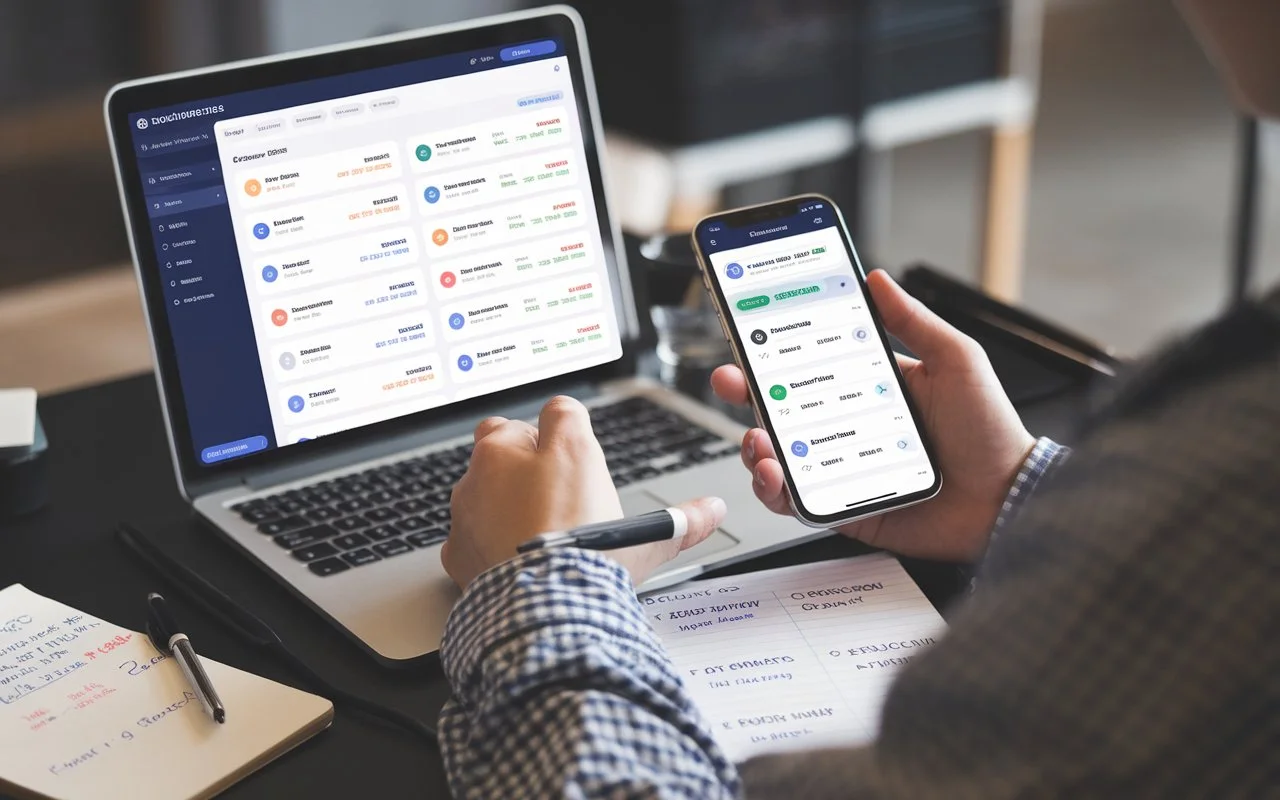
This comprehensive guide is designed to cut through the confusion and provide you with a clear, step-by-step roadmap on how to buy cryptocurrencies in Canada. Whether you’re a complete beginner or an experienced investor seeking to optimize your strategy, we’ll cover everything you need to know, from the best platforms and funding methods to crucial security tips and tax implications. By the end of this article, you’ll have the knowledge and confidence to make your first crypto purchase.

How to Buy Cryptocurrencies in Canada
Are you a Canadian looking to enter the world of cryptocurrency but feel overwhelmed by the options and jargon? You’re not alone. The digital asset space, led by Bitcoin and Ethereum, has captured the attention of investors worldwide. However, navigating the landscape—from choosing the right platform to understanding security and taxes—can be daunting, especially with Canada’s unique regulations and platforms.
Is Buying Cryptocurrency Legal in Canada?
First and foremost, let’s address the most common question: Is buying and selling cryptocurrency legal in Canada? Yes, it is. The Government of Canada and its financial regulators, like the Canadian Securities Administrators (CSA) and the Investment Industry Regulatory Organization of Canada (IIROC), have established a regulatory framework for crypto trading.
Most reputable cryptocurrency exchanges operating in Canada are registered as Money Service Businesses (MSBs) with the Financial Transactions and Reports Analysis Centre of Canada (FINTRAC). This regulatory oversight provides a level of legitimacy and consumer protection, making the process safer for Canadians.
The Essential Steps to Buying Crypto in Canada
Purchasing your first crypto can be a straightforward process if you follow a few key steps. Here’s a simple, numbered guide to get you started.
- Choose a Reputable Crypto Exchange: This is the most crucial step. A crypto exchange acts as your gateway to the market, allowing you to convert Canadian dollars (CAD) into cryptocurrencies. We will delve into a detailed comparison of the best options for Canadians shortly.
- Create and Verify Your Account: Once you’ve chosen an exchange, you’ll need to sign up. This typically involves providing your email address, creating a password, and then undergoing a Know Your Customer (KYC) verification process. This step is a legal requirement to combat money laundering and involves submitting personal information like your full name, date of birth, and a photo of a government-issued ID (e.g., driver’s license or passport).
- Fund Your Account with CAD: After your account is verified, you need to deposit funds. The most common and convenient method for Canadians is Interac e-Transfer. Other options may include wire transfers or direct debit from your bank account.
- Place Your Buy Order: With funds in your account, you can now purchase cryptocurrency. Navigate to the trading section of the exchange, search for the coin you want to buy (e.g., Bitcoin – BTC), and place an order. Most platforms offer a simple “buy” button for market orders, which execute at the current market price.
- Secure Your Cryptocurrency: This is a vital but often overlooked step. Leaving your crypto on an exchange for long periods carries security risks. For serious investors, it’s highly recommended to transfer your assets to a personal crypto wallet that you control.
Choosing the Right Crypto Exchange for Canadians
Your choice of exchange can significantly impact your experience. Key factors to consider include trading fees, security features, ease of use, and the variety of cryptocurrencies offered. Here’s a look at some of the top-rated platforms for Canadians.
Wealthsimple Crypto
Best for Beginners and Casual Investors
As a well-known Canadian financial services company, Wealthsimple provides an incredibly user-friendly platform. It’s an excellent entry point for new investors, as its interface is simple and intuitive. You can seamlessly switch between trading stocks and crypto within the same app.
- Pros: Very easy to use, integrates with other Wealthsimple products, simple flat-fee structure, strong brand reputation in Canada.
- Cons: Higher fees (1.5-2% spread per transaction), limited selection of cryptocurrencies, no advanced trading features.
Newton
Best for Low-Cost Trading
Newton has positioned itself as one of the most cost-effective platforms for Canadians. It proudly advertises “no trading fees,” though it’s important to note that a small spread is built into the buy and sell prices. Newton supports a wide range of popular cryptocurrencies and is known for its quick and reliable funding methods.
- Pros: Very competitive pricing (low spreads), fast Interac e-Transfer funding, supports a good number of altcoins, zero fees on withdrawals (they cover network fees up to a certain amount).
- Cons: Spreads can fluctuate, the platform may not be as feature-rich as international competitors.
CoinSmart
Best for a Balance of Features and Simplicity
CoinSmart is a Canadian-based exchange that aims to make crypto accessible while still offering more features than basic platforms. It’s a great middle-ground for those who want a bit more control and a wider range of coins without feeling overwhelmed. CoinSmart is also a publicly traded company on the NEO Exchange, which may provide an extra layer of trust for some investors.
- Pros: SmartGuarantee ensures all verified orders are processed instantly, fast verifications, supports a decent variety of coins, competitive fees.
- Cons: Can be more expensive than Newton on some trades, some users report a slightly less intuitive interface compared to Wealthsimple.
Kraken
Best for Advanced Traders
Kraken is a global powerhouse in the crypto space, known for its robust security and wide range of advanced trading tools. While it might be intimidating for a brand-new investor, it’s a fantastic choice for those who want to take their trading seriously. Kraken offers high liquidity, advanced order types, and a massive selection of cryptocurrencies.
- Pros: Top-tier security, very low trading fees (especially for high-volume traders), advanced features like futures trading and margin trading, supports a huge number of coins.
- Cons: The user interface can be complex for beginners, requires a bit more technical knowledge, not a Canadian-native platform.
Exchange Comparison Table
| Exchange | Best For | Trading Fees | Available Coins | Deposit Methods | Security |
| Wealthsimple | Beginners | 1.5-2.0% spread | 50+ | Interac e-Transfer, bank account, wire transfer | FINTRAC registered, cold storage for 95% of assets |
| Newton | Low-Cost Trading | 0.5-0.7% spread (approx.) | 70+ | Interac e-Transfer, wire transfer | FINTRAC registered, multi-factor authentication |
| CoinSmart | Intermediate Users | 0.20-0.40% spread per transaction (approx.) | 20+ | Interac e-Transfer, bank wire, bank draft, crypto | FINTRAC registered, insured cold storage |
| Kraken | Advanced Traders | 0.16% maker / 0.26% taker | 200+ | Interac e-Transfer, wire transfer, crypto | Global leader, multi-layer security, cold storage |
Exportar para as Planilhas
Note: Fees are subject to change and may vary based on market conditions and deposit methods. Always check the exchange’s official website for the most current information.
How to Fund Your Canadian Crypto Account
Once you’ve chosen an exchange, the next step is to get your Canadian dollars onto the platform. The two most common methods are:
- Interac e-Transfer: This is the fastest and most popular method for Canadians. Funds typically arrive in your exchange account within minutes to a few hours. Most exchanges charge no fees for Interac e-Transfer deposits.
- Wire Transfer: For larger sums of money, a wire transfer is a secure option. While it may take 1-3 business days for funds to clear, it often has higher deposit limits than e-Transfer. Some exchanges may charge a fee for wire transfers.
- Debit/Credit Card: Some platforms allow you to purchase crypto directly with a debit or credit card. However, this method often comes with a higher fee and is generally not recommended unless you need to make a quick, small purchase and are willing to pay a premium.
Securing Your Investment: Why a Crypto Wallet is Crucial
Think of a crypto exchange as a bank. While it’s convenient to leave your funds there, it’s not the safest place for long-term storage, especially with the history of exchange hacks and bankruptcies. The golden rule in crypto is: “Not your keys, not your coins.” This means if you don’t control the private keys to your wallet, you don’t truly own the crypto.
A personal crypto wallet gives you full control and ownership of your assets. There are two main types:
Hot Wallets (Software Wallets)
These wallets are connected to the internet. They can be mobile apps, desktop applications, or browser extensions. They are convenient for frequent trading or smaller amounts of crypto.
- Pros: Easy to use, convenient for quick transactions, often free.
- Cons: More vulnerable to online threats like hacks and malware.
Cold Wallets (Hardware Wallets)
These are physical devices that store your private keys offline, completely disconnected from the internet. They are considered the safest way to store large amounts of cryptocurrency.
- Pros: Extremely secure, immune to online hacks, provides peace of mind for long-term holders.
- Cons: Cost money to purchase, less convenient for frequent, small transactions.
For anyone serious about long-term investing, a hardware wallet like a Ledger or Trezor is a worthwhile investment. Once you purchase crypto on an exchange, you can simply transfer it to your hardware wallet for safekeeping. [internal link to ‘crypto wallets explained’].
A Note on Canadian Crypto Taxes
Understanding your tax obligations is a critical part of being a responsible crypto investor in Canada. The Canada Revenue Agency (CRA) views cryptocurrency as a commodity, not a currency. This means that any profit you make from selling, using, or trading crypto is generally subject to capital gains tax.
- Capital Gains: When you sell your crypto for a profit, 50% of that gain is taxable as income. For example, if you bought Bitcoin for $1,000 and sold it for $3,000, your capital gain is $2,000. Half of that ($1,000) would be added to your income for the year and taxed at your marginal tax rate.
- Business Income: If you are considered a “crypto trader” (e.g., you buy and sell crypto frequently for a living), your profits may be treated as 100% taxable business income.
- Record Keeping: The onus is on you to track all your crypto transactions. It’s essential to keep detailed records of your cost basis (the price at which you bought the crypto in CAD) and your selling price. Tools like crypto tax software can automate this process and generate the necessary reports for tax season. [external link to ‘CRA crypto guide’].
Disclaimer: This is not financial or tax advice. Consult with a qualified tax professional to understand your specific obligations.
Advanced Tips for Canadian Crypto Investors
Once you have the basics down, consider these strategies to build a more robust investment portfolio:
- Dollar-Cost Averaging (DCA): Instead of buying a large amount of crypto at once, invest a fixed amount of money at regular intervals (e.g., every week or month). This helps to smooth out the volatility of the market and reduces the risk of buying in at the price peak.
- Diversify Your Portfolio: While Bitcoin and Ethereum are the undisputed leaders, don’t put all your eggs in one basket. Consider exploring other promising altcoins to diversify your holdings.
- Stay Informed: The crypto space moves at a lightning-fast pace. Follow reputable news sources, stay up-to-date on market trends, and be aware of new regulations.
Frequently Asked Questions (FAQ)
Is it safe to buy crypto in Canada?
Yes, it is generally safe, provided you use a reputable, regulated exchange and follow best security practices, such as using strong passwords, enabling two-factor authentication, and moving your assets to a personal wallet for long-term storage.
What is the best crypto to buy for a beginner?
For beginners, Bitcoin (BTC) and Ethereum (ETH) are the most recommended. They are the largest and most established cryptocurrencies, with the longest track records and highest liquidity. They are generally considered less volatile than smaller “altcoins.”
Can I use my bank account to buy crypto?
Yes, most Canadian crypto exchanges support Interac e-Transfer or direct bank transfers, which link directly to your Canadian bank account. This is the most common way to fund your account with Canadian dollars.
How are crypto gains taxed in Canada?
In Canada, profits from crypto are typically treated as capital gains. This means 50% of your profit is added to your income and taxed at your marginal tax rate. It’s crucial to track all your transactions and consult with a tax professional.
How do I store my crypto after I buy it?
After buying crypto on an exchange, you can leave it on the exchange’s wallet (a hot wallet) for easy access, but for larger amounts or long-term storage, it’s safer to transfer it to a personal hardware wallet (a cold wallet) that you control.
Conclusion: Your Crypto Journey Starts Here
Buying cryptocurrency in Canada has never been easier or safer. With a clear understanding of the process, from selecting the right exchange to securing your assets and managing your tax obligations, you can confidently take your first step into the world of digital finance.
By choosing a reputable platform like Wealthsimple, Newton, or CoinSmart, you’ll have access to a secure and user-friendly gateway to the crypto market. Remember to always prioritize security by using a personal wallet for long-term holdings and to keep meticulous records for tax purposes. The future of finance is here, and with this guide, you are well-equipped to be a part of it.

Empowering you to master your money with confidence and clarity. On this channel, we break down personal finance—from budgeting basics and saving smarter to debt-free strategies and practical investing—all in easy-to-understand language.
Expect weekly deep dives into real-life financial questions, step-by-step tutorials, and expert insights that make money topics approachable and actionable. Whether you’re building emergency savings, paying off loans, or planning for the future, you’re in the right place to get informed, empowered, and financially confident.